Your roof is one of the most critical components of your property, yet it’s often one of the most overlooked—until problems arise. Exposure to sun, rain, wind, and temperature fluctuations gradually wears down even the most durable roofing systems. Over time, this leads to cracks, leaks, and costly repairs.
One of the most effective ways to protect and extend the life of your roof is through the use of protective coatings. These systems are designed not only to seal and safeguard surfaces but also to improve energy efficiency and reduce long-term maintenance costs.
In this article, we’ll break down how roof coatings work, why they matter, and how they can be a smart investment for property owners looking to maximize durability and performance.
What Are Roof Coatings?
Roof coatings are fluid-applied membranes that are installed directly over an existing roofing system. Once applied, they cure into a seamless, waterproof layer that helps protect the roof from environmental damage.
Unlike a full roof replacement, coatings are designed to restore and reinforce your current system, making them a cost-effective alternative when the underlying structure is still sound.
Common Types of Roof Coatings
-
Acrylic coatings: Known for UV resistance and affordability
-
Silicone coatings: Excellent for waterproofing and ponding water resistance
-
Polyurethane coatings: Durable and impact-resistant
-
Elastomeric coatings: Flexible and ideal for temperature fluctuations
Each type has its own strengths, and the right choice depends on your roof’s condition, slope, and exposure to the elements.
Why Roof Coatings Are Gaining Popularity
Property owners are increasingly turning to coatings as a practical way to enhance roof performance without the disruption of a full replacement. This approach offers several advantages that go beyond basic protection.
Key Benefits
-
Extended roof lifespan: Coatings can add years of service to an aging roof
-
Improved waterproofing: Seamless application reduces leak risk
-
Energy efficiency: Reflective coatings help reduce heat absorption
-
Lower maintenance costs: Fewer repairs over time
-
Minimal disruption: Faster and less invasive than replacement
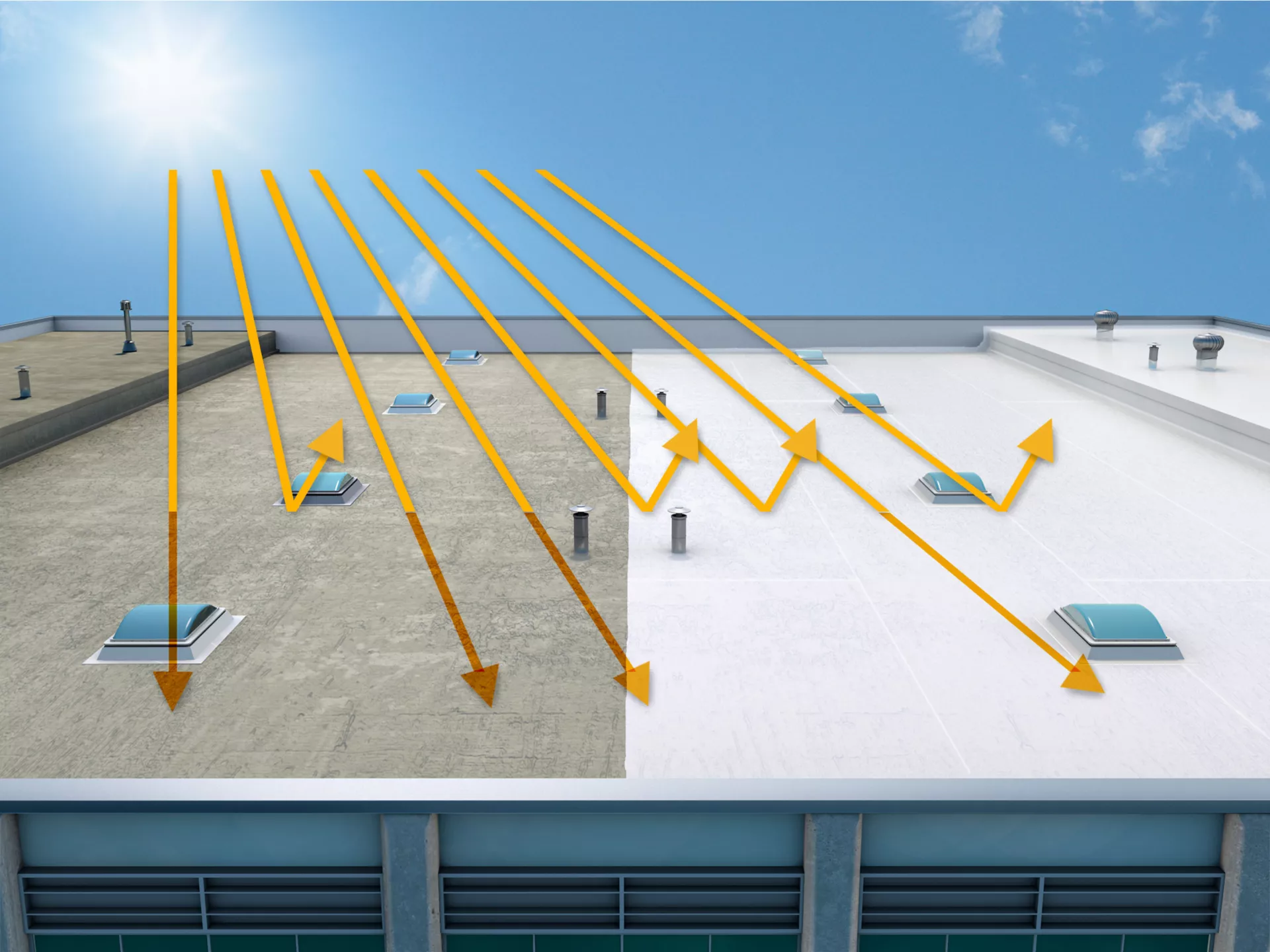
In climates with strong sun exposure, coatings can significantly reduce surface temperatures, helping lower cooling costs and improve indoor comfort.
When Is a Roof Coating the Right Choice?
Not every roof is a candidate for coatings, but many are—especially if the structure is still in relatively good condition.
Ideal Situations for Roof Coatings
-
The roof is aging but not structurally compromised
-
Minor leaks or wear are present
-
The surface shows UV damage or small cracks
-
You want to improve energy efficiency without replacing the roof
However, if there is extensive water damage, saturated insulation, or structural failure, a full replacement may be necessary before considering coatings.
The Importance of Proper Surface Preparation
A successful coating system depends heavily on preparation. Simply applying a coating over an unclean or damaged surface can lead to premature failure.
Preparation Steps Typically Include
-
Thorough cleaning to remove dirt, debris, and contaminants
-
Repairing cracks, seams, and damaged areas
-
Ensuring proper drainage to prevent ponding water
-
Applying primers if required for adhesion
Skipping these steps can compromise the entire system, which is why professional application is essential.
Energy Efficiency and Cost Savings
One of the standout advantages of roof coatings is their ability to reflect sunlight. Reflective or “cool roof” coatings reduce the amount of heat absorbed by the building, which can have a noticeable impact on indoor temperatures.
How This Translates to Savings
-
Reduced reliance on air conditioning
-
Lower energy bills during hot seasons
-
Less thermal expansion and contraction, reducing wear
Over time, these benefits can offset the initial investment in the coating system, making it both a practical and economical solution.
Maintenance After Application
Even though coatings reduce maintenance needs, they are not entirely maintenance-free. Regular inspections help ensure the system continues to perform as intended.
Recommended Maintenance Practices
-
Inspect the roof annually and after major storms
-
Keep drains and gutters clear
-
Address minor damage promptly
-
Recoat as needed based on manufacturer guidelines
A well-maintained coating system can significantly outlast an untreated roof.
Choosing the Right Professionals
The effectiveness of a roof coating depends not only on the materials used but also on the quality of installation. Working with experienced professionals ensures proper assessment, preparation, and application.
If you’re exploring options and want to better understand how coating systems are applied in real-world scenarios, reviewing services like roof coatings Los Angeles can provide helpful context on professional approaches to roof restoration and protection.
Roof Coatings vs. Roof Replacement
Many property owners struggle with deciding between coating and replacement. While both have their place, coatings offer a compelling alternative when conditions allow.
Quick Comparison
Roof Coatings
-
Lower upfront cost
-
Faster installation
-
Extends existing roof life
-
Less disruptive
Roof Replacement
-
Necessary for severe damage
-
Higher cost
-
Longer timeline
-
Complete system overhaul
Understanding your roof’s current condition is key to making the right decision.
Final Thoughts
Roof coatings represent a smart, forward-thinking solution for property owners who want to protect their investment without committing to a full replacement. By enhancing durability, improving energy efficiency, and reducing long-term maintenance costs, coatings offer both immediate and lasting benefits.
With proper evaluation, professional installation, and routine maintenance, a coated roof can perform reliably for years while helping you avoid the expense and disruption of premature replacement.