Cooling requirements in marine vessels, offshore facilities, and compact technical spaces differ significantly from those of standard residential environments. Limited space, continuous operation, vibration, and dependence on generator-based power systems all influence how air-conditioning equipment performs. In these conditions, selecting the right system is critical for maintaining comfort, equipment reliability, and operational efficiency.
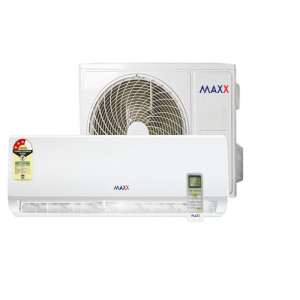
A wall-mounted AC 60 Hz is commonly chosen in such environments because it is designed to operate efficiently on marine-standard power systems while delivering consistent cooling in confined spaces. This article explains how wall-mounted 60 Hz air conditioners work, where they are typically used, and why they are well-suited for marine and offshore applications.
Understanding the Importance of 60 Hz Power in Marine Environments
Electrical frequency plays a key role in the performance of air-conditioning systems. Many marine vessels and offshore installations rely on onboard generators that supply 60 Hz power. Equipment designed for this frequency operates at the correct motor speed and load, ensuring stable performance.
Using air conditioners that are not frequency-matched can lead to:
- Increased motor stress
- Unstable cooling output
- Higher energy consumption
- Reduced equipment lifespan
A wall-mounted AC 60 Hz is engineered specifically to avoid these issues by aligning with marine electrical standards.
Why Wall-Mounted Systems Are Preferred in Marine Installations
Wall-mounted air conditioners are widely used in marine and offshore environments because of their compact design and efficient airflow distribution. Installed above floor level, they help maximize usable space while maintaining effective cooling.
Common applications include:
- Crew cabins and accommodation areas
- Control rooms and navigation spaces
- Offshore living quarters
- Technical and utility rooms
In these areas, floor space is limited, and reliable cooling is essential for comfort and safety.
Key Advantages of Wall-Mounted AC 60 Hz
Space-Efficient Design
Wall-mounted systems free up floor area, making them ideal for confined spaces commonly found onboard vessels and offshore structures.
Electrical Compatibility
Operating at 60 Hz ensures smooth integration with marine generator systems, reducing electrical strain and improving system stability.
Consistent Cooling Performance
Designed for continuous operation, these units deliver reliable cooling even in high-load conditions.
Simplified Maintenance
Accessible filters and components allow routine servicing to be carried out efficiently, helping reduce downtime.
Wall-Mounted AC 60 Hz vs Wall-Mounted AC 110V
Both configurations are used in marine and compact installations, but they serve slightly different requirements.
A Wall Mounted AC 110V focuses on voltage compatibility, while a Wall Mounted AC 60 Hz ensures frequency alignment with marine power systems. In many offshore applications, both voltage and frequency must match onboard specifications to achieve optimal performance.
Understanding the available power supply helps operators select the right configuration for stable and efficient cooling.
Role of Marine Packaged AC Systems
In some marine applications, cooling is provided through marine packaged AC solutions, where multiple components are integrated into a single system. Wall-mounted units are often used alongside or within these systems to provide localized temperature control.
This approach allows:
- Flexible cooling layouts
- Improved airflow management
- Efficient use of available space
Wall-mounted systems complement marine packaged solutions by addressing cooling needs in individual cabins or rooms.
Installation Considerations in Marine and Offshore Spaces
Proper installation is critical for performance and safety. When installing a wall-mounted AC 60 Hz, planners typically consider:
- Airflow direction and distribution
- Structural support and vibration isolation
- Safe routing of electrical and refrigerant lines
- Accessibility for maintenance
Good planning ensures efficient cooling and reduces long-term maintenance challenges.
Durability in Harsh Marine Conditions
Marine air-conditioning equipment must withstand humidity, salt exposure, and temperature variations. Wall-mounted units intended for marine use are generally constructed with:
- Corrosion-resistant materials
- Sealed electrical components
- Reinforced housings
These features help maintain performance and reliability over extended service periods.
Maintenance Practices for Reliable Operation
Regular maintenance supports long-term system efficiency. Best practices include:
- Cleaning or replacing air filters
- Inspecting electrical connections
- Monitoring cooling performance
- Checking for unusual noise or vibration
Selecting the Right Equipment for Marine Applications
When choosing a wall-mounted AC 60 Hz, operators focus on:
- Electrical compatibility
- Cooling capacity requirements
- Space availability
- Durability and serviceability
Experienced marine air conditioning company teams often assist in matching systems to specific vessel or facility needs, ensuring reliable performance.
Conclusion
A wall-mounted AC 60 Hz is well-suited for marine and offshore installations where space efficiency, electrical compatibility, and reliable cooling are essential. Its ability to integrate with marine power systems, operate continuously, and fit within compact layouts makes it a practical solution for demanding environments.
By understanding power requirements, installation considerations, and maintenance needs, operators can make informed decisions that support long-term comfort and operational stability. For those seeking marine-grade air-conditioning solutions developed for real-world offshore conditions, Teko Marine provides access to equipment designed to perform reliably in marine and commercial environments.