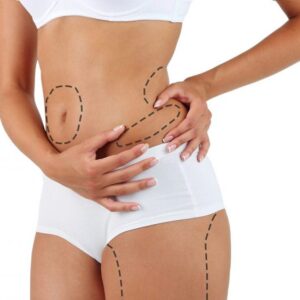
Buttock augmentation, also known as gluteal enhancement, is a cosmetic procedure designed to improve the size, shape, and projection of the buttocks. Techniques include silicone implants and fat transfer (Brazilian Butt Lift), and Buttock Augmentation in Abu Dhabi is increasingly popular for enhancing body contours. While many patients achieve satisfying results, it is important to understand the potential risks associated with the surgery. Being informed helps individuals make careful decisions and follow proper post-operative care.
Surgical Risks
Like any surgical procedure, buttock augmentation carries inherent risks that arise from anesthesia, incisions, and tissue manipulation.
Infection
Any procedure that involves incisions or fat transfer introduces a risk of infection. Following post-operative care instructions, maintaining hygiene, and monitoring for redness, swelling, or unusual discharge helps minimize this risk.
Bleeding or Hematoma
Bleeding beneath the skin may occur after surgery, leading to swelling, bruising, or the formation of a hematoma. Proper surgical technique and post-operative care reduce the likelihood of this complication.
Asymmetry
Uneven contours can occur if fat grafting survives unevenly or if implants shift slightly during the healing process. Surgeons plan augmentation carefully to maintain symmetry, but minor adjustments may be needed after healing.
Scarring
Incisions for implants or fat extraction create scars. Skilled surgical techniques aim to minimize visibility, and scars typically fade over time. Scarring is generally subtle but varies depending on individual healing and skin type.

Technique-Specific Risks
Each augmentation method carries its own set of considerations:
Silicone Implants
-
Implant Shifting or Rotation: Implants may move slightly within the pocket created during surgery, potentially affecting contour.
-
Capsular Contracture: The body naturally forms a capsule around implants; in some cases, this tissue tightens, altering shape or firmness.
-
Rippling or Firmness: Implant edges may be detectable in very lean individuals, affecting aesthetics.
Fat Transfer
-
Fat Absorption: Some of the transferred fat is naturally reabsorbed by the body, potentially reducing volume.
-
Fat Necrosis: Occasionally, fat cells may fail to survive and form small firm areas in the buttocks.
-
Contour Irregularities: Uneven survival of fat can lead to minor asymmetry or irregularities in smoothness.
General Recovery Risks
During the recovery period, certain factors can influence healing and outcomes:
Pressure-Related Issues
Sitting or lying directly on the augmented area too soon can affect healing, reduce fat survival in transfer procedures, or shift implants. Temporary positioning adjustments are recommended to avoid these complications.
Swelling and Bruising
Swelling is normal after surgery, but excessive swelling can prolong discomfort and affect contour temporarily.
Sensory Changes
Temporary numbness, tingling, or altered sensation in the buttocks or donor areas is common, particularly with fat transfer. These sensations generally resolve as nerves recover.
Deep Tissue Considerations
The gluteal region contains muscles, nerves, and blood vessels. Proper surgical technique avoids significant interference with function, but minor temporary discomfort or limited mobility may occur.
Factors That Increase Risk
Certain personal or lifestyle factors may increase the likelihood of complications:
-
Smoking: Impairs circulation and healing.
-
Poor Nutrition: Slows tissue recovery and affects overall healing.
-
Significant Weight Fluctuations: Can alter contour and long-term results.
-
Medical Conditions: Conditions affecting blood clotting, immunity, or tissue repair can increase surgical risk.
Risk Reduction Strategies
Patients can minimize risks by taking proactive measures:
-
Choosing Experienced Surgeons: Expertise in gluteal augmentation reduces surgical and post-operative complications.
-
Pre-Operative Planning: Thorough assessment of anatomy, fat availability, and desired outcomes ensures a customized approach.
-
Post-Operative Care: Following instructions on positioning, compression garments, activity limitations, and hygiene supports safe recovery.
-
Lifestyle Optimization: Maintaining good health, proper nutrition, and avoiding smoking before and after surgery improves outcomes.
Frequently Asked Questions (FAQs)
Is buttock augmentation risky?
All surgery carries some level of risk. Buttock augmentation is generally safe when performed by experienced surgeons and with proper care, but patients should understand the potential complications.
Can implants move after surgery?
Yes, implants may shift slightly, particularly if post-operative guidelines are not followed. Proper pocket creation and adherence to recovery instructions reduce this risk.
Does fat transfer always survive?
Not all transferred fat survives. Typically, 60–80% of fat integrates long-term, and additional sessions may be needed for desired volume.
Can I prevent infection?
Following hygiene instructions, keeping incisions clean, and monitoring for signs of infection help minimize the risk. Early intervention is key if infection occurs.
Are scars noticeable?
Scars are generally subtle and fade over time. Skilled surgical techniques and proper care minimize visibility.
Does recovery affect risks?
Yes. Ignoring post-operative instructions, sitting too soon on augmented areas, or resuming strenuous activity early can increase complications.
Are there long-term risks?
Long-term risks are rare but can include minor asymmetry, fat resorption, or implant-related changes. Regular follow-up helps identify and manage any concerns early.
Conclusion
Buttock augmentation offers significant aesthetic benefits and improved body contours, but it is not without potential risks. Surgical complications, technique-specific considerations, and recovery-related factors can influence outcomes. Being aware of these risks allows patients to make informed decisions, choose experienced surgeons, and follow post-operative care diligently.
By understanding the procedure, anticipating possible challenges, and committing to proper care and lifestyle practices, individuals can minimize risks while enjoying the aesthetic and confidence-boosting results of buttock augmentation.