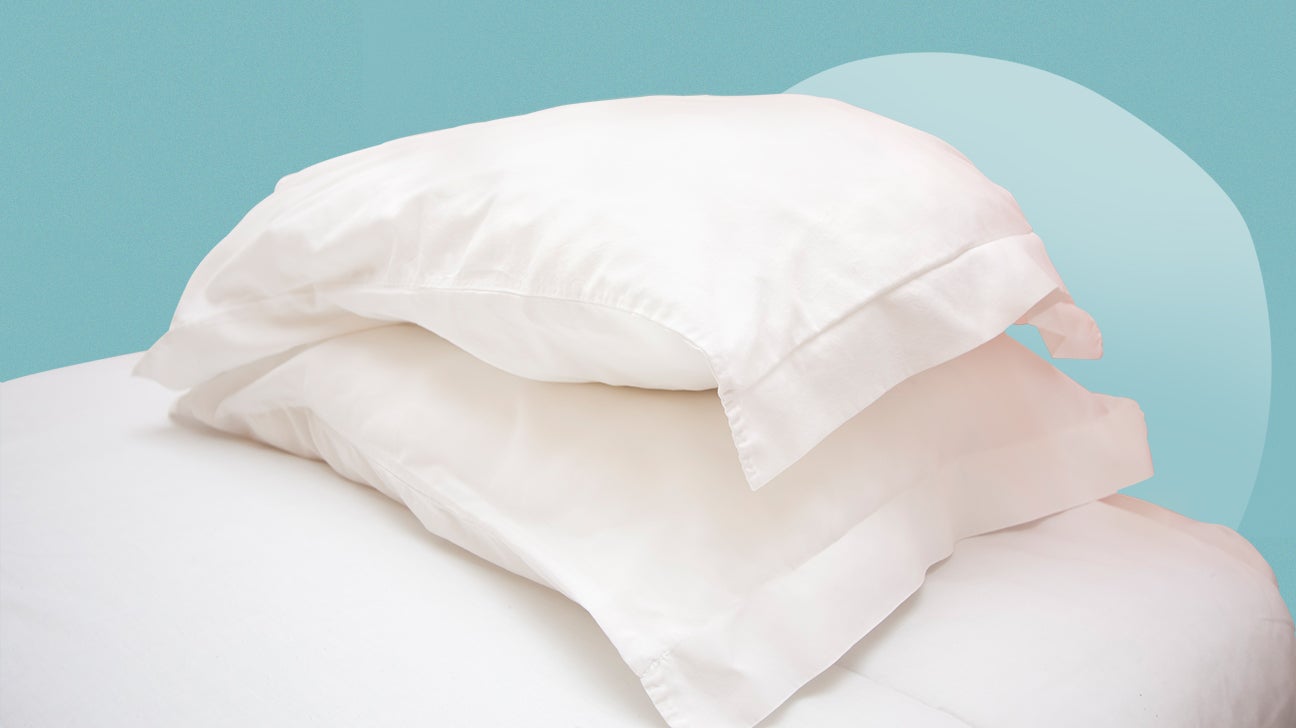
Selecting the right materials for hospital pillowcases is essential for hygiene, patient comfort, and operational efficiency. Pillowcases for Hospitality Use must endure repeated washing, maintain softness, and resist allergens or microbes. Hospitals need fabrics that combine durability with breathability to support patient recovery and staff efficiency. Material choice directly influences infection control, patient satisfaction, and cost management. Evaluating fabric properties helps healthcare facilities provide safe, comfortable bedding that meets strict hygiene standards while withstanding daily use in a demanding environment.
Hospital Needs
Hospital pillowcases face higher demands than residential bedding. Frequent laundering, strict infection control, and patient comfort are primary considerations. Pillowcases must be soft, breathable, and hypoallergenic to prevent skin irritation and allergic reactions. Staff also require fabrics that retain shape and resist shrinkage or pilling during high-temperature washes. Selecting materials that meet these standards ensures patient safety and comfort. Durable fabrics reduce replacement costs and support efficient hospital operations, providing a reliable solution for bedding that maintains quality through constant use.
2Essential Material Properties for Hospital Pillowcases
Ideal hospital pillowcases combine softness, breathability, durability, and resistance to frequent laundering. Soft fabrics prevent skin irritation and promote restful sleep. Breathable materials regulate moisture and temperature for patient comfort. Fabrics must withstand repeated washing without shrinking, fading, or losing texture. Hypoallergenic and antimicrobial properties further protect patients from allergens and infections. Choosing materials with these qualities ensures bedding longevity, supports hygiene protocols, and delivers a consistent, comfortable patient experience. This balance between durability and comfort is key for effective hospital operations.
3. Common Materials Used in Hospital Pillowcases
Several fabrics dominate hospital pillowcase selection due to their balance of comfort and durability. Cotton offers natural softness and breathability, ideal for patient skin sensitivity. Polyester is strong, wrinkle-resistant, and maintains its shape through frequent laundering. Cotton-poly blends combine cotton’s comfort with polyester’s resilience, creating long-lasting bedding. Microfiber is smooth, lightweight, and dries quickly, simplifying hospital laundry operations. Bamboo fabrics are naturally hypoallergenic and antimicrobial, enhancing hygiene. Understanding these materials allows hospitals to choose pillowcases that meet hygiene, comfort, and operational efficiency requirements.
4. Advantages of Cotton Pillowcases
Cotton pillowcases are preferred for their natural softness and breathability. The fabric allows air circulation, regulating patient body temperature during rest. Hypoallergenic properties reduce irritation for sensitive skin, promoting comfort. Cotton also tolerates high-temperature laundering, essential for sterilization protocols. While prone to slight shrinkage, its absorbency and durability make it suitable for daily hospital use. Cotton pillowcases provide a balance of comfort and practicality, enhancing patient experience while maintaining hygiene. Hospitals can rely on cotton for standard patient care and units with high sensitivity requirements.
5. Benefits of Polyester and Blended Fabrics
Polyester pillowcases offer superior durability, wrinkle resistance, and easy maintenance. Cotton-polyester blends combine polyester’s strength with cotton’s softness, providing a practical option for hospitals. These fabrics resist fading, shrinkage, and pilling during repeated laundering. They remain comfortable for patients while supporting staff efficiency by reducing replacement frequency. Blended fabrics are cost-effective for bulk use, maintaining appearance and hygiene standards. Hospitals with high laundry turnover benefit from these materials, as they sustain comfort, cleanliness, and durability without compromising patient care or operational workflow.
6. Specialty Materials for Hospitals
Specialty fabrics such as microfiber, bamboo, and antimicrobial textiles add advanced benefits for hospital bedding. Microfiber is lightweight, smooth, and dries quickly, facilitating rapid linen turnaround. Bamboo fibers are naturally antimicrobial, hypoallergenic, and moisture-wicking, supporting patient hygiene. Antimicrobial fabrics inhibit bacterial growth, enhancing infection control measures. These materials are especially useful in intensive care units or areas with immunocompromised patients. Incorporating specialty fabrics allows hospitals to maintain strict hygiene standards while offering high-quality, comfortable bedding that supports patient recovery and reduces potential cross-contamination risks.
7. Key Features to Consider When Choosing Hospital Pillowcases
-
Softness for patient comfort
-
Durability under repeated washing
-
Hypoallergenic properties
-
Breathability for temperature control
-
Antimicrobial resistance
-
Cost-effectiveness for bulk purchase
Prioritizing these features ensures pillowcases meet operational and clinical requirements. Hospitals benefit from fabrics that support hygiene standards while improving patient satisfaction. Selecting pillowcases with these qualities balances comfort, safety, and practicality, creating a reliable bedding solution suitable for diverse hospital departments.
8. Maintenance and Longevity of Hospital Pillowcases
Material choice determines the maintenance ease and lifespan of hospital pillowcases. Durable fabrics resist wear, tear, and color fading even with frequent high-temperature laundering. Quick-drying materials improve linen turnover and reduce operational delays. Resistance to shrinking and fraying ensures pillowcases remain functional and presentable. Proper maintenance of suitable fabrics extends their usability, saving hospitals replacement costs. Evaluating longevity and cleaning requirements helps staff maintain hygiene standards efficiently, while providing patients with consistently clean and comfortable bedding throughout their stay.
9. How Material Choice Impacts Patient Experience
Patient comfort and perception of care quality are closely tied to pillowcase material. Soft, breathable fabrics improve sleep and reduce irritation. Hypoallergenic and antimicrobial materials protect against allergens and bacteria, enhancing patient safety. Pillowcases that retain softness, appearance, and cleanliness signal attentive care. Hospitals that prioritize bedding quality strengthen patient trust, satisfaction, and overall experience. Well-chosen materials help prevent discomfort, skin issues, and infection risks. They also support staff in maintaining hygiene standards efficiently, creating a positive environment for both patients and caregivers.
Final Recommendations for Hospitals
Hospitals should prioritize fabrics that balance comfort, hygiene, and durability. Cotton and cotton-poly blends offer softness, breathability, and resilience. Polyester provides durability, while specialty materials like bamboo and antimicrobial textiles enhance hygiene. Staff should consider laundering frequency, patient comfort, and budget constraints when selecting pillowcases. Fabrics that withstand high-temperature washes and maintain quality reduce replacement costs and improve operational efficiency. Proper selection ensures a positive patient experience, adherence to infection control protocols, and long-lasting bedding that supports both clinical and administrative needs.
Conclusion
Choosing the right materials for Pillowcases for Hospitality Use is vital in hospitals. Fabrics must support hygiene, endure frequent washing, and provide patient comfort. Prioritizing softness, breathability, durability, hypoallergenic, and antimicrobial qualities ensures bedding meets clinical standards. Thoughtful material selection reduces maintenance challenges, prevents infections, and improves patient satisfaction. Hospitals that balance operational efficiency with patient-centered care create a safe, comfortable, and practical environment. Bedding decisions play a critical role in overall healthcare quality and patient perception.
FAQs
1. Which pillowcase material is best for hospitals?
Cotton-poly blends are ideal, offering softness, durability, and resistance to frequent laundering.
2. Are antimicrobial pillowcases necessary in hospitals?
They reduce bacterial growth and support infection control, especially in sensitive areas.
3. Can bamboo fabrics be used in hospitals?
Yes, bamboo is naturally hypoallergenic, antimicrobial, and moisture-wicking, suitable for patient comfort.
4. How often should hospital pillowcases be replaced?
Replacement depends on wear and laundering, typically every 6–12 months in high-use areas.
5. What features enhance patient comfort in hospital pillowcases?
Softness, breathability, moisture-wicking, and hypoallergenic properties improve patient experience.