Botox and dermal fillers are two of the most commonly used non-surgical cosmetic treatments. While they are both injectable procedures that can improve facial appearance, they function in very different ways and address different types of concerns. Understanding the differences between Botox Abu Dhabi and dermal fillers is essential for anyone considering facial rejuvenation or enhancement. Each treatment has unique mechanisms, uses, and outcomes, and knowing how they differ helps in making informed decisions for natural, effective results.
Although Botox and fillers are often mentioned together, they target different aspects of aging. Botox primarily addresses lines caused by facial movement, while dermal fillers restore volume and smooth deeper wrinkles. Both treatments can be used alone or together, depending on individual goals and facial structure.
How Botox Works
Botox is a purified protein that works by temporarily relaxing specific facial muscles. It targets dynamic wrinkles, which are wrinkles caused by repeated facial expressions such as frowning, smiling, squinting, or raising the eyebrows. By reducing muscle activity in these areas, Botox softens expression lines and prevents them from becoming more pronounced over time.
Common areas for Botox include the forehead, the glabellar region between the eyebrows, and the outer corners of the eyes, often referred to as crow’s feet. Botox is ideal for these areas because it addresses the root cause of the wrinkles rather than filling them in. When muscles are relaxed, the overlying skin appears smoother and more youthful, giving the face a refreshed and natural appearance.
Botox treatment is precise and targeted, allowing for subtle improvements without affecting the overall natural expressions of the face. It is particularly effective for individuals who are concerned about maintaining facial movement while reducing the visible signs of aging caused by muscle contraction.
How Dermal Fillers Work
Dermal fillers are gel-like substances, often made from hyaluronic acid or similar compounds, that are injected beneath the skin to restore lost volume, lift tissues, and smooth out wrinkles. Unlike Botox, which relaxes muscles, fillers provide a physical plumping effect to the skin. They are especially effective for static wrinkles, which are lines or folds that remain visible even when the face is at rest.
Fillers are commonly used in areas such as the cheeks, lips, nasolabial folds (the lines running from the nose to the corners of the mouth), marionette lines, and under-eye hollows. They can also enhance facial contours, including the jawline, chin, and cheeks. Fillers work by replenishing volume that is lost due to aging, weight loss, or natural facial changes, providing structural support to the skin and creating a balanced, youthful appearance.
Dermal fillers are versatile because they can not only smooth wrinkles but also enhance facial features. They are ideal for individuals seeking to restore fullness or improve symmetry in the face, in addition to addressing lines and folds.
Key Differences Between Botox and Dermal Fillers
Mechanism of Action
Botox works by relaxing muscles to reduce wrinkles caused by facial movement, while dermal fillers add volume to smooth lines and enhance facial contours. Botox prevents the formation of new dynamic wrinkles, while fillers correct existing lines or hollows caused by volume loss.
Primary Uses
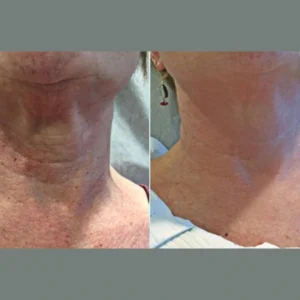
Botox is commonly used for forehead lines, frown lines, crow’s feet, jaw tension, and neck bands. Fillers are typically used to restore volume in the cheeks, lips, under-eye areas, and around the mouth, as well as to enhance chin or jawline contours.
Duration of Effects
Botox typically lasts three to six months, depending on the individual and the area treated. Dermal fillers tend to last six months to over eighteen months, depending on the type of filler and area treated.
Onset of Results
Botox results develop gradually. Muscle relaxation begins within a few days, and full smoothing of wrinkles usually becomes visible within one to two weeks. Dermal fillers provide an immediate volumizing effect, although subtle settling occurs over a few days as the gel integrates into the skin.
Effect on Facial Expression
Botox reduces the activity of targeted muscles but preserves natural expressions when applied correctly. Fillers do not affect muscle movement and create changes by restoring volume and enhancing contours.
Areas Treated by Botox
Botox is primarily used to treat expression-related lines. Common treatment areas include:
-
Forehead lines
-
Glabellar lines between the eyebrows
-
Crow’s feet around the eyes
-
Jaw muscles to reduce tension or reshape the jawline
-
Neck bands
Botox is particularly effective in areas where repeated movement causes wrinkles, and precise application ensures natural-looking results.
Areas Treated by Dermal Fillers
Dermal fillers restore lost volume and smooth static lines. Common areas include:
-
Cheeks for added lift and contour
-
Lips for volume and shape
-
Nasolabial folds and marionette lines
-
Under-eye hollows
-
Chin and jawline for contouring
Fillers provide both aesthetic enhancement and structural support to areas affected by aging or volume loss.
Complementary Use
Botox and dermal fillers are often used together for comprehensive facial rejuvenation. Botox smooths dynamic wrinkles caused by facial expressions, while fillers restore volume and smooth deeper, static wrinkles. Using both treatments strategically allows for a natural, balanced, and refreshed appearance without surgery.
Safety Considerations
Both Botox and dermal fillers are generally safe when administered by trained professionals. Proper technique, accurate placement, and appropriate dosing are essential to achieve desired results. The choice between the two treatments depends on the type of wrinkles, areas of concern, and overall facial goals.
FAQs About Botox and Dermal Fillers
What is the main difference between Botox and dermal fillers?
Botox relaxes muscles to reduce expression lines, while fillers restore volume and smooth static wrinkles.
Can Botox and fillers be used together?
Yes. They complement each other, with Botox targeting dynamic wrinkles and fillers restoring volume in other areas.
Which lasts longer, Botox or fillers?
Fillers generally last longer, from six months to over a year, while Botox typically lasts three to six months.
Will Botox make my face look stiff?
When applied correctly, Botox relaxes targeted muscles while preserving natural expressions.
Which is better for crow’s feet?
Botox is generally preferred because it targets the muscles that create these lines.
Are fillers only for older individuals?
No. Fillers can enhance facial features or restore volume in younger adults as well.
How quickly do results appear?
Botox results develop gradually over one to two weeks, while fillers provide an immediate volumizing effect.
Can Botox prevent wrinkles from forming?
Yes. By reducing repetitive muscle movement, Botox can help prevent dynamic wrinkles from becoming deeper over time.
Botox and dermal fillers are both effective tools for facial rejuvenation, but they target different aspects of aging. Botox reduces wrinkles caused by muscle movement, while dermal fillers restore lost volume and smooth static lines. Understanding these differences allows individuals to choose the most suitable treatment or combination of treatments for natural and refreshed results. When used strategically together, Botox and fillers provide a balanced approach to facial rejuvenation, addressing both movement-related and volume-related concerns for a youthful appearance.