Let’s be honest—most of us have used the words leggings and tights interchangeably at some point. They look similar, feel similar, and often sit right next to each other in our wardrobes. But if you’ve ever stood in front of your closet wondering, “Should I wear leggings or tights today?”, you’re not alone.
While they may appear almost the same at first glance, leggings and tights are actually designed for different purposes. Understanding the difference can help you dress better, feel more comfortable, and choose the right piece for every occasion—especially when it comes to leggings for women.
So let’s break it down in a simple, conversational, and real-world way.
First Things First: What Are Leggings?
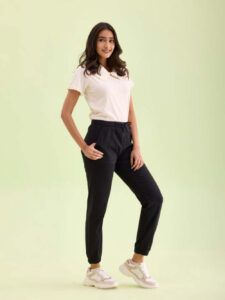
Leggings for women are thick, stretchable bottoms designed to be worn as pants. They’re made from opaque fabrics that provide full coverage, meaning you don’t have to layer anything over them unless you want to.
Leggings are incredibly versatile. You can wear them with kurtis, long tops, oversized shirts, sweatshirts, and even short dresses. From daily wear to travel, workouts to lounging, leggings for women fit seamlessly into modern life.
What truly defines leggings is comfort and coverage. They’re meant to be worn confidently on their own.
And What Exactly Are Tights?
Tights, on the other hand, are much thinner and more delicate. Traditionally, tights are worn as layering pieces under dresses, skirts, or shorts. They provide light coverage, warmth, or aesthetic appeal rather than acting as standalone bottoms.
Tights are usually semi-transparent and don’t offer the same opacity as leggings. This means they’re not designed to be worn alone. Their purpose is to complement an outfit rather than form the base of it.
The Biggest Difference: Thickness and Opacity
One of the most noticeable differences between leggings and tights is thickness.
Leggings for women are thick, durable, and fully opaque. You can bend, stretch, and move freely without worrying about transparency. This makes them suitable for long hours, public outings, and everyday wear.
Tights are thin and often sheer. While they can feel lightweight and breathable, they don’t provide the same coverage. This is why tights are almost always paired with dresses or skirts.
Comfort Level: Everyday Wear vs Occasional Styling
If comfort is your top priority, leggings win hands down.
Leggings for women are designed for long-term wear. Their soft fabrics, stretchability, and supportive waistbands make them perfect for daily routines. You can wear them all day without feeling restricted.
Tights, while comfortable for short periods, are not always ideal for extended wear. Their delicate fabric and snug fit can sometimes feel restrictive, especially after several hours.
Durability and Longevity
Another major difference lies in durability.
Leggings for women are made to last. They can handle regular washing, frequent wear, and everyday movement. High-quality leggings retain their shape, color, and elasticity over time.
Tights are more fragile. They’re prone to snagging, tearing, and laddering. One small pull can ruin a pair. This makes tights better suited for occasional use rather than daily wear.
Styling Differences: Casual vs Layered Looks
Leggings offer far more flexibility when it comes to styling.
You can dress them up or down effortlessly:
- Pair them with kurtis for a traditional look
- Style them with oversized shirts for casual outings
- Wear them with sweatshirts for relaxed days
- Match them with tunics for office-appropriate outfits
Tights, on the other hand, are mainly used for layering. They add warmth or style underneath dresses and skirts but rarely stand alone in an outfit.
Seasonal Suitability
Leggings for women are suitable for all seasons. Lightweight cotton leggings work beautifully in summer, while thicker variants offer warmth during winter.
Tights are mostly preferred during colder months. They provide an extra layer under dresses or skirts, helping you stay warm while maintaining style.
Waistband and Fit Differences
Leggings usually come with elastic or high-rise waistbands that provide support and comfort. They stay in place throughout the day without rolling or digging in.
Tights often have lighter waistbands that focus more on holding the garment in place rather than providing structured support. This can sometimes feel less secure, especially for extended wear.
Purpose: Function vs Fashion
Leggings for women are highly functional. They’re designed to support everyday movement, comfort, and versatility.
Tights lean more towards fashion. They’re meant to enhance the look of dresses and skirts, add warmth, or create layered styling rather than serve as primary bottoms.
Which One Should You Choose?
The choice between leggings and tights depends entirely on your needs.
If you’re looking for:
- Daily comfort
- All-day wear
- Versatile styling
- Durability
Then leggings for women are your best bet.
If you’re styling:
- Dresses
- Skirts
- Layered winter outfits
Then tights serve their purpose beautifully.
Why Leggings Have Become a Wardrobe Staple
There’s a reason leggings for women have become a modern essential. They simplify dressing, reduce decision fatigue, and provide unmatched comfort. They adapt effortlessly to different outfits, moods, and occasions.
From busy mornings to relaxed evenings, leggings make life easier—one outfit at a time.
Final Thoughts
While leggings and tights may look similar, they serve very different roles in a woman’s wardrobe. Tights are great for layering and occasional styling, but leggings for women are true everyday heroes.
Understanding this difference helps you build a smarter, more comfortable wardrobe that works with your lifestyle—not against it.
So the next time you’re deciding between leggings and tights, just ask yourself: Do I need comfort and versatility, or layering and style? The answer will always guide you in the right direction.