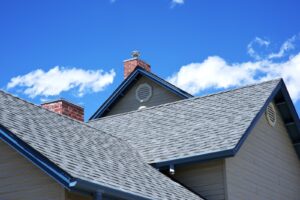
Residential roofs provide essential protection, and their longevity depends on several critical factors. Homeowners often rely on a local roofing company to ensure proper installation and regular maintenance, which significantly influences how long a roof lasts. Understanding these factors helps homeowners make informed decisions about materials, maintenance routines, and repairs. A well-maintained roof not only protects the structure but also improves energy efficiency, enhances curb appeal, and prevents costly damage. Evaluating a roof’s expected lifespan allows homeowners to plan renovations or replacements strategically, ensuring safety and value. Considering local climate conditions, material choices, and professional guidance creates a comprehensive approach to roof longevity, helping homes withstand weather extremes, pests, and natural wear over time. Proper planning, informed decisions, and timely upkeep combine to maximize the lifespan of residential roofs.
Roofing Materials
The type of roofing material has the most direct effect on lifespan, durability, and performance. Different materials handle stress, weather, and environmental conditions in distinct ways, influencing how long the roof can serve its purpose. Selecting the appropriate material for the region, structure, and budget is critical.
- Asphalt shingles: 15–30 years
- Metal roofs: 40–70 years
- Clay or concrete tiles: 50–100 years
- Slate: 75–200 years
Each material comes with benefits and limitations. Asphalt shingles are cost-effective and simple to install, making them popular for many residential projects, but they have shorter lifespans. Metal roofs resist fire and extreme weather but require careful installation to avoid corrosion or dents. Clay and concrete tiles provide excellent durability and aesthetic appeal, though they are heavier and demand reinforced structures. Slate offers unmatched longevity and natural beauty, but installation is complex and expensive. Choosing a material should balance performance, cost, climate suitability, and structural support. Consulting a local roofing company ensures that material selection aligns with both functional needs and aesthetic preferences.
Installation Quality
Proper installation directly affects how long a roof will last and whether the material performs as expected. Even high-quality materials can fail prematurely if installation is substandard. Experienced roofing professionals follow manufacturer guidelines and local building codes to avoid common issues such as improper sealing, misaligned shingles, or inadequate underlayment. Installing vents, flashing, and gutters correctly is essential to prevent water infiltration and structural damage. Regular inspections during and after installation identify potential weak points and address them promptly, ensuring the roof withstands environmental pressures. A roof installed by a qualified team reduces the likelihood of leaks, warping, and early deterioration.
Maintenance Practices
Routine maintenance prolongs a roof’s lifespan by preventing minor issues from becoming major problems. Regular inspections, cleaning, and minor repairs address potential weaknesses and preserve structural integrity.
- Inspect roof twice a year
- Clear leaves and debris from gutters
- Trim overhanging tree branches
- Repair small leaks immediately
Preventing moss, algae, and debris accumulation keeps shingles and tiles functional and water-resistant. Cleaning gutters ensures proper drainage, preventing water pooling that can damage shingles or the roof deck. Early detection of loose or damaged shingles, cracked tiles, or rust spots on metal roofs prevents extensive repairs. Scheduled maintenance minimizes unexpected costs and protects the home’s overall value. Homeowners should consider professional inspections periodically, as specialists can detect issues that are not visible from the ground, maintaining the roof’s performance over decades.
Environmental and Climate Factors
Roofs are constantly exposed to environmental stress, and climate conditions play a critical role in longevity. Extreme heat accelerates asphalt degradation, while heavy rainfall or snow increases the risk of leaks and water damage. Hailstorms can crack tiles or dent metal, reducing effectiveness, and strong winds may lift or dislodge shingles. Coastal areas may face salt corrosion, while areas with large temperature fluctuations can experience thermal expansion and contraction that weakens materials. Choosing materials compatible with the local climate improves durability. Proper design and preventive measures, such as installing storm straps or protective coatings, allow roofs to withstand environmental challenges, extending service life significantly.
Roof Design and Ventilation
Roof pitch, drainage, and attic ventilation influence how long a roof remains in good condition. Steep roofs shed water and snow efficiently, reducing moisture-related damage, while flat or low-pitch roofs require advanced waterproofing and regular inspection. Proper ventilation prevents heat buildup in the attic, which can warp shingles or accelerate material deterioration. It also reduces moisture accumulation that causes mold, rot, or corrosion in structural components. Adequate airflow ensures a stable internal environment, prolonging both the roof’s materials and the home’s structural integrity. Strategic design considerations such as overhangs, flashing, and gutter placement contribute to effective water management and long-term performance.
Age of the Roof and Previous Repairs
The age of a roof provides a baseline for expected longevity. Even the most durable materials degrade over time due to exposure to sunlight, precipitation, and temperature fluctuations. Previous repairs or modifications can impact structural stability, especially if done improperly. Frequent patching may indicate underlying issues, and accumulated wear can shorten the roof’s functional life. Maintaining accurate records of repairs, inspections, and upgrades allows homeowners and roofing professionals to make informed decisions about replacement or major repairs, maximizing lifespan and avoiding sudden failures.
Pest and Biological Factors
Pests, moss, algae, and other biological growth affect roof longevity. Birds, rodents, and insects may damage shingles, tiles, or insulation, while moss and algae retain moisture that accelerates material decay. Proper maintenance, preventive treatments, and timely cleaning minimize these risks. Roof coatings and anti-moss products help control growth, while routine inspections detect infestations before significant damage occurs. Maintaining clear drainage paths, trimming nearby trees, and sealing potential entry points reduces exposure to pests, preserving the roof’s structural integrity and overall lifespan.
Conclusion
The lifespan of residential roofs depends on a combination of materials, installation quality, maintenance practices, environmental conditions, design, and biological factors. Selecting durable materials suited to the local climate, ensuring professional installation, and performing routine maintenance significantly extends roof life. Consulting a local roofing company provides expert guidance, proper inspections, and timely repairs, protecting both the home and its occupants. Taking proactive measures prevents costly damage, enhances the home’s value, and ensures that roofs continue to provide reliable protection for decades. Understanding and addressing each factor enables homeowners to make informed decisions and enjoy long-term durability and performance.
FAQs
What is the average lifespan of a residential roof?
Lifespan varies by material, with asphalt shingles lasting 15–30 years, metal 40–70 years, clay 50–100 years, and slate 75–200 years. Proper installation and maintenance significantly influence these estimates.
How often should a roof be inspected?
Professional inspections twice a year, especially in spring and fall, help detect early signs of damage, leaks, or wear, extending roof lifespan.
Do climate conditions affect roof durability?
Extreme heat, hail, heavy rain, wind, and temperature fluctuations impact material performance. Selecting materials suited to the local environment maximizes longevity.
Can minor repairs extend the lifespan of a roof?
Timely repairs of leaks, damaged shingles, or cracked tiles prevent larger issues, reduce maintenance costs, and extend overall roof life.