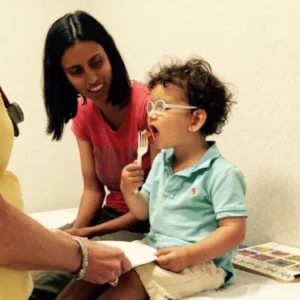
Many people visit a Primary Care Clinic only when they feel sick, but primary care goes far beyond treating common illnesses. A primary care clinic is the foundation of everyday healthcare, offering preventive services, chronic disease management, and guidance for nearly all non-emergency medical concerns. Understanding what a Primary Care Clinic treats can help you make better decisions about your health and avoid unnecessary specialist or emergency visits.
A Primary Care Clinic is often the first point of contact in the healthcare system. It focuses on whole-person care, addressing physical health, mental wellbeing, lifestyle factors, and long-term health planning. Whether you’re dealing with a sudden illness, managing a chronic condition, or simply staying healthy, primary care plays a vital role in maintaining overall wellness.
Understanding the Role of a Primary Care Clinic
A Primary Care Clinic provides continuous, comprehensive healthcare for individuals of all ages. Unlike specialty care, which focuses on specific organs or conditions, primary care addresses a broad range of health needs across different life stages.
Primary care providers focus on prevention, early detection, diagnosis, treatment, and long-term management. This approach ensures health concerns are addressed before they become serious, reducing complications and improving quality of life.
Common Conditions Treated at a Primary Care Clinic
Acute Illnesses and Infections
A Primary Care Clinic treats many short-term illnesses that affect daily life, including:
- Colds, flu, and viral infections
- Fever and body aches
- Sore throat and sinus infections
- Ear infections
- Gastrointestinal issues such as nausea, vomiting, or diarrhea
Primary care providers diagnose symptoms, recommend appropriate treatment, and guide recovery without unnecessary testing or referrals.
Chronic Disease Management
Managing long-term conditions is a key responsibility of a Primary Care Clinic. These include:
- Diabetes
- High blood pressure
- High cholesterol
- Asthma
- Thyroid disorders
Primary care focuses on regular monitoring, medication management, lifestyle guidance, and early detection of complications, helping patients maintain stability and prevent disease progression.
Preventive Care and Wellness Services
Prevention is one of the most important functions of a Primary Care Clinic. Preventive services include:
- Annual physical exams
- Health screenings based on age and risk factors
- Immunizations
- Blood pressure and cholesterol checks
- Cancer screening referrals
Preventive care helps detect potential issues early, often before symptoms appear, improving treatment outcomes and long-term health.
Mental and Emotional Health Support
A Primary Care Clinic plays an important role in mental health care. Many patients first discuss emotional concerns with their primary care provider. Common mental health issues addressed include:
- Stress and burnout
- Anxiety
- Depression
- Sleep disturbances
- Mood changes
Primary care providers assess symptoms, provide initial treatment, recommend lifestyle changes, and coordinate referrals when additional mental health support is needed.
Women’s Health Services in a Primary Care Clinic
A Primary Care Clinic supports women’s health needs throughout different life stages. Services often include:
- Routine wellness exams
- Menstrual concerns
- Family planning guidance
- Menopause symptom management
- Preventive screenings and counseling
Primary care ensures continuity of care and personalized guidance based on individual health history and goals.
Men’s Health Concerns Addressed in Primary Care
Men often delay seeking care, making the role of a Primary Care Clinic especially important. Common concerns treated include:
- Blood pressure and heart health
- Hormonal changes
- Prostate health screening referrals
- Fatigue and sleep issues
- Lifestyle-related conditions
Regular visits to a primary care clinic help men stay proactive about their health and prevent avoidable complications.
Pediatric and Adolescent Care
A Primary Care Clinic provides essential healthcare for children and teenagers, including:
- Growth and developmental monitoring
- Vaccinations
- School and sports physicals
- Common childhood illnesses
- Adolescent mental and emotional health support
Primary care establishes healthy habits early and ensures proper development during key growth stages.
Minor Injuries and Everyday Health Issues
Not all injuries require emergency care. A Primary Care Clinic can treat:
- Minor cuts and burns
- Sprains and strains
- Mild allergic reactions
- Skin rashes and infections
- Insect bites
Receiving care at a primary care clinic is often faster, more affordable, and more appropriate for non-life-threatening issues.
Lifestyle and Preventive Counseling
Lifestyle factors significantly influence long-term health. A Primary Care Clinic provides guidance on:
- Nutrition and weight management
- Physical activity
- Stress reduction
- Sleep habits
- Smoking cessation
These conversations help patients make sustainable changes that improve overall wellbeing and reduce future health risks.
Coordination of Care and Referrals
When specialized care is needed, a Primary Care Clinic acts as a coordinator. Primary care providers:
- Refer patients to appropriate specialists
- Share medical history and test results
- Monitor progress after specialist visits
- Ensure treatments align with overall health goals
This coordination prevents fragmented care and improves treatment outcomes.
When Should You Visit a Primary Care Clinic?
You should consider visiting a Primary Care Clinic if you:
- Feel unwell but are not experiencing an emergency
- Need preventive screenings or routine checkups
- Are managing a chronic condition
- Have ongoing fatigue, pain, or unexplained symptoms
- Need guidance on lifestyle or mental health concerns
Primary care is designed to be your first step for most health-related needs.
Benefits of Choosing a Primary Care Clinic
Choosing a Primary Care Clinic offers several long-term advantages:
- Continuity of care
- Early detection of health issues
- Reduced healthcare costs
- Personalized treatment plans
- Better overall health outcomes
Patients who regularly visit a primary care clinic often experience improved health and fewer emergency visits.
Frequently Asked Questions
Can a primary care clinic treat most health problems?
Yes. A Primary Care Clinic treats a wide range of conditions and coordinates care when specialized treatment is needed.
Do I need to visit a primary care clinic if I feel healthy?
Yes. Preventive visits help detect health issues early and maintain long-term wellness.
How often should I visit a primary care clinic?
Most adults benefit from at least one annual visit, while those with chronic conditions may need more frequent appointments.
Can a primary care clinic help with mental health concerns?
Absolutely. A Primary Care Clinic often serves as the first point of support for stress, anxiety, depression, and sleep issues.
Is a primary care clinic suitable for children and older adults?
Yes. Primary care clinics provide age-appropriate care for children, adults, and seniors.
Conclusion
A Primary Care Clinic treats far more than occasional illnesses. From preventive care and chronic disease management to mental health support and lifestyle counseling, primary care serves as the cornerstone of lifelong health. Understanding what a primary care clinic treats empowers patients to seek timely care, build lasting relationships with providers, and take a proactive approach to overall wellbeing. Making a Primary Care Clinic your first stop for healthcare needs ensures comprehensive, coordinated, and patient-centered care at every stage of life.