Copper T, a hormone-free intrauterine device (IUD), is a highly effective and long-term method of contraception. Its benefits include high efficacy, long-lasting protection, and reversibility. Women seeking Copper T in Abu Dhabi can access this option through various healthcare providers. However, like any medical device, Copper T carries certain risks. Understanding these risks allows women to make informed decisions, monitor their health, and seek timely care if complications arise. This article provides a detailed examination of the potential risks associated with Copper T use, factors influencing these risks, and guidance for minimizing problems.
Understanding Copper T
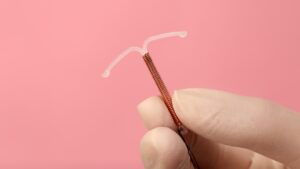
Copper T is a small, T-shaped device made of plastic and wrapped in copper. It is inserted into the uterus by a trained healthcare provider. The copper interferes with sperm mobility, fertilization, and implantation, providing contraception without hormones.
Its long-term effectiveness makes it an attractive option, but women should be aware of both common and less frequent risks after insertion.
Common Risks
Cramping and Pain
-
During insertion: Some women experience mild to moderate cramping similar to menstrual cramps. Cramping usually peaks at the moment the device is inserted and released.
-
After insertion: Mild abdominal or lower back cramps may continue for a few hours or days as the uterus adjusts.
Spotting and Irregular Bleeding
-
Initial months: Light spotting or bleeding between periods is common in the first three to six months.
-
Long-term changes: Some women experience slightly heavier periods than before, which can affect daily life.
Expulsion
-
Partial or complete: Rarely, Copper T may partially or fully move out of the uterus, reducing contraceptive effectiveness.
-
Signs of expulsion: Feeling longer or missing strings, unusual cramps, or unexpected bleeding may indicate expulsion.
Increased Menstrual Flow
-
Heavier periods: Women may notice increased flow during menstruation, especially in the first few months.
-
Long-term impact: While many women adapt over time, some may experience persistently heavier or longer periods.
Less Common Risks
Infection
-
Pelvic infections: Insertion can introduce bacteria into the uterus, leading to pelvic inflammatory disease (PID) in rare cases.
-
Timing: The risk is highest in the first few weeks after insertion.
-
Prevention: Proper sterile technique and pre-insertion screening help reduce this risk.
Perforation
-
Uterine wall injury: Rarely, Copper T can perforate the uterine wall during insertion.
-
Signs: Severe abdominal pain, unusual bleeding, or inability to feel strings may indicate perforation.
-
Immediate attention: Perforation is uncommon but requires medical evaluation and sometimes surgical intervention.
Allergic Reactions
-
Copper sensitivity: Very rare cases of allergic reaction to copper can occur, leading to inflammation or discomfort.
-
Signs: Persistent unusual pain, rash, or systemic symptoms may indicate sensitivity.
Ectopic Pregnancy
-
Reduced risk overall: Copper T prevents pregnancy effectively, but if pregnancy occurs, there is a slightly higher chance that it may be ectopic (outside the uterus).
-
Early detection: Symptoms like abdominal pain or irregular bleeding should prompt medical evaluation to rule out ectopic pregnancy.
Factors That Increase Risk
Certain factors may increase the likelihood of experiencing complications with Copper T:
-
History of pelvic infections: Women with previous pelvic inflammatory disease may be at higher risk.
-
Abnormal uterine anatomy: Fibroids, scar tissue, or unusual uterine shapes can make insertion more challenging.
-
Timing of insertion: Immediate post-partum or post-abortion insertion may slightly increase expulsion risk.
-
Multiple sexual partners: Higher risk of sexually transmitted infections (STIs) may indirectly increase infection risk after insertion.
Understanding these factors helps healthcare providers plan insertion and follow-up care more effectively.
Signs That Require Medical Attention
While many effects of Copper T use are mild and temporary, certain symptoms require prompt evaluation:
-
Severe or persistent abdominal pain or cramps
-
Heavy or prolonged menstrual bleeding
-
Fever, foul-smelling discharge, or unusual vaginal symptoms
-
Feeling the device has moved, strings are missing, or pain worsens during intercourse
-
Symptoms of possible pregnancy, including nausea, breast tenderness, or missed periods
Early intervention ensures that complications are managed safely and reduces long-term risk.
Reducing Risks of Copper T
Women can take several steps to minimize risks associated with Copper T:
-
Professional insertion: Always have Copper T inserted by a trained healthcare provider.
-
Sterile environment: Ensures infection prevention during the procedure.
-
Follow-up checks: A visit 4–6 weeks after insertion confirms correct placement.
-
Monthly string checks: Feeling for the device’s strings helps detect partial expulsion early.
-
Prompt medical consultation: Address any unusual pain, bleeding, or other symptoms immediately.
Adhering to these steps ensures that Copper T remains a safe and effective contraceptive method.
Frequently Asked Questions
Can Copper T cause permanent problems?
No. Most women experience temporary changes like cramping or spotting. Long-term complications are rare. Fertility typically returns immediately after removal.
Is Copper T safe for all women?
Most women can use Copper T safely, but those with uterine abnormalities, certain infections, or copper sensitivity should discuss alternatives with a healthcare provider.
Can Copper T increase infection risk?
There is a small risk of infection, particularly within the first few weeks of insertion. Following proper hygiene and professional guidance minimizes this risk.
How can I tell if Copper T has moved?
Checking the strings monthly and monitoring unusual pain or bleeding helps detect partial or full expulsion. A healthcare provider can confirm device placement.
What happens if pregnancy occurs with Copper T?
Pregnancy is rare with Copper T, but if it occurs, early medical consultation is necessary to confirm that it is intrauterine and not ectopic.
Conclusion
While Copper T is highly effective, long-lasting, and hormone-free, it carries certain risks. Common issues include mild cramping, spotting, and changes in menstrual flow, which usually subside over time. Less frequent but more serious risks include device expulsion, infection, perforation, and rare cases of allergic reaction. Understanding these risks, recognizing warning signs, and following professional guidance ensures safe use of Copper T.