East Texas is quietly becoming one of the most attractive regions for commercial real estate investment in the state. With expanding infrastructure, steady population growth, and a business-friendly environment, cities like Tyler are drawing attention from entrepreneurs, investors, and developers alike. Whether you’re launching a new venture or expanding an existing one, understanding how to navigate this market can open the door to long-term success.
Why Tyler Is a Rising Commercial Hub
Tyler has evolved beyond its reputation as a regional medical and education center. Today, it’s a dynamic economic hub with diverse industries driving demand for commercial spaces. From retail and hospitality to healthcare and logistics, businesses are finding fertile ground for growth.
Several factors contribute to Tyler’s appeal:
-
Strategic location with access to major highways
-
A growing population with increasing consumer demand
-
Lower operating costs compared to larger Texas metros
-
A supportive local business environment
These advantages make Tyler particularly attractive for small to mid-sized businesses seeking scalability without the overhead of larger cities.
Types of Commercial Properties Available
One of the strengths of the East Texas market is its diversity of commercial property options. Buyers and investors can choose from a wide range of property types depending on their goals.
Common Property Categories
-
Retail Spaces: Ideal for storefronts, restaurants, and service-based businesses
-
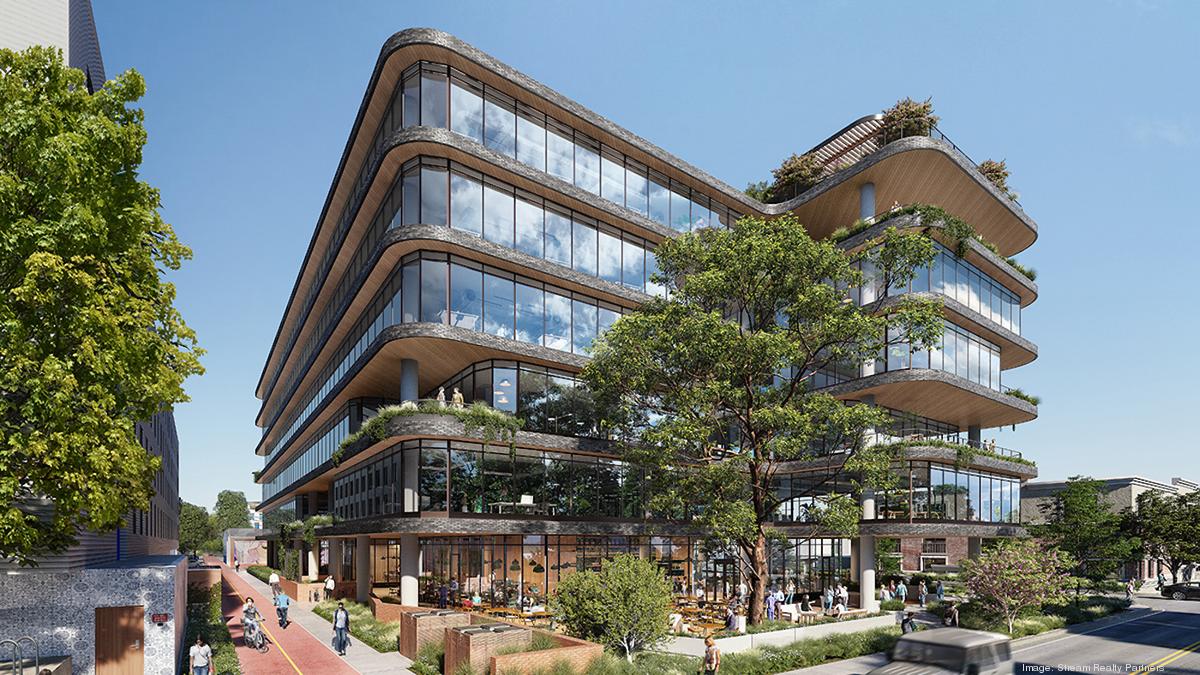
Office Buildings: Suitable for professional services and corporate operations
-
Industrial Properties: Warehouses, distribution centers, and manufacturing facilities
-
Mixed-Use Developments: Combining residential, retail, and office space
-
Land for Development: Perfect for building custom commercial projects
Each category comes with its own set of considerations, from zoning requirements to expected returns. Knowing which type aligns with your business or investment strategy is essential.
Key Factors to Consider Before Investing
Commercial real estate decisions carry significant financial implications, so it’s important to evaluate each opportunity carefully. Beyond location and price, several other factors can influence the success of your investment.
What Smart Investors Look For
-
Traffic and Visibility: High-traffic areas often yield better returns for retail
-
Zoning and Regulations: Ensure the property supports your intended use
-
Tenant Demand: Strong demand can improve occupancy rates and income stability
-
Infrastructure: Access to utilities, roads, and internet is critical
-
Future Growth Potential: Look for areas with planned development or expansion
Taking a holistic view of these elements can help you avoid costly missteps and identify high-potential properties.
The Importance of Localized Search Tools
One of the biggest challenges in commercial real estate is finding accurate, relevant listings without wasting time on properties that don’t meet your criteria. This is where localized platforms become invaluable.
For example, using a dedicated resource for Tyler commercial real estate allows you to focus specifically on opportunities within the Tyler market. Instead of sorting through broad, nationwide listings, you gain access to properties that are directly aligned with your geographic and investment goals.
This targeted approach offers several benefits:
-
More relevant and up-to-date listings
-
Better filtering options for property type and price
-
Faster identification of viable opportunities
-
Improved efficiency in your search process
In competitive markets, having access to precise and timely information can make all the difference.
Navigating the Buying Process
Once you’ve identified a promising property, the next step is navigating the acquisition process. While each transaction is unique, most follow a similar structure.
Steps in a Commercial Real Estate Purchase
-
Initial Property Evaluation: Review financials, location, and condition
-
Due Diligence: Conduct inspections, verify zoning, and assess risks
-
Financing: Secure funding through lenders or investment partners
-
Negotiation: Agree on price, terms, and contingencies
-
Closing: Finalize paperwork and transfer ownership
Because commercial transactions can be complex, working with experienced professionals can help streamline the process and reduce risk.
Common Pitfalls to Avoid
Even in a promising market like Tyler, mistakes can be costly. Being aware of common pitfalls can help you approach your investment with greater confidence.
Avoid These Common Errors
-
Underestimating Costs: Maintenance, taxes, and upgrades can add up quickly
-
Ignoring Market Trends: Failing to track demand can impact long-term returns
-
Overleveraging: Taking on too much debt increases financial risk
-
Skipping Due Diligence: Missing key details can lead to unexpected issues
-
Choosing the Wrong Location: Even a great property can struggle in a poor location
A disciplined, research-driven approach is key to avoiding these challenges.
Long-Term Value and Growth Potential
Commercial real estate is often viewed as a long-term investment, and Tyler offers strong potential in this regard. As the city continues to grow, demand for commercial space is expected to rise, creating opportunities for appreciation and steady income.
Investors who enter the market early and choose properties wisely may benefit from:
-
Increasing property values
-
Strong rental income potential
-
Diversification of investment portfolios
-
Opportunities for redevelopment or expansion
The key is to think beyond immediate returns and focus on sustainable growth over time.
Conclusion: Positioning Yourself for Success
Tyler’s commercial real estate market presents a compelling opportunity for both new and experienced investors. With the right strategy, careful evaluation, and access to localized tools, you can uncover properties that align with your goals and set the stage for long-term success.
By leveraging focused resources like Tyler commercial real estate listings, you gain a clearer view of the market and a more efficient path to finding the right investment. In a region full of potential, taking a thoughtful and informed approach can help you make decisions that pay off for years to come.