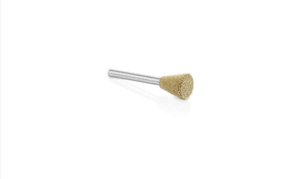
When it comes to precision work in woodworking, metalworking, and other craft applications, burrs play an essential role in achieving clean, intricate results. These specialized rotary tools allow artisans and professionals to shape, carve, and refine materials with accuracy that hand tools often cannot match. Among the variety of burr designs, tapered burrs stand out for their ability to reach narrow areas, create fine details, and provide smooth transitions between surfaces. Their unique shape and versatility make them indispensable in workshops that focus on detailed finishing and high-quality craftsmanship.
What Are Tapered Burrs?
Design and Functionality
Tapered burrs feature a conical design that narrows to a precise tip. This shape allows for both broad material removal at the base and fine detailing at the tip, making them ideal for tasks that require versatility. The taper ensures that the tool can access tight corners, delicate edges, and intricate patterns that flat or cylindrical burrs cannot reach. Additionally, the fluted surface of these burrs helps in efficient cutting and smooth removal of material, preventing snagging and ensuring clean results.
Material Compatibility
These tools are typically made from durable materials like tungsten carbide, ensuring they maintain sharpness even under heavy use. Tapered burrs are effective on a wide range of materials, including wood, metal, acrylic, and composites. Their design allows for controlled cutting, reducing the risk of accidental gouging or over-carving, which is particularly valuable for precision work.
Key Applications of Tapered Burrs
Fine Detailing and Engraving
One of the primary uses of tapered burrs is for fine detailing in wood and metal projects. They allow artisans to create intricate designs, engravings, and textures with precision. The pointed tip is especially useful for producing small, accurate cuts, while the wider base allows for shaping and blending. This versatility is why tapered burrs are a preferred choice among professionals in jewelry making, custom woodworking, and metal fabrication.
Sculpting and Carving
Tapered burrs are also ideal for sculpting and shaping materials. In woodworking, they can smooth out contours, refine curves, and create uniform patterns. The controlled material removal provided by these tools makes them suitable for both rough shaping and final finishing, reducing the need for extensive hand sanding or filing afterward.
Kutzall Burrs for Enhanced Performance
For those seeking high-quality burrs, Kutzall burrs are widely recognized for their superior cutting efficiency and durability. Designed for both professional and hobbyist use, these burrs offer smooth operation, consistent performance, and long-lasting sharpness. Their precision-engineered flutes minimize clogging and optimize material removal, making them an excellent addition to any workshop focused on fine detailing and complex shaping.
Tips for Using Tapered Burrs Effectively
Selecting the Right Speed
Rotary tools and die grinders typically offer adjustable speeds, and selecting the correct speed is crucial when using tapered burrs. Slower speeds can provide more control and reduce heat buildup, while higher speeds allow for faster material removal. Understanding the material being worked on and adjusting speed accordingly ensures optimal results without damaging the workpiece or tool.
Proper Technique and Angle
Maintaining the right angle while using a tapered burr is essential for precision. Approaching the surface with the tip first allows for delicate cuts, while gradual pressure along the taper can create smooth transitions. Consistent technique reduces chatter marks and helps achieve a professional finish.
Safety Considerations
When working with any rotary tool, wearing protective equipment such as safety glasses and gloves is important. Burrs can generate fine dust and sharp chips, which pose potential hazards. Securely clamping the workpiece and using steady, controlled motions enhances both safety and quality of work.
Choosing the Right Burr Tool for Your Projects
A burr tool is versatile enough to handle multiple materials and applications, making it an essential investment for both hobbyists and professionals. Choosing the right burr involves considering factors such as material hardness, desired finish, and the specific contours or details you aim to achieve. Tapered burrs are particularly effective when intricate shaping and fine detailing are required, offering precision that standard rotary bits cannot match.
Conclusion
Tapered burrs provide a combination of precision, versatility, and efficiency that makes them ideal for a wide range of applications. From fine detailing to shaping and sculpting, these tools allow artisans to achieve professional-quality results with minimal effort. Incorporating premium options into your toolkit ensures durability, consistent performance, and smoother operation. Whether used in woodworking, metalworking, or specialized craft projects, selecting the right power carving tools for wood can further enhance the results, allowing for greater creativity and precision in every project.