In today’s restaurant industry, having a reliable Point of Sale (POS) system is no longer optional—it’s essential. Restaurants face constant pressure to manage orders quickly, handle payments efficiently, and provide a smooth customer experience. Without a proper POS system, even small errors in orders or slow payment processing can affect customer satisfaction and impact overall profits. A well-designed POS helps staff work faster, keeps operations organized, and gives management valuable insights into sales and performance.
One POS system that is specifically designed for restaurants is known for its ease of use and comprehensive features. Unlike general-purpose POS systems, this solution focuses on the needs of restaurants, helping with everything from table management and menu updates to inventory tracking and payment processing. It is suitable for all types of dining establishments, including quick-service restaurants, cafes, and full-service restaurants, offering tools that improve both front-of-house and back-of-house operations.
Key Features of Total Touch Restaurant POS
One of the most important features of this system is its menu management. Restaurants often need to update menus, add seasonal items, or make changes to pricing. This POS allows menu changes in real time across all terminals, ensuring that staff always has the most accurate information. It also supports custom orders, modifiers, and combo meals, which makes it easier to handle special customer requests without mistakes.
Order management is also a strong point. The system handles dine-in, takeout, and delivery orders efficiently. For dine-in services, it offers table management tools that let staff track occupied tables, monitor order status, and split bills easily. For takeout or delivery, it can either work with third-party platforms or manage orders internally. This flexibility ensures restaurants can serve customers quickly and without confusion, even during busy periods.
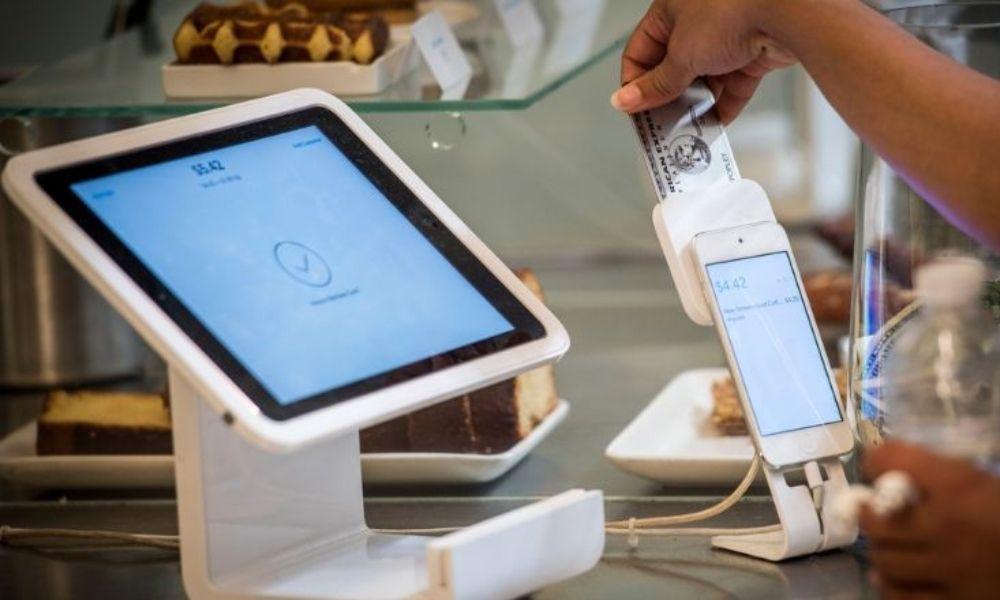
Payment processing is seamless with this POS. It accepts multiple payment methods such as cash, cards, and digital wallets. It also supports EMV chip transactions, ensuring secure payments and protecting against fraud. Restaurants can split bills, manage tips, and handle complex payment scenarios, which is especially helpful for full-service restaurants. Reliable payment processing reduces stress for staff and improves the overall customer experience.
Inventory management is another area where this POS shines. It tracks stock levels in real time and can alert managers when items are running low or nearing expiration. Some systems even allow ingredient-level tracking and automatic purchase orders, which is useful for restaurants with complex menus. This feature helps reduce waste, keep popular items in stock, and save time on manual inventory checks.
Reporting and analytics are crucial for making smart business decisions, and this POS system offers detailed insights. Restaurants can generate reports on sales, employee performance, popular menu items, and customer preferences. Managers can use this information to plan staffing, adjust menus, and create promotions. A simple dashboard makes it easy to access reports without needing technical knowledge, allowing owners to focus on improving their business.
For restaurants looking for a reliable solution, this system is also available through platforms like total touch pos, which makes it easier to compare options and choose the right configuration.
Pricing Overview
Pricing for this POS is subscription-based, and it usually varies depending on the number of terminals and features required. While the cost may be higher than basic systems, it is considered reasonable for the value it provides. Subscriptions often include software updates and support, which ensures restaurants get the latest features and assistance when needed. This model is particularly helpful for small to medium-sized businesses that want an affordable, scalable solution without a large upfront investment.
Pros and Cons
Like any system, this POS has both strengths and weaknesses. On the positive side, it is built specifically for restaurants, with features like table management, menu customization, and inventory tracking. Its reporting tools provide insights that help improve efficiency and profitability. Payment processing is reliable, and the system is flexible enough to handle multiple order types and service models.
However, some drawbacks exist. Initial setup and staff training can take time, which may be challenging for restaurants with high turnover or less tech-savvy employees. Occasionally, the system may slow down during very busy periods, and integration with certain third-party apps may require extra setup. Customer support is generally good, but service quality can vary depending on subscription levels.
Final Thoughts
Overall, this POS system is a strong choice for restaurants looking to improve operations and customer experience. Its comprehensive features make it suitable for a wide range of establishments, from small cafes to busy full-service restaurants. By managing orders, payments, and inventory efficiently, it allows staff to focus on providing excellent service while giving managers the data they need to make informed decisions.
For restaurant owners looking for an easy-to-use, restaurant-focused POS, this system offers a reliable, scalable solution that can grow alongside the business. With its flexible features, detailed reporting, and strong support for payment processing, it can help restaurants operate more smoothly and profitably in today’s fast-paced environment.