Vehicle lashing in Dubai keeps cars and heavy equipment fixed during transit. This process reduces damage, speeds customs clearance, and protects liability for shippers and carriers.
Key takeaways
- Professional lashing prevents most transit damage by limiting vehicle movement.
- Ratchet straps, wheel chocks, and lashing rings are standard equipment.
- Container, flat-rack, and RORO lashing require different techniques and documentation.
- Choose a certified provider that documents condition and cites international standards.
What is vehicle lashing and why it matters
The Vehicle lashing in Dubai is the act of securely fastening a vehicle to its transport platform. It uses straps, chocks, rings, and sometimes metal strapping to stop shift, roll, and vibration during movement.
Example: A luxury car uses soft straps around the wheels to avoid paint marks, while a bulldozer uses industrial ratchet straps on a flat rack. Proper lashing reduces transit damage and insurance claims.
Common materials and equipment used in Dubai
Professional teams use a short set of reliable tools to secure loads. Core items include ratchet straps, wheel chocks, lashing rings, soft tie-downs, and metal or webbing lashings.
Professional vehicle lashing in Dubai protects assets and reduces transit risk. Pick a certified provider that documents condition, uses rated equipment, and follows international guidance.
For a tailored quote and indoor loading options, review Jenae Logistics’ vehicle lashing services or contact a certified local provider for an inspection and written plan.
- Ratchet straps Dubai: heavy-duty polyester straps with tensioning ratchets for tight, repeatable restraint.
- Wheel chocks Dubai: blocked to stop wheel movement during braking or lateral shift.
- Lashing rings and anchor points: welded or recessed anchors that meet load ratings.
- Soft straps and wheel-friendly loops: prevent scratches on luxury cars.
Tip: Inspect straps for wear and check ratchet labels for working load limits before use.
Types of vehicles and custom lashing solutions
Different vehicles need different methods and materials. Light cars, motorcycles, and heavy equipment each require tailored solutions.
Examples: Motorcycles get through-chassis tie-downs and cradle supports. SUVs use wheel chocks plus cross-straps. Heavy equipment needs multiple ratchets and sometimes metal lashings on flat racks.
Container vs flat-rack vs RORO: what changes
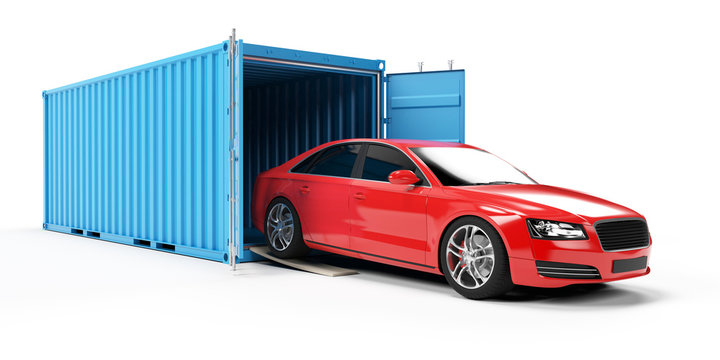
Each transport mode needs a specific approach. Containers demand compact multi-point lashing, while flat racks allow external metal lashings and direct welding of securing points.
RORO relies on vehicles rolling on and being braked, then anchored with straps and chocks. Documentation and dunnage differ by mode.
Compliance, documentation, and safety standards
Professional lashing follows international and local rules that reduce risk and speed clearance. The IMO and regional codes are common references for sea freight.
Different vehicles need different methods and materials. Light cars, motorcycles, and heavy equipment each require tailored solutions.
Examples: Motorcycles get through-chassis tie-downs and cradle supports. SUVs use wheel chocks plus cross-straps. Heavy equipment needs multiple ratchets and sometimes metal lashings on flat racks.
For regulations see the International Maritime Organization at imo.org and UAE customs guidance at dubaicustoms.gov.ae. Providers that photograph and report pre- and post-lashing help with claims and inspections.
Choosing a vehicle lashing service in Dubai
Pick a provider who documents condition, uses certified fittings, and offers indoor loading. Ask for WLL ratings and proof of staff training.
Example: Jenae Logistics offers indoor loading, inspection reports, and tailored lashing for cars and heavy equipment — see their vehicle lashing in Dubai page for details: vehicle lashing in Dubai.
Typical process and what to expect
The process is inspection, preparation, lashing, then documentation. Teams photograph each vehicle and sign a condition report before transit.
Step example: measure anchor points, place chocks, attach straps, tension ratchets, then secure loose parts with covers or soft straps.
Costs and quoting
Quotes depend on vehicle size, transport mode, and materials used. Expect separate line items for inspection, straps, chocks, and documentation.
Tip: Request an itemised quote and ask about insurance coverage and conditional surcharges for oversized equipment.
Summary
Professional vehicle lashing in Dubai protects assets and reduces transit risk. Pick a certified provider that documents condition, uses rated equipment, and follows international guidance.
For a tailored quote and indoor loading options, review Jenae Logistics’ vehicle lashing services or contact a certified local provider for an inspection and written plan.
FAQs
How are vehicles secured for transport in Dubai?
Technicians use ratchet straps, wheel chocks, lashing rings, and dunnage tailored to vehicle type and transport mode.
What tie-down straps work best for cars?
Wide polyester ratchet straps with wheel-friendly loops are best, because they offer high strength with low abrasion risk.
Can providers handle luxury cars and heavy machinery?
Yes; professional teams provide soft straps for luxury finishes and heavy-duty lashings for heavy equipment.
Is vehicle lashing compliant with international standards?
Reputable providers follow IMO guidelines and regional customs rules, and they document work for inspections.
Do lashing companies offer customs and inspection support?
Many full-service firms include customs clearance, documentation, and inspection as part of their offering.