Permanent jewelry, typically thin chains welded closed around the wrist, ankle, or neck, has jumped from boutique studio novelty to a mainstream fashion movement in only a few years.
What began as a playful trend among friends has evolved into a mode of self-expression that blends intimacy, craftsmanship, and a growing interest in sustainable consumption.
Below I unpack what jewelry actually is, why it resonates with people culturally and stylistically, and how it intersects with sustainability, both the gains and the trade-offs.
What is permanent jewelry?
At its simplest, permanent jewelry is jewelry that’s closed permanently (or semi-permanently) on the body: the two ends of a small chain are joined using a jeweler’s torch or a precision welding tool rather than a clasp.
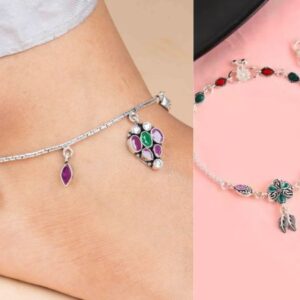
The result is a continuous loop that can’t be taken on and off without cutting. Most commonly worn as bracelets, anklets, and sometimes thin necklaces, these pieces are sized in-studio to fit the wearer’s body and are often intended to be worn for months or years.
“Permanent” here is a relative term. Because they’re welded, these pieces are more secure than clasped jewelry, but they can still be removed by a jeweler or cut in an emergency. Many studios offer “removal” services; others sell plated or non-precious chains at lower prices for people who want the look without long-term commitment.
Why people are drawn to it — the meaning behind the trend
Permanent jewelry’s appeal goes beyond aesthetics. Several emotional and cultural threads explain why it has taken off:
Ritual and memory. Getting a welded bracelet in a studio has become a ritual — friends, family members, or couples will fit and weld matching chains as a tangible memento of a moment. That permanence turns the piece into a wearable memory.
Commitment and identity. For some wearers it’s a subtle symbol of commitment (to a relationship, to oneself, to a life choice). Others appreciate how it marks identity without being flashy.
Simplicity and minimalism. The trend aligns with minimalist aesthetics: thin, understated chains that layer well with other jewelry. Because there’s no clasp, the silhouette is continuous and clean.
Customization. Studios often offer choices in metal, chain style, and length, letting wearers create a piece that fits their personality. Even small, inexpensive chains feel personalized when welded to your wrist.
Styling permanent jewelry
Jewelry is incredibly versatile. Here are practical styling tips:
Layering: Thin welded bracelets layer beautifully with watches and other bracelets. Vary textures — a delicate welded chain next to a leather band or a chunky cuff creates contrast.
Mix metals thoughtfully: If you like mixed-metal looks, a welded gold-filled or vermeil chain works well with silver or stainless pieces. For a cohesive look, stick to one metal family for the main stacked group.
Anklets and seasonal style: Anklets are perfect for summer outfits and footwear that expose the ankle. Because they’re welded, they stay put during beach days and festivals.
Necklaces: Welded necklaces are less common but can make a subtle statement when delicate. Avoid heavy pendant chains — welding is best for light, small-link chains.
Consider proportion: Very thin chains suit smaller wrists; thicker or chunkier chains should be sized carefully to remain comfortable as a permanent piece.
Sustainability: reasons the trend can be good — and where it falls short
Permanent jewelry sits at an interesting sustainability intersection. It can be more sustainable than fast-fashion trinkets in some ways, but it’s not automatically eco-friendly. Here’s a balanced look:
Sustainability advantages
Longevity over disposability: Because pieces are welded and often made from higher-quality metals (gold-filled, solid gold, sterling silver, or stainless steel), they’re worn longer. Longer use reduces the rate at which jewelry is discarded.
Emotional durability: Objects that hold sentimental value are less likely to be thrown away. The ritual of welding often bonds the wearer emotionally to the piece, encouraging long-term ownership.
Less packaging and turnover: Small studio operations often use minimal packaging and don’t rely on constant product churn the way fast fashion does.
Sustainability drawbacks
Material sourcing matters: If chains are gold-plated base metals or from poorly regulated sources, they still carry environmental and ethical issues connected to mining and manufacturing.
Repair vs replacement friction: While welded pieces can be removed and repaired, casual consumers may lack access or knowledge about repair options, leading some to cut and discard rather than restore.
Micro-trend consumption: The popularity boom has led to many new small brands and mass-produced versions. If consumers treat jewelry as a fashion novelty rather than a lasting buy, the environmental benefits disappear.
How to shop more sustainably
Choose higher-quality metals (gold-filled, recycled gold, or sterling silver) over cheaply plated alloys.
Ask studios about sourcing and whether they use recycled metals.
Prefer local or small-scale jewelers who handle fitting and future repairs, keeping the item in circulation rather than discarded.
Learn about maintenance and removal options — a welded bracelet that can be professionally removed and resized encourages reuse.
Practical considerations and care
Sizing: Accurate sizing is crucial. A welded chain that’s too tight is uncomfortable; too loose risks catching. Reputable studios measure with the wearer standing and moving — not just sitting at a table.
Allergies: If you have nickel sensitivity, choose nickel-free metals (sterling silver, solid gold, or gold-filled).
Cleaning and maintenance: Clean gently with mild soap and a soft brush; avoid harsh chemicals on plated pieces. For precious metals, occasional professional cleaning will keep the piece looking fresh.
Removal and emergencies: Know the studio’s removal policy. In some rare cases (medical or safety), cutting the bracelet may be necessary; keep that in mind if you work in environments where jewelry could be hazardous.
The cultural staying power: fad or new classic?
Jewelry taps into deeper desires: meaningful tokens, low-fuss style, and mindful consumption. That gives it a better shot at longevity than most micro-trends. However, whether it becomes a true classic depends on how the market matures.
If brands emphasize quality, repairability, and ethical sourcing — and if consumers treat their welded pieces as long-term items, jewelry could become a permanent fixture in our style vocabulary. If it remains driven by novelty and rapid replication, it risks becoming just another disposable trend.
Conclusion
Permanent jewelry is more than a pretty chain welded shut. It’s a cultural expression that blends ritual, minimal style, and the potential for more sustainable consumption — provided buyers choose quality, transparency, and repair over cheap disposability.
Like any fashion choice, its value comes from how it’s worn, cared for, and cherished. Worn thoughtfully, a welded bracelet or anklet becomes less a piece of jewelry and more a small, wearable story you carry with you every day.