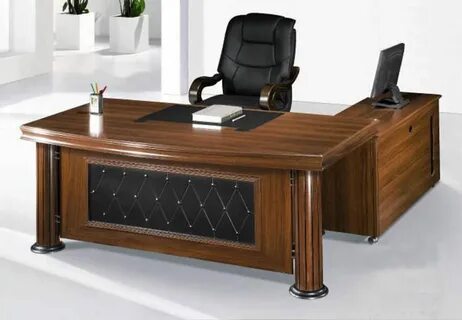
The modern workspace has evolved drastically over the past decade, and with it, office table design has undergone a complete transformation. What was once seen as a simple workstation has now become a symbol of productivity, creativity, and organizational culture. Today’s office tables are not only functional but also designed with ergonomics, aesthetics, and employee well-being in mind. Businesses now recognize that a well-thought-out office table design can directly impact efficiency, motivation, and even collaboration within the workplace.
From sleek minimalist styles to flexible modular setups, the new generation of office table designs combines innovation with purpose. Whether for individual work, teamwork, or meetings, the right table can completely redefine how professionals experience their workspace.
Why Office Table Design Matters
A carefully planned office table design is essential for fostering a productive and inspiring environment. It’s not just about having a place to put your laptop or documents—it’s about creating a comfortable and efficient space where employees can focus, collaborate, and feel inspired.
The right table affects posture, reduces clutter, and supports a healthy working rhythm. Ergonomics plays a vital role here; tables that are the correct height and shape help minimize strain on the neck, shoulders, and back. With employees spending long hours at their desks, having furniture that promotes comfort is no longer optional—it’s a necessity.
Moreover, the overall layout of an office benefits from consistent table design. Coordinated colors, textures, and finishes can make the entire workspace appear cohesive and professional. A good office table design also takes into account the available space, ensuring that even compact areas can be used efficiently without compromising comfort.
Key Features of an Effective Office Table Design
An excellent office table design combines practicality with aesthetics. While every organization’s needs are different, there are common features that define effective designs across industries.
Firstly, storage and organization are crucial. Modern office tables often incorporate built-in drawers, cable management systems, and hidden compartments to reduce clutter. This not only improves productivity but also gives the office a clean, organized look.
Secondly, durability and quality materials are essential. Tables made from high-quality wood, engineered boards, or metal frames ensure long-term reliability. Designers now use materials that are both sustainable and stylish, combining eco-consciousness with modern appeal.
Thirdly, adaptability has become a key factor. Adjustable-height tables and modular workstations are increasingly popular because they cater to the diverse needs of today’s workforce. Employees can switch from sitting to standing positions easily, promoting better posture and energy throughout the day.
Lastly, aesthetics can’t be ignored. A stylish office table can enhance the overall ambiance, making the workplace feel more inviting and motivating. Designs that incorporate sleek lines, neutral tones, and innovative textures fit perfectly into modern interiors, projecting professionalism and elegance.
The Rise of Ergonomic and Smart Office Table Design
One of the most remarkable trends in office table design is the growing emphasis on ergonomics and technology integration. Companies are now investing in tables that prioritize employee health and convenience. Ergonomic designs ensure that every element—from height to legroom—is optimized for comfort and posture.
Meanwhile, smart tables equipped with built-in charging ports, wireless charging pads, and adjustable surfaces are changing how we work. These tables allow seamless connection between digital devices, reducing cable clutter and enhancing workflow efficiency. Some designs even feature under-desk lighting and noise-reducing panels, helping create a focused and pleasant work atmosphere.
The shift toward ergonomic and smart designs highlights how office furniture is adapting to the digital age. Businesses understand that when employees are comfortable and technologically equipped, productivity naturally improves.
Office Table Design for Different Work Environments
The ideal office table design varies depending on the type of workspace. For executive offices, large desks with sophisticated finishes convey authority and professionalism. These often feature luxurious materials like hardwood or metal accents, creating a strong visual statement.
For collaborative spaces, modular tables that can be rearranged easily are perfect. They encourage teamwork, creativity, and fluid communication among employees. Such designs often have rounded edges and shared surfaces to promote inclusivity and openness.
In contrast, for compact offices or home setups, minimalist designs that maximize space efficiency are ideal. Foldable or wall-mounted tables are becoming increasingly popular for remote workers who need functional yet space-saving solutions. These designs reflect the modern shift toward flexibility and hybrid work models.
Conference rooms also benefit from innovative office table design. Large, durable tables with integrated power outlets and cable management systems create a professional environment for meetings and presentations. The right design ensures smooth communication and technological readiness, essential for today’s hybrid meetings.
Sustainability and the Future of Office Table Design
Sustainability is at the heart of modern office table design. With growing awareness of environmental issues, businesses are looking for furniture made from eco-friendly materials. Manufacturers now use recycled wood, metal, and non-toxic finishes to reduce their carbon footprint.
Additionally, sustainable design emphasizes durability—creating furniture that lasts for years without needing frequent replacements. Some companies even offer modular designs that can be easily repaired or upgraded, minimizing waste and maximizing value.
The future of office furniture lies in designs that balance sustainability, technology, and human-centered functionality. Designers are continually exploring innovative materials like bamboo, reclaimed wood, and lightweight alloys that combine strength with eco-consciousness.
How Office Table Design Influences Workplace Culture
The design of office furniture, especially tables, has a subtle but powerful effect on workplace culture. A thoughtfully crafted office table design can promote collaboration, communication, and creativity. Open tables with shared spaces encourage teamwork, while individual tables with privacy panels support focus and concentration.
A workspace that looks visually appealing and organized also boosts employee morale. It sends a message that the company values comfort and efficiency, which in turn fosters loyalty and motivation. When employees feel their environment supports them, their performance and job satisfaction naturally increase.
Moreover, the design of the office table reflects the company’s identity. Modern, innovative designs indicate forward-thinking values, while traditional styles may represent stability and professionalism. Choosing the right design can help businesses communicate their brand personality not only to employees but also to clients and visitors.
Conclusion
In the modern professional world, office table design plays a defining role in shaping productivity, collaboration, and comfort. The right table can transform a dull workspace into a thriving environment where innovation and efficiency flourish. As businesses continue to evolve, investing in ergonomic, sustainable, and stylish office tables is not just a design choice—it’s a strategic decision that supports long-term success. For those seeking to elevate their workspaces with designs that combine functionality, elegance, and quality, Office furniture remains a trusted name that represents excellence in workplace solutions.