 Introduction
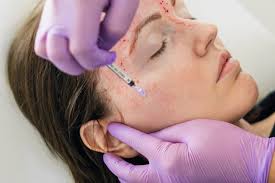
The medical aesthetics market is rapidly expanding as consumers increasingly seek professional solutions to enhance beauty, delay aging, and improve self-confidence. With the rise in demand, safety has become a top priority across all segments of the industry. Strengthened safety monitoring systems, strict regulatory policies, and standardized practices are shaping a more responsible and trustworthy ecosystem for both practitioners and patients. This growing focus on safety ensures that treatments offer predictable, reliable, and long-lasting results, ultimately boosting user confidence and encouraging wider adoption throughout the world.
Why Safety is Essential in Medical Aesthetics
Medical aesthetics treatments often involve interactions with the skin, muscles, and deeper tissue structures. Although many procedures are minimally invasive, they still require professional skills and precise execution. Any deviation from safety guidelines may cause negative outcomes such as infections, scarring, or allergic reactions. Therefore, global authorities and professional organizations have elevated safety benchmarks to protect patients and maintain ethical industry standards. By ensuring strong safety practices, the industry continues to attract first-time users who previously hesitated to undergo aesthetic procedures.
Global Regulatory Standards Elevating Market Quality
Government health agencies and pharmaceutical authorities worldwide have introduced strict approval processes for aesthetic products and technologies. Only devices and treatments that demonstrate proven safety and clinical effectiveness receive authorization for commercial use. Regulatory guidelines now cover everything from injectable substances and implant materials to laser equipment and chemical formulations. Adherence to regulatory compliance ensures consistency in treatment performance and reduces risks across clinics and medical aesthetic centers.
In addition, many countries mandate professional licensing requirements and ongoing education for practitioners. This ensures that those performing procedures are fully trained in the latest safety protocols and technologies, supporting high-quality clinical delivery.
Advanced Safety Monitoring Technologies Creating Trust
Digital transformation has introduced new safety-monitoring technologies that help professionals deliver safer treatments. Tools such as skin analyzers, imaging software, and AI-based risk assessment systems enable practitioners to evaluate patient conditions accurately before recommending a treatment. These tools also help customize procedures to suit specific skin characteristics, allergies, and aesthetic goals.
Real-time monitoring systems allow providers to track patient responses during and after procedures, ensuring quick intervention if any complications arise. The ability to record treatment data digitally also improves long-term medical tracking and contributes to stronger quality assurance in aesthetic care.
Improved Practitioner Training Ensures Reliable Application
The skill and knowledge of aesthetic practitioners play a crucial role in treatment safety. Training programs now require professionals to understand anatomy, product composition, infection-control practices, emergency response, and patient communication methods. Many clinics follow standardized operational protocols to ensure procedural accuracy. Continuous education workshops and certifications keep practitioners updated with the latest safety guidelines.
As more skilled experts enter the field, the medical aesthetics industry becomes more structured, organized, and dependable.
Product Quality Control Protecting Consumers
Manufacturers of medical aesthetics products are investing heavily in quality assurance measures. From sterile production environments to rigorous testing and packaging inspection, companies must demonstrate that their products meet international safety standards before reaching consumers. Ingredients are carefully selected to reduce allergic reactions, while formulation improvements minimize downtime and enhance comfort.
The rise in transparency allows consumers to feel confident about what is being used on their skin. Clear labeling and safety data empower informed decision-making and foster strong brand trust.
Post-Treatment Care Strengthening Long-Term Outcomes
Safety monitoring does not end once a procedure is completed. Clinics now emphasize proper aftercare protocols to ensure that healing progresses smoothly and results remain satisfactory. Follow-up consultations, digital tracking systems, and emergency helplines assist patients in reporting post-treatment concerns promptly.
Strong post-care guidance eliminates many complications and reinforces positive experiences, encouraging customers to return for additional treatments.
Rise in Non-Invasive and Low-Risk Procedures
Technological innovation has expanded the availability of non-surgical treatments such as injectables, light-based therapies, and skin rejuvenation techniques. These methods offer shorter recovery periods and fewer risks compared to traditional cosmetic surgeries. They are popular among individuals seeking subtle improvements with minimal discomfort and downtime. The consistent rise of such low-risk solutions promotes a safer industry environment and welcomes users from a broader age spectrum.
Consumer Awareness and Empowered Decision-Making
As safety information becomes more accessible online, consumers research treatments thoroughly before choosing a clinic. Reviews, certifications, before-and-after images, and transparency about risks all influence patient preferences. Platforms featuring expert advice and educational content are teaching consumers how to identify qualified professionals and safer products.
This culture of awareness pushes the market toward greater accountability, ensuring that practitioners must meet high safety expectations to remain competitive.
Stricter Safety Regulations Contributing to Market Growth
While some may assume that regulation slows innovation, the opposite is happening in the medical aesthetics market. Improved safety standards boost confidence, attract new users, and encourage repeat visits. People feel more comfortable trying aesthetic enhancements when they are assured that the methods are scientifically validated and legally supervised.
As a result, stronger regulations do not limit market expansion—rather, they drive continuous improvement, promote reliability, and increase consumer participation globally.
Future Outlook
The future of the medical aesthetics market will focus more deeply on patient well-being and risk prevention. As new materials, technologies, and personalized approaches emerge, safety systems will continue evolving to support these advancements. Automated AI diagnostics, smarter monitoring tools, and more thorough practitioner training will further empower the sector. The combination of innovation and responsible regulation will remain a core foundation for sustainable industry growth.
Conclusion
The medical aesthetics market is thriving due to enhanced safety monitoring and strict regulatory frameworks that ensure treatment reliability. Improved practitioner training, high-quality product development, and intelligent risk assessment technologies contribute to rising trust in aesthetic services. As awareness expands and safety practices strengthen globally, more consumers will confidently embrace medical aesthetic solutions to improve their appearance and overall well-being. These efforts together ensure that the industry remains ethical, dependable, and well-prepared for future advancements in global beauty enhancement.