EMTs and paramedics often race against the clock to assess and treat patients in critical conditions. Whether responding to a car accident or a traumatic injury, the first hurdle is frequently gaining access to the patient’s body.
Bulky clothing or protective gear can obstruct vital interventions like CPR or IV insertion. Here, trauma shears become indispensable, slicing through fabrics with speed and safety to expose injuries without causing further harm.
For professionals in the field, selecting reliable shears isn’t just about convenience. It’s about ensuring that every second saved could mean the difference between life and death, setting the stage for understanding the specialized design of these tools.
The Design Purpose Behind Medical Grade Cutting Tools
Medical-grade trauma shears are engineered specifically for the demands of EMS environments, prioritizing patient safety and operational efficiency over general-purpose scissors.
Unlike household shears, these tools feature serrated blades to grip and cut through tough materials like denim or even light metal, while rounded tips prevent accidental punctures to skin during rapid use. EMTs and paramedics rely on them not only for clothing removal but also for tasks like trimming bandages or opening packages in ambulances.
This purposeful design addresses the chaos of EMS scenarios, where tools must perform flawlessly under stress, naturally leading to an examination of how the blades themselves contribute to control and precision in these critical moments.
How Blade Construction Influences Control and Precision
The core of any trauma shear’s effectiveness lies in its blade construction, which directly impacts the user’s ability to make clean, controlled cuts without slippage or excessive force. High-quality stainless steel forms the base for durability and corrosion resistance, essential in moist or bloody conditions common in EMS work.
Serrations along one edge enhance grip on slippery fabrics, allowing paramedics to maintain precision even with gloved hands. For EMTs handling diverse calls, from urban rescues to rural incidents, blade strength ensures minimal flexing, reducing fatigue and error risks.
Grip Balance and Handling Under Repetitive Use
A well-balanced grip is crucial for EMTs and paramedics who may wield trauma shears dozens of times per shift, often in awkward positions or while multitasking. Non-slip handles minimize strain and provide leverage, enabling smooth operation without wrist fatigue.
In repetitive scenarios, such as mass casualty events or back-to-back calls, this balance prevents hand cramps and ensures consistent performance. Materials like textured plastic or rubber coatings enhance control in wet environments, allowing professionals to focus on patient care rather than tool slippage.
Thoughtful Gear Built Around Field Demands: MedTechKits
Behind well-balanced tools is a deeper focus on how EMS professionals use every item in their medkit during demanding conditions. MedTechKits was created to support EMTs and paramedics with equipment designed around real training needs and field routines rather than generic specifications.
The brand emphasizes practical construction, consistent handling, and dependable materials that hold up through repeated use. From students building their first kits to experienced responders refining their setup, MedTech Kits focuses on essentials that support confidence and readiness at every stage.
Titanium Coated 7.5 Inch Trauma Shears for Long Term Reliability
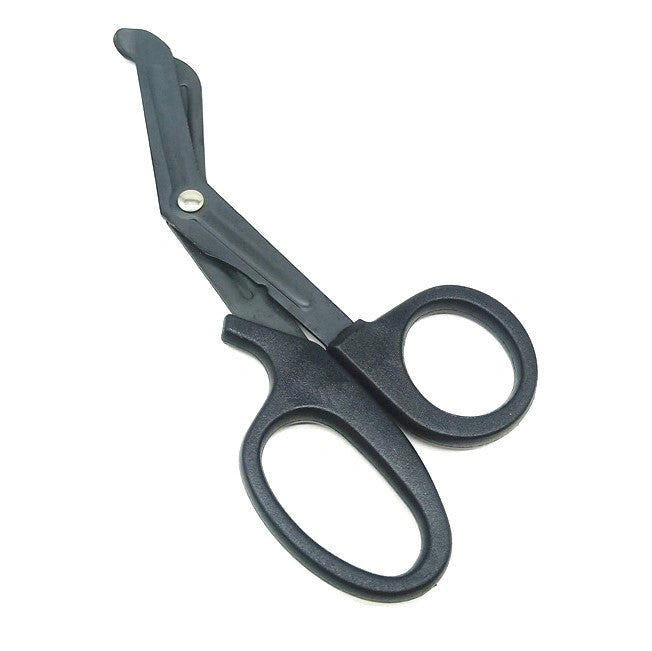
For EMTs and paramedics prioritizing durability in demanding roles, the 7.5-inch titanium-coated trauma shears from MedTech Kits stand out as a robust choice. These shears feature premium stainless steel blades enhanced with a titanium coating that resists wear and dulling over extended use.
The rounded tips and non-slip curved handles ensure safe, comfortable handling, making them ideal for prolonged shifts or frequent exposures to harsh conditions.
Stainless Steel 7.5 Inch Trauma Shears for Essential Readiness
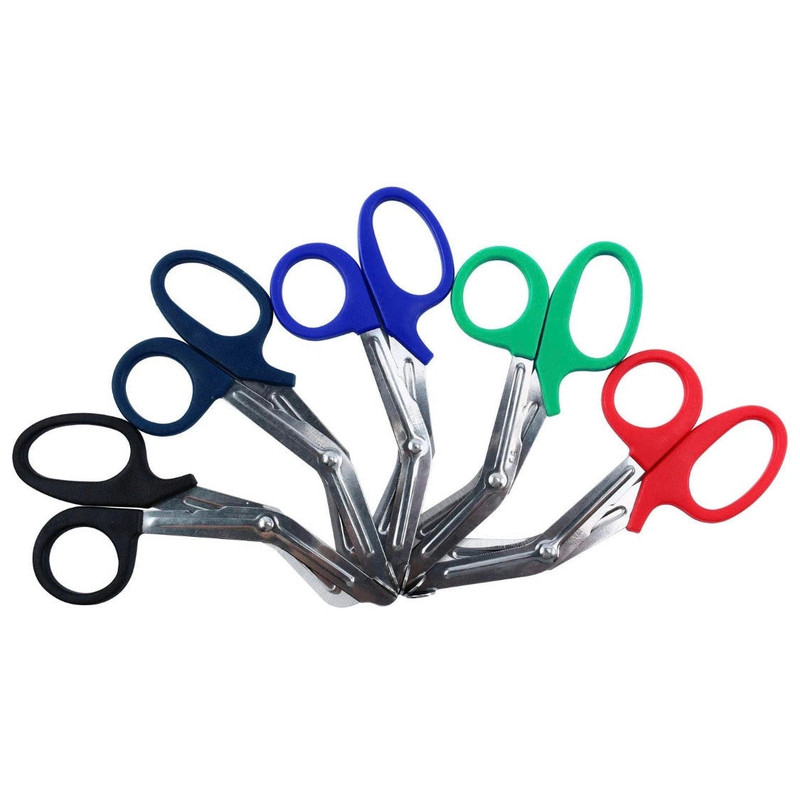
On the more accessible end of the spectrum, the 7.5-inch stainless steel emt shears from MedTech Kits deliver fundamental functionality for EMTs and paramedics entering the field or managing lighter workloads. Constructed from durable stainless steel with rounded tips and non-slip handles, they excel in basic cutting tasks.
Offered in multiple colors, these shears emphasize immediate availability, suiting beginners or as backups in kits. They provide reliable performance for essential readiness, prompting a deeper comparison of coated versus uncoated blades in everyday EMS applications.
Comparing Coated and Uncoated Blades in Daily EMS Use
When evaluating coated and uncoated blades for daily EMS use, the differences become evident in longevity and maintenance.
Titanium-coated shears available through MedTechKits offer superior resistance to rust and edge retention, ideal for paramedics in wet or scenarios where uncoated stainless steel variants may require more frequent sharpening.
Both share the 7.5-inch size and ergonomic features, but coated blades reduce replacement frequency. In broader discussions among EMS professionals, coated options are often favored for heavy-duty calls due to their premium feel and durability, while uncoated ones suffice for routine tasks.
Matching Shear Choice to Training Level and Call Frequency
EMTs and paramedics should match their shear choice to their experience and call volume to optimize performance. Novice EMT students or those with infrequent calls may find the stainless steel shears sufficient for building skills without overinvestment, as they handle basic training exercises effectively.
During lab sessions that include scenarios with a lifepak simulator, having dependable shears helps students practice full patient exposure and assessment workflows with confidence.
In contrast, seasoned paramedics facing high-frequency responses benefit from titanium-coated models, whose enhanced durability withstands rigorous use and minimizes downtime. Factors like team protocols and personal comfort also play a role, ensuring the tool enhances rather than hinders workflow.
A Smarter Approach to Equipping Your Medical Kit
Equipping a medical kit smartly involves selecting trauma shears that align with overall preparedness, balancing durability and suitability for EMTs and paramedics. Starting with essentials like the stainless steel option provides a low-barrier entry, while upgrading to titanium-coated shears as experience grows ensures long-term reliability.
For many students asking themselves what do i need for emt school, starting with dependable basics like trauma shears helps build confidence while keeping early gear decisions practical and affordable.
By prioritizing tools from reputable sources like MedTech Kits, professionals can build versatile kits that perform when it matters most, turning reactive gear choices into proactive investments in life-saving efficiency.
Frequently Asked Questions
Q1. Why are trauma shears essential for EMTs and paramedics in emergencies?
Trauma shears allow quick and safe removal of clothing or gear to expose injuries for assessment and treatment. In situations like accidents or cardiac events, delaying access can hinder life-saving interventions such as CPR or wound control, making reliable shears a key tool.
Q2. What advantages do titanium-coated trauma shears offer for long-term reliability?
The titanium coating on stainless steel blades enhances resistance to wear and dulling, making them ideal for prolonged shifts and frequent harsh conditions. Users often note their sturdy feel and confident performance in intensive EMS or training scenarios.
Q3. What makes medical-grade trauma shears different from regular household scissors?
Medical-grade shears prioritize patient safety with rounded, blunt tips to avoid skin punctures and robust construction for EMS use. Household scissors lack these features and may dull quickly or cause accidental injury.
Q4. Why is a non-slip, curved handle important for repetitive use in the field?
The ergonomic curved design and non-slip material reduce hand strain and fatigue during prolonged shifts or mass casualty events. This balance ensures smooth, consistent operation without cramps, allowing professionals to stay focused on patient care rather than fighting the tool.
Q5. How should EMTs or paramedics choose between coated and uncoated shears based on their experience level?
New students or those with infrequent calls often start with uncoated stainless steel shears for effective skill-building. Seasoned professionals in high-frequency roles benefit from titanium-coated models for superior durability and minimal downtime, aligning the choice with call volume and personal comfort.
Insights to Help Refine Your Setup
1. Everyday Stethoscopes for EMS: What to Look For and Why
2. Gear Up Right: How the EMS Backpack Makes Training Smooth