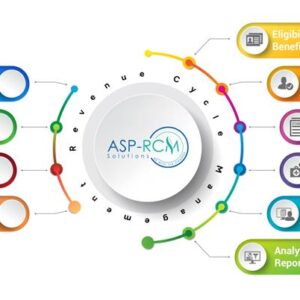
Efficient Revenue Cycle Management Services (RCM) is the backbone of every successful healthcare organization. Our RCM services streamline the complete financial workflow from patient registration and eligibility verification to medical coding, billing, denial management, and payment posting.We focus on reducing claim denials, accelerating reimbursements, and improving cash flow using advanced automation, compliance-driven processes, and expert billing teams. With transparent reporting and continuous performance optimization, we help healthcare providers achieve maximum revenue with minimum administrative burden.
Revenue Cycle Management Services: The New Backbone of Financial Success in Healthcare
In the rapidly evolving healthcare industry, financial stability is no longer guaranteed by offering good patient care alone. Hospitals, physician groups, and healthcare organizations are now under increasing pressure to manage growing administrative costs, complex payer rules, and rising patient out-of-pocket responsibilities. In this environment, Revenue Cycle Management (RCM) Services have emerged as a critical solution, helping providers maintain financial health while delivering seamless patient experiences.
Revenue Cycle Management represents the entire financial lifecycle of a patient—from the moment an appointment is scheduled to the final payment of the bill. A well-implemented RCM framework ensures accuracy, minimizes claim denials, speeds up reimbursement, and optimizes operational performance. With healthcare becoming more technology-driven, modern RCM is now smarter, faster, and more efficient.
What Is Revenue Cycle Management?
Revenue Cycle Management (RCM) is the coordinated process of managing administrative, financial, and clinical functions that contribute to capturing, managing, and collecting patient service revenue. It spans several essential steps including patient registration, insurance eligibility verification, medical coding, claims submission, denial management, and patient collections.
The goal of RCM is simple: to ensure that healthcare providers get paid correctly and on time. When RCM processes are streamlined, providers can reduce financial leakage, increase cash flow, and improve patient satisfaction.
Why RCM Services Matter More Than Ever in 2025
Healthcare organizations today are dealing with more financial and compliance challenges than ever before. A strong RCM system is no longer optional—it’s essential for survival.
1. Higher Claim Denials
Insurance companies are tightening their rules, and many providers face increasing denial rates due to errors in documentation, coding, and eligibility. RCM services detect issues early, submit clean claims, and prevent revenue loss.
2. Rising Administrative Costs
Manual processes consume time and resources. Outsourced RCM eliminates the need for large in-house billing teams and reduces operational expenses.
3. Complex Compliance Requirements
From HIPAA and CMS regulations to individual payer guidelines, compliance is more complicated than ever. RCM specialists ensure all claims follow the correct protocols.
4. Increase in Patient Responsibility
As high-deductible health plans grow, patients are now paying more out-of-pocket. RCM helps manage patient billing efficiently, ensuring transparency and improved collections.
Key Components of a Strong RCM System
A modern RCM workflow includes several interconnected steps, each contributing to a smooth financial process.
✔ 1. Patient Scheduling & Registration
Collecting accurate patient details upfront reduces errors during billing and speeds up claim approval.
✔ 2. Insurance Eligibility Verification
Verification ensures the patient has active coverage and confirms co-pays, deductibles, and benefits.
✔ 3. Medical Coding & Charge Capture
Certified coders translate clinical documentation into standardized codes, ensuring maximum reimbursement and compliance.
✔ 4. Claims Submission
Clean claim submission minimizes rejections and accelerates payment turnaround time.
✔ 5. Denial Management
A strong denial management strategy includes:
- Identifying denial causes
- Correcting errors
- Resubmitting claims
- Preventing future denials
✔ 6. Patient Billing & Collections
Clear statements, multiple payment options, and transparent communication improve patient satisfaction and collections.
✔ 7. Reporting & Analytics
Real-time RCM dashboards help healthcare providers visualize performance, reduce bottlenecks, and make smarter financial decisions.
Benefits of Outsourcing Revenue Cycle Management Services
Outsourcing RCM has become a strategic move for many healthcare organizations due to the following advantages:
1. Faster Reimbursements
RCM companies ensure claims are submitted correctly and followed up promptly, resulting in quicker payments.
2. Reduced Operational Costs
Outsourcing eliminates the need to hire, train, and maintain a full in-house billing team.
3. Improved Coding Accuracy
Certified coding experts ensure fewer errors, reducing compliance risks and boosting revenue.
4. Enhanced Patient Experience
Clear billing processes reduce confusion and build trust with patients.
5. Increased Focus on Patient Care
With RCM managed externally, providers can focus more on clinical quality rather than administrative tasks.
6. Scalability for Growing Practices
As a healthcare organization expands, RCM services scale accordingly—without operational disruptions.
How Technology Is Transforming RCM in 2025
The next generation of RCM is tech-driven. Automation, artificial intelligence, and analytics play a major role in improving efficiency.
🔹 AI-Powered Coding & Documentation
AI scans clinical notes and recommends accurate codes, reducing manual workload and errors.
🔹 Predictive Denial Management
Machine learning models identify claims likely to be denied and suggest corrections before submission.
🔹 Robotic Process Automation (RPA)
RPA handles repetitive tasks like eligibility checks and claim status updates, improving speed and accuracy.
🔹 Digital Patient Billing Platforms
Online payment portals and automated reminders improve patient collections and reduce administrative follow-ups.
Future of Revenue Cycle Management: What’s Next?
The future of RCM is centered around automation, interoperability, and patient-centric billing. As regulations evolve and healthcare becomes more consumer-driven, providers will rely more on data analytics, AI-driven workflows, and seamless digital tools.
Organizations that adopt modern RCM systems today will be better positioned for financial growth and operational excellence in the coming years.
Conclusion
Revenue Cycle Management Services are the backbone of financial success in the healthcare industry. By optimizing the entire billing lifecycle—from patient registration to final payment—RCM improves cash flow, reduces denials, enhances patient experience, and boosts overall efficiency.
In an increasingly competitive healthcare landscape, adopting a strong RCM strategy isn’t just beneficialit’s essential for long-term growth and stability.