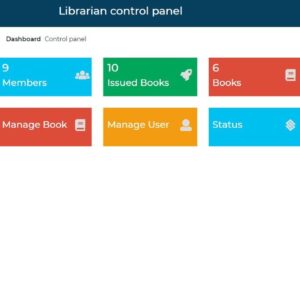
Libraries today are transforming from traditional book-lending spaces into dynamic learning environments that support study, research, collaboration, and digital access. As user expectations grow and footfall increases, managing library spaces efficiently has become a challenge. This is where an Online library booking system plays a crucial role. When integrated with Library automation software and a comprehensive Digital library solution, it enables libraries to operate smoothly, transparently, and efficiently.
This in-depth guide explains what an online library booking system is, how it works, its key features, benefits, and why it has become essential for modern libraries.
Understanding the Concept of an Online Library Booking System

An Online library booking system is a digital platform that allows users to reserve library facilities—such as seats, study desks, reading rooms, or computer terminals—before physically visiting the library. Instead of relying on manual registers, verbal requests, or first-come-first-serve methods, all bookings are handled online in real time.
Users can log in using their credentials, view availability, select a preferred time slot, and confirm their booking within minutes. This creates a structured and predictable library experience for both users and administrators.
Why Libraries Need an Online Booking System Today
Modern libraries face several operational challenges:
-
Overcrowding during peak hours
-
Uneven seat distribution
-
Long waiting times
-
High administrative workload
-
Lack of usage transparency
Manual systems struggle to manage these challenges effectively. An online booking system solves these issues by automating reservations and enforcing clear usage rules.
For students, professionals, and researchers, knowing that a seat or study space is reserved in advance saves time and reduces stress. For libraries, it ensures fair access and better control over resources.
How an Online Library Booking System Works
The system follows a simple yet powerful workflow:
-
User Login – Users log in using their library membership credentials.
-
Availability Check – Real-time seat or space availability is displayed.
-
Booking Selection – Users choose a seat and time slot based on rules set by the library.
-
Confirmation – The system confirms the booking and sends notifications.
-
Check-In and Check-Out – Usage is tracked automatically.
When supported by Library automation software, this workflow runs seamlessly without manual intervention.
Role of Library Automation Software in Booking Management
A booking system alone is helpful, but its true power is unlocked when integrated with Library automation software. Automation software connects booking data with other library operations such as:
-
Membership management
-
Book circulation
-
User authentication
-
Fine and rule enforcement
-
Reporting and analytics
This integration ensures that only authorized users can make bookings and that all data remains consistent across the system.
For example, if a user’s membership expires, the system can automatically restrict bookings without staff involvement.
Importance of a Digital Library Solution
A Digital library solution provides a complete online ecosystem for libraries. It includes digital catalogs, user dashboards, eResources, and sometimes remote access to academic materials.
When an online booking system is part of a digital library solution, users benefit from a unified experience. They can:
-
Search for books and journals online
-
Reserve seats before arrival
-
Track their booking history
-
Manage their library profile
This convenience significantly improves user satisfaction and engagement.
Key Features of an Online Library Booking System
An efficient booking system includes several essential features that ensure usability and reliability.
Real-Time Availability
Users can instantly see which seats or rooms are available. This eliminates confusion and unnecessary visits.
Time Slot Management
Libraries can define booking durations, peak-hour limits, and usage policies to ensure fair access.
Automated Notifications
Confirmation messages, reminders, and cancellation alerts reduce no-shows and improve communication.
Secure User Authentication
Only registered users can book, ensuring accountability and data security.
Automatic Seat Release
If a user fails to check in within a defined time, the system can release the seat for others.
Benefits for Library Users
From a user’s perspective, an Online library booking system offers multiple advantages:
-
Convenience and time savings
-
Guaranteed access to study space
-
Clear booking rules
-
Reduced waiting time
-
Improved planning for study sessions
This is especially valuable for students preparing for exams or professionals with limited time.
Benefits for Library Administrators
For library staff and administrators, the benefits are equally significant:
-
Reduced manual work
-
Better crowd control
-
Transparent booking records
-
Improved space utilization
-
Access to usage analytics
When paired with Library automation software, administrators can manage operations more efficiently and focus on service quality rather than logistics.
Data, Reports, and Decision-Making
One of the biggest advantages of digital booking is data. Booking systems generate valuable insights that help libraries make informed decisions.
Reports can show:
-
Peak usage hours
-
Most-used seats or rooms
-
Average booking duration
-
User behavior patterns
These insights allow libraries to adjust timings, expand seating, or improve infrastructure based on real demand.
Security and Data Protection
Security is a critical component of any Digital library solution. Online booking systems use secure login mechanisms, role-based access, and encrypted data storage.
Protecting user data builds trust and ensures compliance with data protection standards. Libraries can confidently adopt digital systems knowing that sensitive information is safeguarded.
Mobile Access and User Experience
Modern users expect mobile-friendly systems. A responsive Online library booking system allows users to book seats from their phones, tablets, or laptops.
A smooth user interface, fast loading times, and simple navigation significantly improve adoption rates. The easier the system is to use, the more likely users are to rely on it regularly.
Common Use Cases of Online Library Booking Systems
Online booking systems are used in various library environments:
-
Academic and university libraries
-
Coaching center reading rooms
-
Public libraries
-
Corporate knowledge centers
-
Research institutions
In each case, the goal remains the same: efficient space management and improved user experience.
Future of Online Library Booking Systems
As libraries continue to modernize, online booking systems will become a standard feature rather than an optional one. Future developments may include:
-
Mobile app integration
-
AI-based usage prediction
-
Smart notifications
-
Cloud-based scalability
Libraries that adopt an Online library booking system today, supported by Library automation software and a robust Digital library solution, will be better prepared for future growth.
Challenges and How Libraries Can Overcome Them
Some libraries hesitate to adopt digital systems due to concerns about cost, training, or user adaptation. However, these challenges can be addressed through:
-
User-friendly system design
-
Staff training and onboarding
-
Clear user instructions
-
Gradual implementation
The long-term benefits far outweigh the initial effort.
Conclusion
An Online library booking system is a digital solution that helps libraries manage space, time, and user access efficiently. When integrated with Library automation software and a complete Digital library solution, it transforms traditional libraries into organized, transparent, and user-friendly environments.
By adopting online booking systems, libraries can reduce operational challenges, improve user satisfaction, and prepare themselves for a smarter, technology-driven future.