Breastfeeding is one of the most nurturing experiences a mother can share with her baby.Even though it’s a natural process, every mom’s journey is unique. Some may experience sore nipples, flat or inverted nipples, or babies who have trouble latching on, especially if they were born too soon. Using a nipple shield can be advantageous in these situations, but still, many do not know how it works.
This guide dispels the myths surrounding the use of nipple feeding shields, shows you how to find the right size nipple shield, and tells you how well-known baby care brands like Pigeon make breastfeeding easier and more comfortable for both mother and baby.
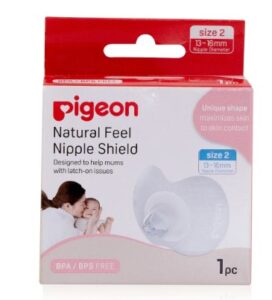
What Is a Nipple Shield?
A nipple shield is a very thin, soft silicone cover that is placed over the nipple when one breastfeeds. It protects the sore or cracked skin and helps the baby latch on better. Modern designs are very thin, flexible, and made from food-grade silicone to make sure that breast feeding is as natural as possible. They allow skin contact and support the continuation of breastfeeding rather than replacing it.
Common Myths and Facts About Nipple Shields
Myth 1: Nipple shields stop the flow of milk.
Fact: Nipple shields can’t stop milk production if used correctly. The key lies in a proper fit and a good latch. A nipple feeding shield that fits well lets milk flow naturally, which helps the baby feed well while stimulating milk production.
Myth 2: Babies become dependent on nipple shields
Fact: When babies are ready, they usually transition back to direct breastfeeding with ease. A nipple shield is simply a short-term support that helps during the initial challenges. With gentle guidance from a lactation consultant, mothers can gradually wean off the shield while maintaining a natural feeding rhythm.
Myth 3: Nipple shields are only for people who have problems with breastfeeding.
Fact: Even mothers who don’t have any major challenges can benefit from using a nipple shield for a short time, especially when their nipples are sore, swollen, or when they are switching from bottle to breast. It’s a flexible solution for various feeding needs.
Myth 4: All nipple shields are the same.
Fact: They differ in sizes and shapes, as well as designs. The right size nipple shield will make it comfortable to feed. A poor fit may cause latching problems or make the milk flow even slower. Pigeon’s Natural Feel Nipple Shield is an example of a high-quality shield, which is equally beneficial for the mother as well as the baby.
Myth 5: You aren’t really breastfeeding if you use a nipple shield.
Fact: Breastfeeding is not only feeding but also a very close contact with the baby. A nipple shield is like a helpful tool that simply makes the experience easier and more comfortable, thus helping mothers maintain a smooth and positive breastfeeding experience when they need a little extra support.
How to Choose the Right Size and Type of Nipple Shield
The best nipple shield for breastfeeding is one that fits well and feels safe. Here’s what to look for:
- Material: Pick soft silicone that doesn’t contain BPA and feels natural on the skin.
- Size: Choose one that fits your nipple size so that it stays on well.
- Shape: Some designs have cutouts for skin contact and closeness.
- Quality: Choose from well-known brands like Pigeon; their shields are made and tested by experts to make sure they are safe and will last a long time.
When Might a Mother Need a Nipple Shield?
Breastfeeding needs can vary for each mother. A nipple feeding shield may help when:
- The baby is premature or struggles to latch.
- The mother has flat, inverted, or sore nipples.
- There’s nipple pain due to cracks or sensitivity.
- The baby is transitioning between breast and bottle.
How Do Feeding Tools Support Daily Breastfeeding?
There are several things that can make feeding your baby every day a lot easier:
- Natural-shaped nipple feeding bottles help the babies to switch between breast and bottle without any confusion.
- Milk storage bags are a safe and convenient way to store expressed breast milk for later use.
- Manual breast pumps, which are BPA/BPS free, give mothers the option to express milk efficiently and provide flexibility in feeding times.
- Nipple shields enable the babies who need extra help latching to continue breastfeeding while having the help of their regular breastfeeding routines.
These tools don’t replace breastfeeding; they make it easier and cleaner.
Tips for Using a Nipple Shield Safely
To ensure both safety and comfort:
- Wash your hands thoroughly before use.
- Place the shield securely over your nipple, ensuring no air gaps.
- Check that your baby’s lips are flanged out properly while breast feeding.
- Clean and sterilise the shield after every use using a baby-safe cleanser.
- Seek advice from a lactation expert if the baby struggles to latch or feed effectively.
With these simple steps, mothers can maintain hygiene and comfort while ensuring their babies receive all the nutrition they need.
Final Thoughts
Each breastfeeding journey is different. The use of a nipple shield does not mean the breastfeeding relationship is any less special; it just gives support and comfort right when they are most needed. Trusted brands like Pigeon provide thoughtfully designed products, including nipple shields, feeding bottles, and cleansers, that are thoughtfully designed products made with safety and quality in mind.
Ultimately, breastfeeding is not a question of perfection; it is about connection instead. It doesn’t matter whether the shield is used for a few days or a few weeks, what matters the most is that the baby feels loved, fed and close to mother.
FAQs
- What are some essential but often overlooked baby feeding accessories?
Baby feeding accessories such as nipple shields and breast pumps are often overlooked but play an important role in supporting comfortable and effective feeding. - How do these feeding accessories help make daily feeding easier? They simplify cleaning, reduce discomfort, and make feeding safer and more efficient, helping parents focus more on bonding with their baby.