Menstrual cramps are something most women experience at some point in their lives. The pain, discomfort, and uneasiness that come with periods can interfere with daily activities and leave one feeling tired and low on energy. Although over-the-counter medicines are available, many women prefer natural ways to ease the pain. If you are looking for simple, safe, and effective menstrual cramps relief methods, this blog will guide you through proven natural remedies and helpful tips that truly make a difference.
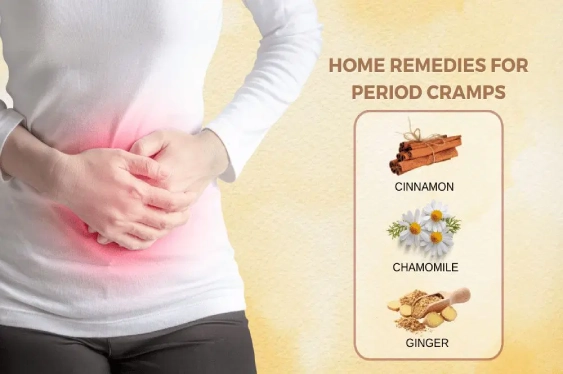
Understanding Menstrual Cramps
Menstrual cramps, also called dysmenorrhea, occur when the muscles of the uterus contract to help shed its lining during menstruation. These contractions can cause pain in the lower abdomen, back, and thighs. Some women may experience mild cramps, while others deal with severe pain that lasts for several days.
The main cause of this discomfort is the release of hormone-like substances called prostaglandins. Higher levels of prostaglandins can lead to stronger uterine contractions, resulting in more intense pain. Factors such as stress, poor diet, lack of exercise, and certain health conditions like endometriosis can make cramps worse.
Common Symptoms of Menstrual Cramps
While symptoms vary from person to person, the most common signs include:
- Dull or throbbing pain in the lower abdomen
- Pain that radiates to the lower back or thighs
- Nausea or vomiting
- Headaches or dizziness
- Fatigue or weakness
- Digestive issues like bloating or diarrhea
Understanding your body and tracking these symptoms can help you choose the right natural remedy that suits your needs.
1. Apply Heat to Ease the Pain
One of the simplest and most effective home remedies for menstrual cramps is using heat. Applying a hot water bag or heating pad on your lower abdomen relaxes the uterine muscles and improves blood flow, reducing pain instantly.
You can also try taking a warm bath for additional comfort. The soothing warmth helps calm the mind and body, offering quick relief from cramps and tension.
Tip: Avoid placing very hot objects directly on the skin—wrap them in a cloth to prevent burns.
2. Stay Hydrated and Eat Right
Dehydration can make menstrual pain worse. Drinking plenty of water helps reduce bloating and muscle tightness. Warm fluids such as herbal teas or soups can be particularly comforting.
In addition to fluids, a balanced diet plays a major role in achieving menstrual cramps relief. Include:
- Fruits and vegetables: Especially those rich in magnesium, calcium, and potassium.
- Omega-3 fatty acids: Found in flaxseeds, chia seeds, and fish—these help reduce inflammation.
- Whole grains: Brown rice, oats, and quinoa provide steady energy.
- Avoid: Excess caffeine, salty snacks, and processed foods as they can worsen bloating and discomfort.
3. Herbal Teas for Comfort
Certain herbal teas are known for their natural pain-relieving properties. They not only relax muscles but also help balance hormones and improve mood.
Some effective options include:
- Ginger tea: Reduces inflammation and soothes cramps.
- Chamomile tea: Has anti-inflammatory and calming effects.
- Peppermint tea: Helps relieve muscle spasms and reduce nausea.
- Fennel tea: Eases bloating and relaxes uterine muscles.
Enjoying one or two cups daily during your period can make a noticeable difference in your comfort level.
4. Gentle Exercise and Yoga
While it may be tempting to rest all day, light physical activity can actually help relieve cramps. Exercise increases blood flow and releases endorphins—the body’s natural painkillers.
Some effective exercises for menstrual pain relief include:
- Walking: Improves circulation and reduces bloating.
- Stretching: Helps relax tight muscles.
- Yoga poses: Such as the Child’s Pose, Cat-Cow Stretch, or Supine Twist can ease tension in the lower abdomen and back.
Tip: Avoid intense workouts during heavy flow days. Gentle movements are usually more beneficial.
5. Massage with Essential Oils
A soothing abdominal massage using essential oils can work wonders for menstrual pain. Oils like lavender, clary sage, and rosemary are known to reduce muscle tension and improve relaxation.
To try this:
- Mix a few drops of your preferred essential oil with a carrier oil like coconut or almond oil.
- Gently massage it on your lower abdomen for about 5–10 minutes.
The warmth from the massage combined with the natural aroma of oils helps calm both the body and mind.
6. Get Enough Rest and Sleep
Fatigue and stress can make cramps feel worse. Ensuring you get enough sleep during your menstrual cycle is essential. Rest helps balance your hormones and allows your body to recover from the strain of monthly changes.
Try relaxing before bedtime by listening to calming music, practicing deep breathing, or reading. A good night’s sleep helps you wake up feeling more refreshed and less achy.
7. Try Magnesium and Vitamin Supplements
Nutrients like magnesium, calcium, and vitamin B1 are known to help reduce menstrual pain naturally. They support muscle function and reduce cramping intensity.
Foods rich in magnesium include bananas, avocados, leafy greens, and nuts. However, if your diet lacks these nutrients, you can consult a healthcare provider before starting supplements.
8. Practice Stress-Relief Techniques
Emotional stress often worsens physical pain. Managing stress through relaxation techniques can make a big difference in how you experience menstrual discomfort.
Some helpful methods include:
- Meditation: Calms the mind and reduces anxiety.
- Deep breathing exercises: Improves oxygen flow and relaxes muscles.
- Listening to music: Helps distract from pain and uplift your mood.
Staying mentally relaxed helps the body cope better with menstrual changes.
9. Reduce Caffeine and Alcohol Intake
Caffeine and alcohol can tighten blood vessels and worsen cramping. Reducing or avoiding them during your period can help minimize pain and bloating.
Instead, choose natural alternatives such as herbal teas, fruit-infused water, or coconut water for hydration and comfort.
10. When to See a Doctor
While mild to moderate cramps are common, severe or prolonged pain may be a sign of an underlying condition like endometriosis, fibroids, or pelvic inflammatory disease.
- You should consult a doctor if you notice:
- Cramps that last longer than 3–4 days
- Pain that interferes with daily activities
- Heavy bleeding or irregular cycles
- Symptoms like fever, nausea, or dizziness
Seeking medical advice ensures proper diagnosis and care, especially when home remedies don’t bring relief.
Conclusion
Menstrual pain is a natural part of a woman’s life, but it doesn’t have to control your days. With these natural tips and remedies, you can achieve quick and effective menstrual cramps relief in the comfort of your home. Small lifestyle changes—like staying hydrated, applying heat, doing gentle yoga, or sipping soothing teas—can make your period days much easier to handle.
For those who continue to experience severe or recurring pain, it’s important to seek guidance from experienced healthcare professionals. Dispur Polyclinic and Hospitals Pvt Ltd offers comprehensive women’s health services and expert medical advice to help you manage menstrual issues safely and effectively. Remember, your comfort and well-being deserve attention every month—listen to your body and care for it naturally.