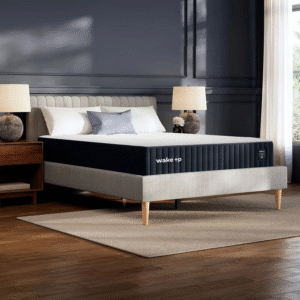
Minimalist and maximalist decor are two distinct interior design approaches, yet they share the same ultimate goal: creating visually appealing, comfortable, and meaningful spaces. Interestingly, many decor items and materials can be used in both styles. Custom cushions, for example, fit seamlessly into minimalist as well as maximalist interiors. The difference lies not in what you use, but how you use it.
Your home should be a reflection of who you are. Whether you prefer bold statements, simple elegance, or layered textures, the decor you choose should speak about your lifestyle and personality. When your space feels authentic, that’s when design truly comes alive.
Understanding Minimalist and Maximalist Decor
Before blending or choosing between these styles, it helps to understand what defines them.
Minimalist decor focuses on simplicity, clean lines, and functionality. It emphasizes open spaces, neutral color palettes, and intentional decor choices. Every item has a purpose, and clutter is kept to a minimum. The result is a calm, airy environment that promotes clarity and relaxation.
Maximalist decor, on the other hand, celebrates abundance and expression. It thrives on bold colors, layered textures, patterns, artwork, and statement pieces. Instead of “less is more,” maximalism embraces the idea that “more is more”—when done thoughtfully.
Despite their differences, both styles can feel equally sophisticated and welcoming when executed well.
Can You Blend Minimalist and Maximalist Styles in One Room?
While it’s often easier to stick to one decor style to avoid confusion, blending minimalist and maximalist design in a single room is absolutely possible. The key lies in controlled contrast.
Start with a minimalist foundation. This means using neutral wall colors, open layouts, and simple furniture pieces. A clean base allows the room to breathe and prevents it from feeling overwhelming. Once this foundation is in place, you can layer in maximalist elements strategically.
For instance, you might add:
-
A bold accent wall or wallpaper
-
Statement lighting or artwork
-
Layered textiles such as patterned rugs or custom cushions
-
High-contrast color combinations
The idea is to let a few standout elements shine without overpowering the entire space. This balance allows you to enjoy the best of both worlds—calm structure with expressive detail.
Which Decor Style Works Best for Small Rooms?
When it comes to small rooms, minimalist decor generally works better. Limited space can easily feel cramped or cluttered when too many decorative elements are introduced. Minimalism fosters openness by prioritizing clean lines, light colors, and smart storage solutions.
That said, this doesn’t mean small rooms must feel boring. You can still incorporate subtle maximalist touches through accents. A contrasting cushion, a textured throw, or a striking piece of wall art can add character without overwhelming the room.
The trick is moderation. Choose one or two focal points and let the rest of the space remain visually light.
The Role of Textiles in Minimalist and Maximalist Interiors
Textiles play a powerful role in shaping the mood of any interior, especially in minimalist and maximalist designs where color and texture are crucial.
In minimalist interiors, textiles are often neutral and understated. Think beige, cream, grey, or soft pastels. Custom cushions in solid colors or subtle textures add comfort without distracting from the overall simplicity.
In maximalist spaces, textiles become bold design tools. Dark-colored leather cushions, richly patterned fabrics, or vibrant hues add visual weight and depth. Layering different materials—such as velvet, leather, linen, or wool—creates a dynamic and inviting atmosphere.
Even the choice between solid colors and striking patterns can dramatically alter the perception of a room. Textiles allow you to experiment with style without committing to permanent changes.
Does Furniture Influence Minimalist and Maximalist Design?
Absolutely. Furniture plays a crucial role in defining both minimalist and maximalist interiors. Everything in a room must work together to achieve a cohesive aesthetic.
In minimalist design, furniture is typically sleek, functional, and uniform in scale. Clean silhouettes and consistent finishes maintain visual harmony. Oversized or mismatched furniture can disrupt the balance and make the space feel chaotic.
In maximalist design, furniture may vary in size, shape, and style, but it still needs to feel intentional. Statement sofas, vintage chairs, or bold tables can coexist beautifully when balanced with complementary elements.
Regardless of the style, furniture scale matters. Even the most beautiful wallpaper, chandelier, or wall accents won’t shine if the furniture feels out of proportion. Adding custom leather pillows or thoughtfully chosen cushions can help tie furniture pieces into the overall decor theme.
Are Neutral Colors Limited to Minimalist Decor?
Neutral colors are often associated with minimalist decor, but they are by no means exclusive to it. While neutrals form the backbone of minimalist interiors, they also serve as grounding elements in maximalist spaces.
In maximalist design, neutral tones help balance bold furniture, vivid patterns, and decorative accents. They provide visual rest and prevent the room from feeling overwhelming. A neutral sofa paired with colorful cushions or a calm wall color behind a vibrant gallery wall is a perfect example of this balance.
Neutrals act as a canvas, allowing other design elements to stand out more effectively.
How to Maintain Balance When Redecorating
Maintaining balance is essential, regardless of the decor style you choose. One effective approach is to use symmetry and color consistency as guiding principles.
If you introduce a bold or dramatic item, offset it with something subtle nearby. For example, if your home’s exterior features a bold color and is complemented by a sun lounge, choosing neutral-colored cushions for your sun loungers can restore visual balance.
Repetition also helps. Repeating colors, textures, or materials throughout the space creates cohesion and prevents the design from feeling scattered.
Choosing the Right Style for Your Personality
Minimalist design often appeals to busy professionals seeking calm, order, and simplicity. It creates a serene environment that reduces visual noise and promotes relaxation.
Maximalist design, on the other hand, is ideal for creative, expressive, and extroverted personalities. It allows for storytelling through decor, showcasing collections, memories, and bold preferences.
However, there are no rigid rules. Many homeowners find themselves somewhere in between. With options like custom cushions, wallpapers, textiles, and furniture pieces, you can craft a style that is uniquely yours.
Final Thoughts
Minimalist and maximalist decor may appear opposite, but both offer powerful ways to express individuality. Whether you choose simplicity, bold expression, or a thoughtful blend of both, the ultimate objective remains the same: creating a space that reflects who you are.
When your home tells your story—through color, texture, and carefully chosen details—that’s when design truly succeeds.