Marine smoke detector selection matters for safety and compliance on Dubai vessels. This guide explains types, standards, installation, and local supply options. Read it to make confident, survey-ready decisions.
TL;DR:
- Choose certified marine smoke detector models built for salt, humidity, and vibration.
- Photoelectric and multi-sensor units work best in accommodation and public spaces.
- Request SOLAS/IMO certification and manufacturer test reports before purchase.
- Local Dubai installers offer design, installation, commissioning, and AMC support.
What is a Marine Smoke Detector?
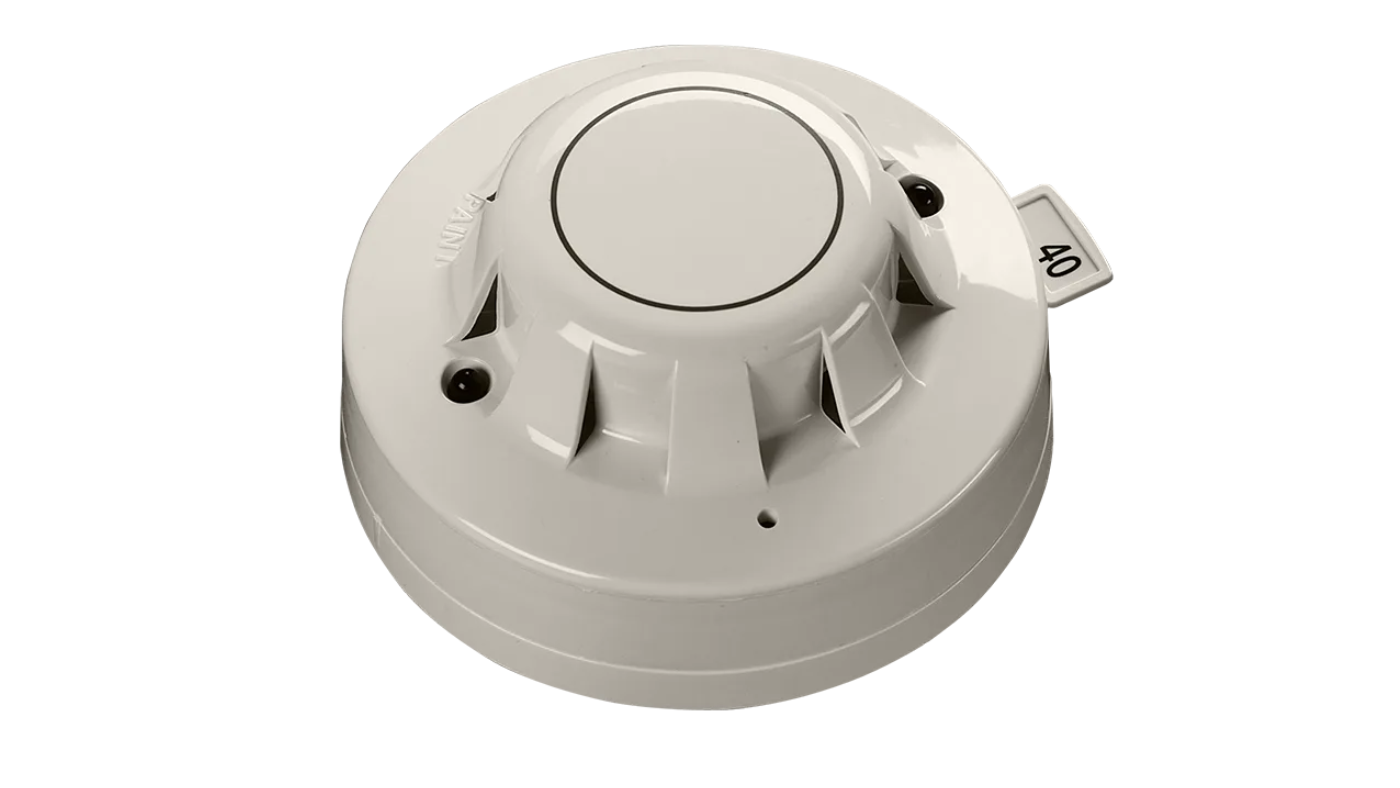
A marine smoke detector is a smoke sensor built for shipboard conditions. It resists salt spray, humidity, and continuous vibration. It forms part of an IMO/SOLAS compliant fire detection system.
How it differs from a standard detector
Marine units use corrosion-resistant materials and robust mounting. They include marine-grade seals and approved electronics. Typical land models lack these protections and may fail at sea.
Types of Marine Smoke Detectors
There are several detector technologies for vessels. Each has strengths for specific vessel zones.
Photoelectric (Optical)
Photoelectric detectors sense visible smoke particles. They work well in cabins and corridors. Use them where slow, smouldering fires are likely. They offer low false alarm rates.
Ionisation
Ionisation detectors respond fast to flaming fires. Use them where rapid combustion risk exists. Many modern marine systems prefer optical or multi-sensor units over ionisation.
Multi-sensor and Hybrid
Multi-sensor detectors combine smoke and heat sensing. They reduce false alarms and improve detection speed. They are common in engine control rooms and machinery spaces.
Aspirating and Duct Detectors
Aspirating systems sample air and detect very low smoke concentrations. Duct detectors protect HVAC passages and prevent smoke spread. Both integrate with ship ventilation and alarm panels.
Compliance & Standards (SOLAS, IMO, ISO, UAE)
Compliance is mandatory for commercial vessels and many yachts. Look for SOLAS and IMO references in product data sheets.
Use the IMO fire protection resource for rules and guidance: IMO Fire Protection. Verify SOLAS requirements via IMO materials: SOLAS overview.
Certificates to ask for
Request manufacturer certificates showing SOLAS or IMO approvals. Ask for test reports, EN/ISO or LR/ABS class approvals. Keep copies for flag state inspections.
Installation, Design & Integration
Correct placement and integration reduce risk and survey delays. Install detectors per vessel plans and manufacturer guidance.
Where to place detectors on a vessel
Place detectors in accommodation, corridors, bridge, machinery spaces, and cargo holds. Use duct detectors in HVAC trunks. Avoid mounting near vents or cooking appliances without dedicated kitchen detectors.
Integration with fire panels and suppression
Marine smoke detectors typically link to addressable or conventional fire panels. Addressable systems give precise device location and fault diagnosis. Integrate detection with suppression systems for enclosed spaces like engine rooms.
Conventional vs Addressable systems
Conventional systems group detectors into zones. Addressable systems identify each detector individually. Use addressable systems on larger vessels for faster response and easier maintenance.
Performance, Maintenance & Reducing False Alarms
Marine environments cause sensor drift and corrosion. Regular maintenance keeps detection reliable and reduces false alarms.
Operating in salt, humidity and vibration
Choose detectors with marine-grade coatings and vibration-rated mounts. Replace compromised devices promptly. Keep spare units and extra seals on board.
Testing intervals and service
Test detectors monthly and perform annual calibration and full system testing. Many owners use third-party annual maintenance contracts for surveys and commissioning.
Reducing false alarms
Use multi-sensor detectors in galleys and accommodation. Adjust sensitivity and use pre-alarm settings where allowed. Proper placement and routine cleaning are vital.
Buying & Local Suppliers in Dubai / UAE
Dubai has several suppliers who specialise in marine fire detection. Choose vendors who provide supply, installation, and aftercare.
Where to buy and local services
Al Ghwasa supplies marine fire detection systems and provides installation and AMC services. See their marine offering here: Al Ghwasa marine fire detection systems. Local vendors often handle surveys and flag-state paperwork.
Costs and warranties
Expect unit costs to vary by technology and approval level. Budget extra for panels, cabling, and installation. Ask for warranty and onboard spare policies.
Choosing the Right Marine Smoke Detector
Pick detectors by vessel type, zone risk, and required approvals. Use this checklist when specifying units.
- Confirm SOLAS/IMO approvals and class society acceptance.
- Choose materials rated for salt and humidity exposure.
- Prefer addressable units for larger vessels.
- Specify duct and aspirating systems where needed.
- Ask for local installation and AMC support in Dubai.
Summary
Choose a marine smoke detector that combines certified approvals, marine-grade construction, and correct technology for each zone. Work with a Dubai supplier who offers design, installation, and AMC support to keep systems survey-ready. Proper selection and maintenance protect crew, assets, and compliance status at sea.
FAQs
What is the best detector type for ships?
Photoelectric or multi-sensor detectors work best across most ship spaces.
Are battery detectors allowed on SOLAS ships?
Battery-only alarms are not acceptable for SOLAS-mandated systems; panel integration is required.
How often should detectors be tested?
Perform monthly functional tests and annual calibration or full system tests.
Which certificates should buyers request?
Ask for SOLAS/IMO approval, class society acceptance, and manufacturer test reports.