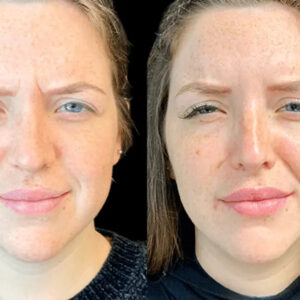
This article explores how Halo treatment compares with chemical peels, focusing on effectiveness, depth of treatment, results, recovery, and the types of skin concerns each method addresses. Understanding these differences will help you decide which option aligns best with your skincare goals.
What Halo Treatment Involves
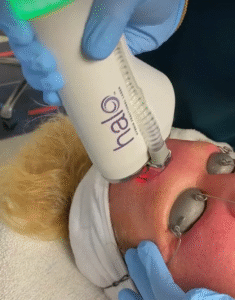
Halo is a hybrid fractional laser procedure that delivers two types of energy in one session:
-
Surface‑level energy targets the outer skin layer, helping refine texture and reduce uneven tone.
-
Deeper‑penetrating energy stimulates the body’s natural collagen production, which strengthens structural support beneath the skin.
The combination of surface refinement and deeper stimulation allows Halo to address issues both at the skin’s surface and within deeper support layers, making it a robust choice for a range of concerns.
What Chemical Peels Do
Chemical peels use carefully formulated solutions applied to the skin to encourage controlled exfoliation. Depending on the strength of the peel:
-
Light peels help smooth mild roughness and brighten appearance.
-
Medium peels work deeper into the skin to address more noticeable unevenness or pigmentation.
Peels help remove dull, damaged surface cells, allowing fresher skin to emerge. The outcome tends toward a smoother, more even look primarily at the surface level.
Unlike laser treatments, chemical peels rely on controlled chemical exfoliation rather than focused energy delivery.
Depth and Range of Treatment
One of the key differences between Halo and chemical peels is how deeply each method works:
Halo Treatment:
Halo’s laser energy reaches below the skin’s surface to stimulate the dermal layer where collagen and elastin reside. This deeper action not only smooths the surface but also promotes structural improvements that support firmness, elasticity, and long‑term texture enhancement.
Chemical Peels:
Chemical peels are confined mostly to the outer skin layers. Their depth depends on the strength of the solution used. Light and medium peels primarily address surface irregularities and mild signs of aging. While they can improve superficial texture and glow, their impact on deeper structural issues like deeper lines or scar‑related texture variations is limited.
In terms of depth, Halo’s combination of surface and deeper action typically reaches areas that peels do not, making it a more comprehensive option for multi‑layer rejuvenation.
Suitability for Different Concerns
Both treatments address visible skin concerns, but they are better suited for different purposes:
Halo Treatment Can Help With:
-
Texture irregularities including fine lines and mild creases
-
Uneven tone and superficial discoloration
-
Collagen stimulation and rebuilding for firmer skin
-
Sun‑damaged areas and more complex signs of aging
-
Pore refinement and gradual structural improvement
Chemical Peels Are Often Used For:
-
Refreshing dull complexion
-
Mild roughness and surface texture smoothing
-
Superficial pigmentation and minor uneven tone
-
Occasional revitalization without deep structural change
In general, chemical peels shine when the goal is surface renewal and a brighter complexion. Halo is often chosen when deeper rejuvenation — not just surface polishing — is desired.
Results and Progression Over Time
Halo Results
Halo treatment offers a layered improvement process. Initial changes such as smoother texture and a more radiant look may be visible shortly after recovery. Over the following weeks to months, deeper collagen activity continues, gradually enhancing firmness, elasticity, and overall resilience. Results evolve, often appearing more refined over time.
Chemical Peel Results
Chemical peels offer faster visible change at the surface. The skin may look brighter and smoother within a few days after the peeling phase completes. These changes are typically most noticeable soon after healing, but they do not involve the deeper structural shifts that laser‑based treatments promote.
While both options improve skin appearance, the nature of the improvements varies. Halo’s layered impact often appears more sustained and structural, whereas peels focus on refreshing the surface for shorter‑term glow and refinement.
Recovery and Convenience
Recovery experiences differ between these two modalities:
-
Chemical Peels:
The recovery phase varies by peel strength. Light peels may involve minimal peeling and downtime. Medium peels often result in a few days of flaking as the older surface layer sheds. The intensity of recovery typically correlates with the strength of the peel. -
Halo Treatment:
Halo involves a multi‑layer healing response. The surface may show temporary redness, light flaking, and sensitivity, but these typically resolve within a week. Beneath the surface, the rejuvenation process continues gradually, with deeper improvements taking place over weeks.
Whether one prefers a shorter superficial peel recovery or a slightly longer multi‑phase laser recovery depends on lifestyle, goals, and tolerance for temporary post‑treatment changes.
Customization and Personalization
Both Halo and chemical peels can be tailored to individual needs:
-
Halo: Laser settings can be adjusted to focus more on surface or deeper layers, depending on what you want to improve and your skin’s characteristics.
-
Chemical Peels: Solutions come in varying strengths, with light, medium, or deeper exfoliation levels based on desired outcome and skin type.
However, because Halo acts in two layers simultaneously, it offers a broader range of customized effects within a single session compared with typical peels, which mainly adjust only how deep the surface damage goes.
Frequently Asked Questions
Which is better for deep wrinkles?
Halo’s deeper stimulation can provide more comprehensive improvement for deeper lines compared with surface‑only peels.
Are peels gentler than Halo?
Chemical peels tend to be gentler on the surface and may involve less initial sensation, while Halo delivers energy into deeper layers. “Gentle” doesn’t necessarily mean more effective — it depends on your goals.
Can both be used together?
Yes, in some regimens peels and laser treatment may be scheduled in a complementary way, but a tailored plan is important to avoid over‑treatment.
How soon will I see results?
Peels often show visible surface changes within a few days after peeling completes. Halo shows surface improvements early, with deeper changes evolving over weeks to months.
Conclusion
Deciding whether Halo treatment is “better” than chemical peels depends on individual goals:
-
If surface refresh, mild brightening, and minimal downtime are the priority, chemical peels are a strong choice.
-
If multi‑layer rejuvenation, deeper structural improvement, and longer‑lasting enhancements are the focus, Halo offers a more comprehensive solution.
Halo and chemical peels aren’t direct substitutes but rather tools with overlapping yet distinct strengths. Understanding what you want to improve — whether it’s surface clarity or deeper texture and tone — helps determine which option aligns best with your skin goals.