Undergoing a Tummy tuck in Abu Dhabi, or abdominoplasty, is a significant decision that requires careful preparation to achieve safe and effective results. Patients in the city can access advanced surgical care, but success depends not only on the procedure itself but also on how well one prepares before, during, and after surgery. This article outlines essential steps for preparing for a tummy tuck, from initial consultations to post-surgery planning, helping ensure a smooth process and optimal outcome.
Understanding Tummy Tuck Surgery
Tummy tuck surgery focuses on removing excess abdominal skin and fat while tightening the underlying muscles. It is often pursued after significant weight loss, pregnancy, or natural aging when the abdominal area has become stretched or loose. Unlike weight-loss procedures, a tummy tuck primarily reshapes and tones the midsection to create a smoother, firmer appearance.
Preparing for the surgery properly is crucial for safety, faster recovery, and long-lasting results.
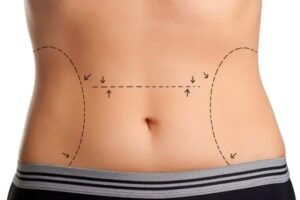
Initial Consultation and Assessment
The first step in preparing for a tummy tuck is scheduling a thorough consultation with a qualified surgical team. During this assessment:
-
The surgeon evaluates your abdominal area, skin elasticity, and muscle condition.
-
Your medical history, current medications, and overall health are reviewed to identify any risk factors.
-
Expectations and goals are discussed to ensure realistic outcomes.
This consultation also helps determine whether a full, mini, or modified tummy tuck is most appropriate for your body type and desired results.
Pre-Surgery Health and Lifestyle Adjustments
Several health and lifestyle steps can improve surgical outcomes and reduce recovery complications:
-
Maintain a stable weight: Significant weight fluctuations after surgery can affect results. Achieving and maintaining a healthy weight prior to surgery is ideal.
-
Balanced diet and hydration: Eating nutritious meals and staying hydrated supports healing and overall well-being.
-
Avoid smoking and alcohol: Smoking can impair blood flow and slow healing, while alcohol may interfere with anesthesia and recovery.
-
Exercise: Gentle exercise can strengthen muscles and improve circulation, but avoid strenuous workouts immediately before surgery.
Medications and Supplements
Certain medications and supplements can increase bleeding risk or interfere with anesthesia. It is important to:
-
Inform your surgeon about all prescription and over-the-counter medications you take.
-
Avoid medications that can increase bleeding, such as aspirin or certain anti-inflammatory drugs, if advised by your surgical team.
-
Discuss supplements or herbal remedies, as some may affect healing.
Preparing Your Home and Support System
Having a comfortable recovery environment and support system can make post-surgery healing smoother:
-
Arrange for help: Plan for someone to assist you during the first few days after surgery, especially with daily tasks and movement.
-
Create a recovery space: Prepare a comfortable area with easy access to essentials, including water, snacks, medications, and entertainment.
-
Stock up on supplies: Compression garments, gauze, and any recommended post-surgery products should be ready before your procedure.
Pre-Surgery Instructions
Your surgical team will provide specific instructions in the days leading up to your tummy tuck, which may include:
-
Fasting guidelines for anesthesia.
-
Showering or cleansing routines using antiseptic solutions.
-
Wearing loose, comfortable clothing to the surgery center.
-
Avoiding skincare products or lotions on the abdominal area on the day of surgery.
Following these instructions carefully reduces the risk of complications and ensures a smoother experience in the operating room.
Mental and Emotional Preparation
Preparing for surgery is not only physical but also mental. A positive mindset and realistic expectations contribute to a smoother recovery:
-
Understand the timeline for healing and the gradual appearance of results.
-
Be aware of temporary post-surgery changes, such as swelling, bruising, and mild discomfort.
-
Set realistic goals for your post-surgery body to maintain satisfaction with your results.
Planning Post-Surgery Recovery
Recovery planning is an essential part of preparation. Patients should:
-
Schedule time off work and limit physical activity for the recommended period.
-
Arrange follow-up appointments to monitor healing and progress.
-
Plan a gradual return to exercise and daily routines, as advised by the surgical team.
Proper preparation for post-surgery care helps ensure optimal results and reduces the risk of complications, allowing patients to enjoy the benefits of a smoother, firmer abdomen sooner.
FAQs
How long should I prepare before tummy tuck surgery?
Preparation typically begins several weeks before surgery, including health optimization, lifestyle adjustments, and planning for recovery support.
Can I continue taking medications before surgery?
Some medications may need to be paused or adjusted. Always discuss all prescriptions and supplements with your surgical team well in advance.
Do I need someone to help me after surgery?
Yes. Having a support person during the initial recovery phase is strongly recommended for safety and comfort.
Should I change my diet before surgery?
A healthy, balanced diet and proper hydration support healing and overall health, which can positively influence surgical outcomes.
How can I mentally prepare for surgery?
Understanding the procedure, recovery timeline, and expected results helps manage expectations and reduce anxiety. Maintaining a positive mindset is also beneficial.