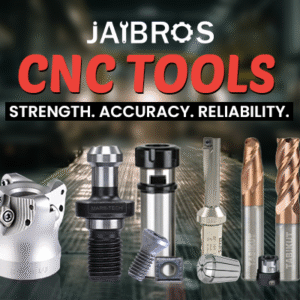
Learn why carbide cutting tools are trusted in modern workshops for high-speed machining, durability, heat resistance, and precise cutting of hard metals.
What Makes Carbide Tools Special
Carbide tools are much harder than regular steel tools. They can work at higher cutting speeds without losing shape. This helps machines complete work faster and with better surface finish. Heat resistance is another major benefit. When metal is cut, heat is produced. Carbide materials can handle this heat better than many other tool materials.
Another reason carbide tools are popular is their long tool life. Since they wear slowly, tool changes are less frequent. This helps workshops reduce downtime and maintain consistent quality. A carbide cutter is also known for giving clean and smooth cuts, which reduces the need for extra finishing work.
Types of Carbide Cutting Tools Used in Industry
Carbide cutting tools come in many forms depending on the job. Some are used for milling flat surfaces, while others are used for drilling holes or shaping metal edges. Solid carbide tools are made fully from carbide material and are often used where high accuracy is required.
Indexable carbide tools use replaceable inserts. When one edge wears out, the insert can be turned or replaced. This saves time and reduces waste. Both solid and indexable tools are widely used in CNC machining, depending on the application and material being cut.
Solid Carbide Tools and Their Uses
Solid carbide tools are commonly used for high-precision jobs. Because the entire tool is made of carbide, it is very rigid. This helps reduce vibration during cutting. Less vibration means better accuracy and longer machine life.
These tools are often used for cutting hard metals like stainless steel, cast iron, and alloys. A carbide cutter in solid form is especially useful when tight tolerances and smooth finishes are required. They are widely seen in die making, mold work, and detailed machining tasks.
Where Carbide Tools Are Commonly Used
Carbide tools are used in many industries. Automobile manufacturing uses them for engine parts and gear components. The aerospace industry uses carbide tools to cut strong but lightweight metals. Tool rooms and job shops also depend on carbide tools for daily machining work.
In CNC machines, carbide tools help maintain consistent results even during long production runs. Because they last longer, they help reduce tool change frequency. This improves productivity and ensures uniform quality across all parts.
How to Choose the Right Carbide Tool
Choosing the right tool depends on the material being cut, machine type, and job requirement. Hard materials need tougher tools, while softer metals can be cut using different tool geometries. Coatings on carbide tools can also improve performance by reducing friction and heat.
Tool size, cutting angle, and flute design also matter. Using the correct tool helps avoid tool breakage and improves cutting efficiency. A well-chosen carbide cutter can improve both speed and accuracy in machining operations.
Tool Life and Maintenance Tips
Even though carbide tools are strong, proper use is important. Correct cutting speed and feed rate should be followed. Excessive force or wrong settings can cause chipping or breakage. Keeping tools clean and storing them properly also helps extend their life.
Coolant use can reduce heat and improve tool performance. Regular inspection helps detect wear early. By following good practices, workshops can get the best value and performance from carbide tools.
Understanding Cost Without Focusing on Price
The cost of carbide tools depends on quality, design, and application. While they may cost more than basic steel tools, their long life and performance often make them more economical in the long run. Fewer tool changes and better finish reduce overall machining cost.
Instead of focusing only on carbide tools price, workshops should look at total value, tool life, and job quality. A durable carbide cutter often proves more efficient over time compared to cheaper alternatives.
Why Carbide Tools Are a Smart Choice
Carbide tools support modern machining needs. They handle high speed, tough materials, and long working hours. Their reliability makes them suitable for both small workshops and large factories.
With proper selection and usage, a carbide cutter helps improve productivity, accuracy, and overall machining quality. This is why carbide cutting tools continue to be an important part of industrial manufacturing.
Where Can You Get Quality Workshop Tools?
Jaibros is a reliable place for workshop and industrial tool needs because it focuses on quality, accuracy, and practical use. The platform offers a wide range of measuring and machining tools that are suitable for daily workshop work, inspection tasks, and training use. Products are clearly listed with proper details, making it easier for users to choose the right tool for their requirement. Jaibros is known for supporting machinists, technicians, and industries by providing tools that help improve measurement accuracy and work efficiency without confusion.
Frequently Asked Questions (FAQs)
- What materials can carbide cutting tools handle?
They can cut steel, stainless steel, cast iron, and many hard alloys. - Are solid carbide tools better than steel tools?
Yes, they last longer and perform better at high speed. - Can carbide tools be used on CNC machines?
Yes, they are widely used in CNC machining for accuracy and durability. - Do carbide tools need special maintenance?
Basic care like correct speed, coolant use, and proper storage is enough. - Why do workshops prefer carbide tools today?
Because they give longer tool life, better finish, and consistent results.