Buying the best Second hand ECU can save hundreds versus a new unit. This guide helps owners and DIY mechanics pick a reliable used engine control unit and avoid common pitfalls.
TL;DR
- Used second hand ECU cut costs but require verification, VIN/programming checks, and a solid return policy.
- Inspect part numbers, test logs, and immobilizer compatibility before purchase.
- Prefer sellers who bench-test modules and offer at least a 30-day warranty.
What is an ECU in a car?
In short, an ECU controls the engine and related systems. The electronic control unit manages fuel injection, ignition timing, and emissions control.
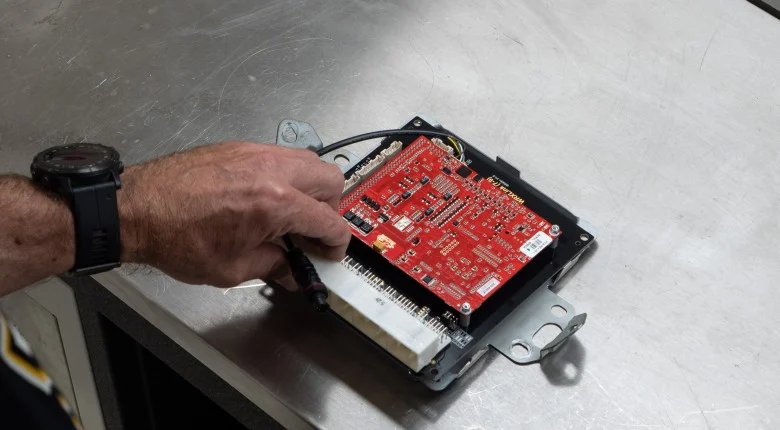
An ECU is the car’s engine control module that processes sensor data and sends actuator commands. Compatibility depends on VIN, engine code, and immobilizer setup. An ECU with a different VIN may not start the car.
Quick fact: Modern ECUs contain microcontrollers and stored maps used by your engine.
Read a technical overview on Wikipedia for deeper background.
Why consider a used ECU?
Used ECUs offer steep savings for older vehicles. You can often save several hundred dollars compared with new or remanufactured units.
Example: a used Dodge Ram ECU can list around $1,323, while new units exceed $1,600. That difference matters for budget repairs.
Used units suit cars out of warranty and owners who can handle programming needs.
How to pick the best Second hand ECU
Start with a clear checklist before you buy. Use this checklist to reduce risk and confirm compatibility.
- Match OEM part numbers and hardware revisions exactly.
- Confirm VIN compatibility when immobilizers exist.
- Ask for bench test results or live-running removal proof.
- Verify the seller’s warranty and return window.
- Prefer sellers who supply unlock or programming options.
Tip: Ask the seller for photos of the sticker and serial number before ordering.
For a vetted source of used and reman modules, see Automan Spare Parts, which lists tested units removed from working cars. Buying the best Second hand ECU can save hundreds versus a new unit. This guide helps owners and DIY mechanics pick a reliable used engine control unit and avoid common pitfalls.
Compatibility: VIN, engine, and programming
Compatibility depends on VIN, engine code, and immobilizer setup. An ECU with a different VIN may not start the car.
Some ECUs require module-to-car programming that validates keys and immobilizer data. *Programming can add labor costs.*
Get a shop quote for programming before you buy a module without VIN matching.
Ask the seller for photos of the sticker and serial number before ordering.
Testing and warranty expectations
Expect at least a basic bench test or live-running confirmation. Many reputable sellers offer 30 to 365 day warranties.
Seller claims matter. Ask for written test results and return procedures before purchase.
Automan Spare Parts states units come from functioning vehicles and ships quickly within the United States.
Common ECU failure symptoms and diagnostics
Look for these clear signs of ECU trouble. They help you decide whether a used ECU is the right fix.
- Persistent check engine light with strange codes.
- Car cranks but will not start reliably.
- Random stalling, misfires, or wildly fluctuating idle.
- Poor fuel economy and incorrect sensor readings.
Use an OBD2 scanner to capture codes before purchasing a replacement module.
Where to buy the best Second hand ECU
Choose reputable sellers, specialist recyclers, or remanufacturers. Avoid sellers without test proofs or returns.
Good options include certified salvage yards, specialist online stores, and trusted marketplaces with seller ratings.
Do not rely solely on auction listings. Verify part numbers, ask for test data, and confirm programming options.
For a tested parts catalog and fast US shipping consider Automan Spare Parts. Check national safety notices about electronic components at NHTSA.
Repair vs. buying a used ECU
Repair can be cheaper for socket-level faults. Buying used often suits full-module failures or cost-sensitive cases.
Repair shops can replace failed components and update EEPROM data. Used units save time when programming is straightforward.
Choose repair if the ECU housing is damaged or the failure is intermittent and component-level work looks viable.
Summary
Used ECUs deliver value when you confirm compatibility, testing, and returns. Verify part numbers, ask for bench tests, and plan for programming costs.
Short plan: diagnose, confirm exact part fit, verify seller tests, then buy from a reputable source.
FAQ
What is an ECU in a car?
An ECU is the engine control module that manages fuel, ignition, and emissions systems.
Can I use any second-hand ECU in my car?
No. You must match the part number, hardware revision, and immobilizer/VIN requirements.
Do used ECUs need programming?
Many do. Programming is often required for immobilizer and vehicle-specific settings.
How reliable are used ECUs?
Reliability varies. Prefer units with bench tests and at least a 30-day warranty.
Where can I find tested used ECUs quickly?
Specialist suppliers and verified salvage sellers supply tested modules with US shipping options.