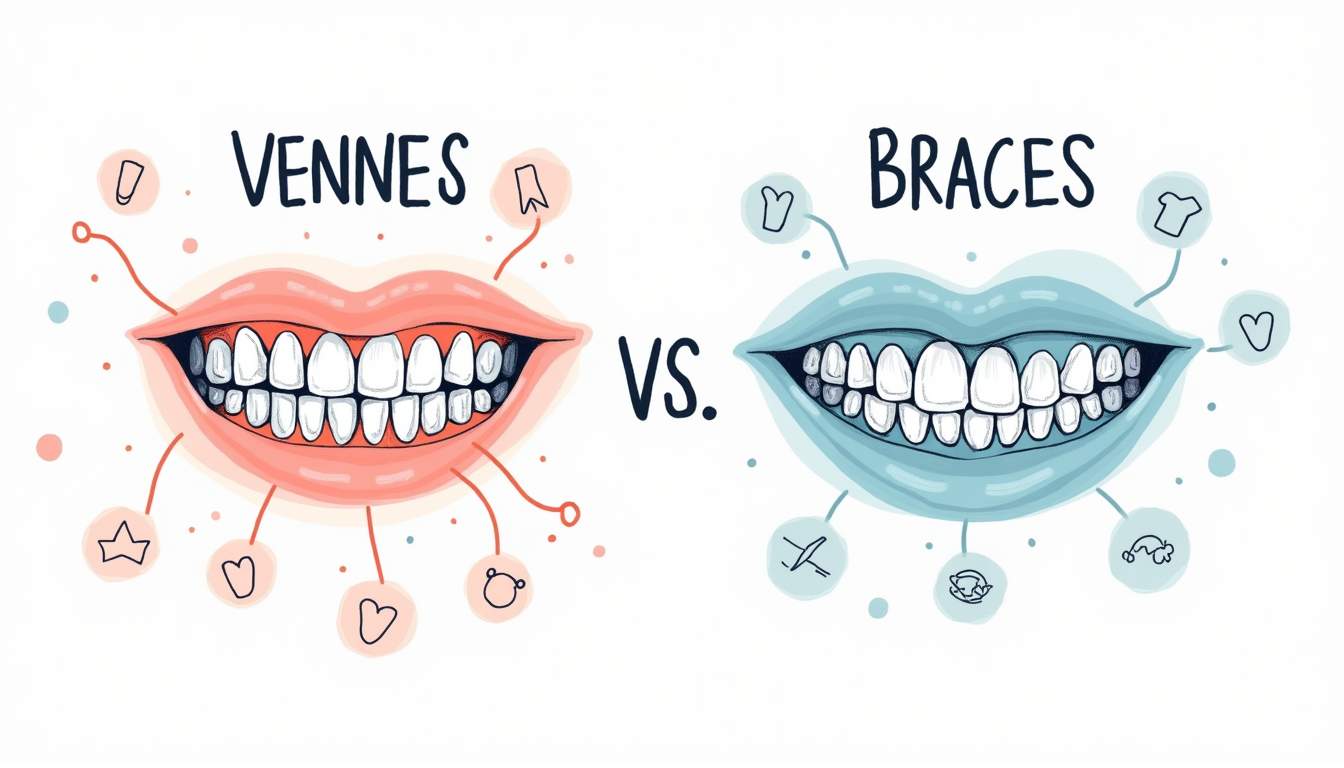
Imagine looking in the mirror and feeling completely confident with your smile. Whether it’s straightening crooked teeth or covering stains and chips, the right dental treatment can make a huge difference. But when faced with options like veneers and braces, how do you decide which path to take? Both have their perks, but they serve different purposes and come with unique considerations.
This guide will help you break down the key factors to consider when choosing between veneers and braces, so you can align your choice with your personal dental goals.
Understanding What Veneers and Braces Actually Do
What Are Veneers?
Veneers are thin shells, usually made of porcelain or composite resin, that are custom-made to fit over the front surface of your teeth. They’re designed to improve the appearance of your teeth by covering imperfections such as discoloration, chips, gaps, or minor misalignments.
Because veneers are primarily cosmetic, they don’t move or straighten teeth. Instead, they mask issues to create a flawless smile. The process typically involves removing a small amount of enamel to make room for the veneer and then bonding it permanently to the tooth. This procedure is often completed in just a couple of visits to the dentist, making it a convenient option for those looking to enhance their smile quickly. For those in the area, choosing a trusted dentist castle hill ensures high-quality care throughout the veneer process.
In addition to their aesthetic benefits, veneers can also provide a layer of protection for your teeth against further damage. They are highly stain-resistant, which means that individuals with veneers can enjoy their favorite foods and beverages without worrying as much about discoloration. Furthermore, the versatility of veneers allows them to be used in a variety of situations, from correcting minor imperfections to creating a complete smile makeover. With proper care, veneers can last for many years, making them a worthwhile investment for those seeking a brighter, more confident smile.
What Do Braces Do?
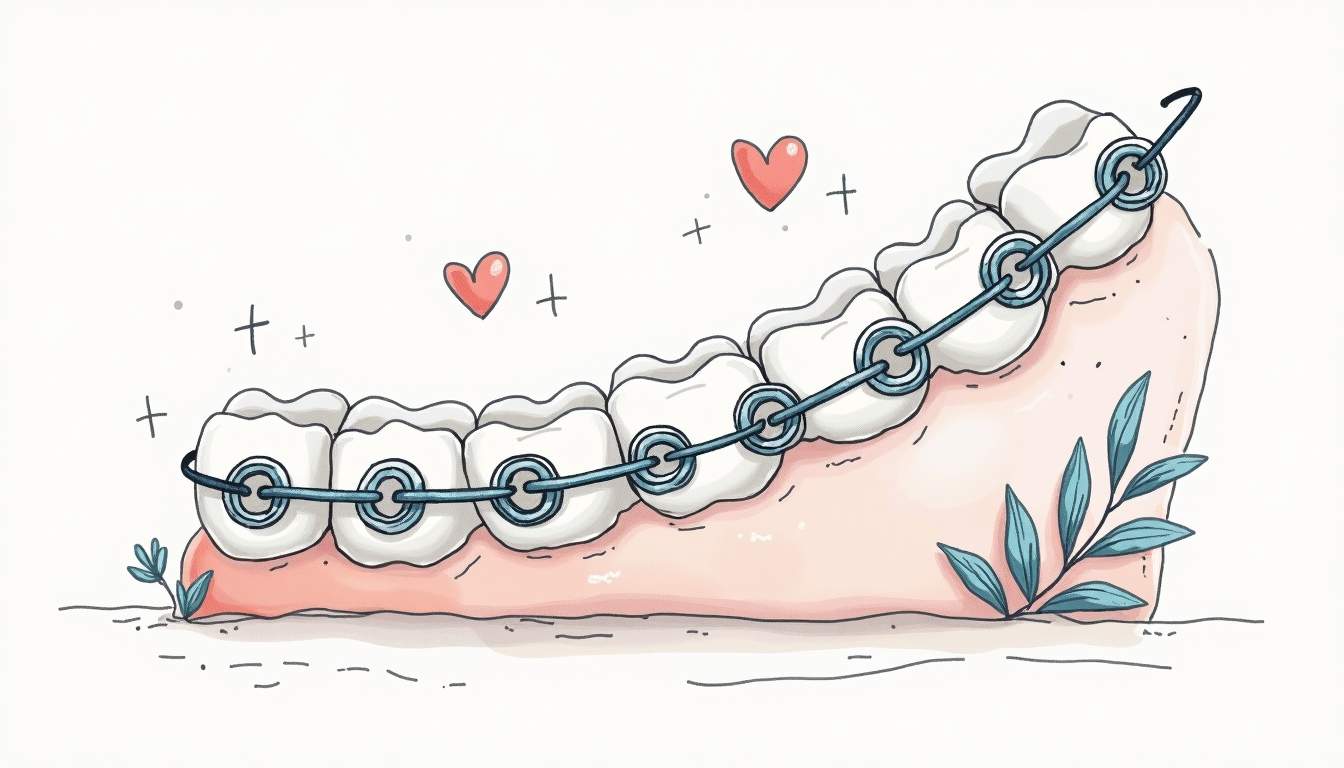
Braces are orthodontic devices that physically move your teeth into better alignment over time. They can correct crooked teeth, overcrowding, gaps, and bite issues like overbites or underbites. Braces apply gentle pressure to teeth, gradually shifting them into the desired position.
There are several types of braces, including traditional metal brackets, ceramic braces, and clear aligners like Invisalign. Treatment duration varies but usually lasts from several months to a few years, depending on the complexity of the case. The choice of braces can also depend on personal preference, lifestyle, and specific dental needs. For instance, while metal braces are highly effective and often the most affordable option, ceramic braces offer a more discreet appearance, and clear aligners provide the ultimate in convenience and aesthetics.
Moreover, the journey with braces often includes regular visits to the orthodontist for adjustments and monitoring of progress. During these appointments, the orthodontist can make necessary changes to the wires or bands, ensuring that the teeth are moving as planned. This ongoing care is crucial, as it helps to achieve optimal results and can even shorten the overall treatment time in some cases. Additionally, many patients find that the experience of wearing braces fosters a greater awareness of oral hygiene, as maintaining clean teeth and gums becomes even more essential during this transformative period.
Assessing Your Dental Goals
Are You Looking for Cosmetic Improvement or Structural Correction?
This is the most important question to ask yourself. If your main concern is the appearance of your smile-such as whitening, covering chips, or closing small gaps-veneers might be the faster, less invasive solution.
On the other hand, if your teeth are significantly misaligned, crowded, or if you have bite problems that affect chewing or jaw health, braces are the better choice. They address the root cause by repositioning your teeth and improving function, not just appearance. It’s essential to consider not only how you want your smile to look but also how it affects your overall dental health. Misalignment can lead to uneven wear on your teeth, jaw pain, and even headaches, so addressing these issues can have a profound impact on your quality of life.
How Much Time Are You Willing to Invest?
Veneers can often be completed in just a few dental visits, sometimes within a couple of weeks. This makes them appealing for those seeking a quick transformation.
Braces require a longer commitment-treatment can last anywhere from 6 months to 3 years. Plus, there are regular orthodontic appointments for adjustments. If you’re ready for a long-term process that reshapes your smile naturally, braces are worth the wait. Additionally, many patients find that the journey of wearing braces helps them develop a greater appreciation for their smile as they witness the gradual changes. This process can also foster a sense of community among those undergoing similar treatments, as sharing experiences and tips can make the journey more enjoyable.
What Is Your Budget?
Cost is a practical consideration. Veneers tend to be more expensive upfront because each veneer is custom-made and requires skilled craftsmanship. The price varies depending on the number of teeth treated and the material used.
Braces can also be costly, especially if you opt for clear aligners or ceramic braces. However, many insurance plans cover orthodontic treatment partially, which can make braces more affordable over time. It’s also worth exploring financing options that some dental practices offer, allowing you to spread the cost over several months. Additionally, consider the long-term value of both treatments; while veneers may provide immediate aesthetic benefits, braces can lead to improved oral health and function, potentially saving you money on future dental issues.
Pros and Cons of Veneers
Advantages of Veneers
Veneers offer an instant smile makeover. They can dramatically improve the color, shape, and size of your teeth in a short time. For people with healthy teeth who want to hide imperfections without orthodontic treatment, veneers are a great option.
They’re also stain-resistant, especially porcelain veneers, which means your bright smile can last for years with proper care. Plus, veneers require less maintenance than braces since there are no brackets or wires to clean around.
Drawbacks to Consider
Veneers are irreversible because a thin layer of enamel is removed to fit them. If you’re someone who prefers a natural approach or worries about permanent changes, this might be a dealbreaker.
They don’t fix bite problems or severe misalignment. If your teeth are crooked or your bite is off, veneers might look good initially but won’t address the underlying issues, which could lead to future dental problems.
Also, veneers can chip or crack if you bite down on hard objects or grind your teeth, so a nightguard might be necessary if you have bruxism.
Pros and Cons of Braces
Advantages of Braces
Braces provide a comprehensive solution to dental alignment and bite correction. They improve not only the look of your smile but also its function, which can positively impact oral health and overall well-being.

Modern braces are more comfortable and less noticeable than ever. Clear aligners offer a nearly invisible option that can be removed for eating and cleaning, making them popular among adults and teens alike.
Drawbacks to Consider
The treatment timeline is longer, which requires patience and commitment. During this period, you’ll need to adjust your eating habits and oral hygiene routine to avoid damage or decay around brackets and wires.
Some people find braces uncomfortable, especially after adjustments. There’s also the social aspect-some may feel self-conscious about wearing braces, although this has become less of a stigma over time.
When Veneers Make Sense
Minor Cosmetic Issues
If your teeth are mostly straight but have discoloration, small chips, or tiny gaps, veneers can quickly create a uniform, bright smile. They’re ideal for people who want to avoid the lengthy process of orthodontics.
Single or Limited Teeth Treatment
Sometimes, only a few teeth need improvement. Veneers allow targeted treatment without affecting the rest of your teeth, making them a practical choice for localized cosmetic fixes.
Desire for a Quick Smile Makeover
For special occasions like weddings or important events, veneers offer a fast way to enhance your smile. The process can be completed in just a few appointments, delivering immediate results.
When Braces Are the Better Choice
Significant Misalignment or Bite Issues
If your teeth are crowded, crooked, or your bite causes discomfort or difficulty chewing, braces are necessary to correct these problems effectively. Veneers won’t address these functional concerns.
Long-Term Oral Health
Properly aligned teeth are easier to clean and less prone to decay and gum disease. Braces improve not just aesthetics but also the health and longevity of your teeth and gums.
Natural Teeth Preservation
Braces work with your natural teeth without removing enamel. For those who want to avoid irreversible procedures, orthodontics is a safer, more conservative approach.
Combining Veneers and Braces: Is It Possible?
Sometimes, the best solution involves both treatments. For example, braces can first correct major alignment issues, and then veneers can be applied to perfect the color and shape of teeth. This approach maximizes both function and aesthetics.
Consulting with a dentist or orthodontist can help determine if a combined treatment plan fits your needs and timeline.
Questions to Ask Your Dental Professional
- What are the best options for my specific dental issues?
- How long will each treatment take?
- What are the costs involved, including follow-up care?
- Are there any risks or side effects I should be aware of?
- How will each option affect my lifestyle and daily routine?
Getting clear answers will help you make an informed decision that aligns with your goals and expectations.
Final Thoughts
Choosing between veneers and braces boils down to understanding what you want to achieve with your smile. Veneers offer a quick, cosmetic fix for minor imperfections, while braces provide a long-term solution for alignment and bite problems. Both have their place in modern dentistry, and the right choice depends on your individual needs, budget, and timeline.
Taking the time to evaluate your dental goals and consulting with a trusted professional will set you on the path to a smile you’ll be proud of for years to come.