Summary
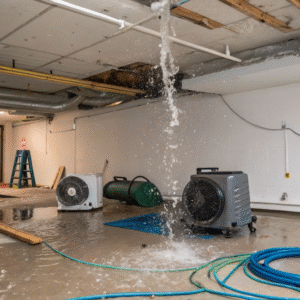
Water damage often feels urgent, but the true consequences of waiting are not always visible right away. The speed at which homeowners respond can determine how extensive repairs become, how long recovery takes, and how much disruption follows. While Cary and Apex are close geographically, differences in housing patterns, drainage, and construction can influence how quickly action is needed after water damage.
–
Introduction
Water damage rarely announces how serious it is in the first few hours. A damp floor, a stained ceiling, or a small leak can look manageable at first glance. Many homeowners assume they can wait a day or two before taking action. That short pause is often where small issues quietly turn into widespread problems. Moisture does not stay where it starts. It spreads into materials, behind walls, and beneath surfaces long before visible signs appear. Understanding how fast to act, and why timing matters can make a meaningful difference in how smoothly recovery unfolds.
Why Response Time Matters More Than Most Homeowners Realize
Once water enters a home, the clock starts immediately. Building materials absorb moisture at different rates, and some damage progresses invisibly. Drywall, insulation, and wood framing can hold moisture long after surfaces feel dry. Early response is not just about cleanup; it is about stopping hidden movement that leads to larger structural and environmental concerns. This is why professional guidance is often recommended early, even when damage seems limited.
What Happens in the First 24 Hours After Water Exposure
During the first day, moisture begins migrating through porous materials. Floors can trap water underneath, wall cavities can hold damp insulation, and ceilings may conceal slow saturation from above. According to the U.S. Environmental Protection Agency (EPA), materials that remain wet beyond 24 to 48 hours are more likely to develop mold and air quality concerns. This stage often determines whether restoration remains localized or expands into multiple rooms.
How Acting Early Changes the Restoration Process
Prompt action can significantly reduce how invasive restoration becomes. Early drying and extraction often prevent the need for removing walls, flooring, or cabinetry. Projects completed sooner typically require fewer materials, shorter timelines, and less disruption to daily life. In many cases, fast intervention keeps restoration focused on recovery rather than reconstruction.
Why Timing Expectations Differ Between Cary and Apex Homes
Although Cary and Apex are nearby, their housing layouts and environmental factors influence how water behaves once it enters a property. These differences affect how quickly homeowners should respond after discovering damage.
Housing Density and Shared Infrastructure in Cary
Cary has a higher concentration of townhomes, condominiums, and closely spaced residential properties. In these settings, water can spread beyond one unit more quickly through shared walls, ceilings, or utility lines. This makes early assessment especially important for water damage restoration Cary NC, as delays can impact neighboring spaces and complicate the scope of recovery.
Soil Conditions and Drainage Patterns in Apex
Many Apex homes are built with larger lots and varied grading. While this can help with surface drainage, it also means water can collect near foundations if runoff is not directed properly. Moisture entering from the ground up may go unnoticed longer, making early evaluation critical even when visible damage seems minimal.
How Restoration Professionals Assess Urgency on Day One
Professionals focus on more than visible water. Moisture readings, thermal imaging, and airflow assessments help identify hidden saturation. These tools allow specialists to determine whether immediate drying is required or if monitoring is sufficient. Early assessment provides clarity, helping homeowners avoid guesswork during an already stressful situation.
What Delays Usually Cost Homeowners Over Time
Waiting often increases the scale of restoration. Moisture that spreads unchecked can affect additional rooms, weaken materials, and extend repair timelines. Delays may also increase the time a home remains partially unusable. Acting sooner typically limits disruption and keeps recovery more predictable.
Conclusion
Responding quickly after water damage is important in both Cary and Apex, but local factors influence how urgent that response needs to be. Close housing layouts, shared structures, and interior pathways often demand faster action, while soil conditions and drainage patterns also shape how moisture moves through a property.
Understanding these differences helps homeowners set realistic expectations and respond appropriately when damage occurs. Whether navigating recovery after water damage restoration Apex NC or nearby areas, early action remains one of the most effective ways to reduce long-term impact.
FAQs
Q1. How soon should homeowners call for professional help after water damage?
A: Ideally, within the first 24 hours. Early assessment helps prevent hidden moisture from spreading and keeps restoration more controlled.
Q2. Does water damage always get worse if I wait a day or two?
A: Not always, but delays increase the risk of moisture spreading into materials that are harder to dry once saturated.
Q3. Is the urgency really different between Cary and Apex homes?
A: Yes. Housing density, construction styles, and drainage conditions can affect how quickly water spreads and how soon action is needed.