Indoor air quality directly impacts health and comfort, and the presence of harmful gases can go unnoticed for years. Exposure to radon, carbon monoxide, and volatile organic compounds (VOCs) increases the risk of respiratory issues, headaches, fatigue, and even serious conditions like lung cancer. Using Reliable Radon Products allows homeowners to monitor radon levels accurately and take timely action to reduce exposure. Proper ventilation serves as the first line of defense, diluting harmful gases and ensuring fresh air circulation throughout living and working spaces. Understanding the causes, risks, and preventive measures for indoor gases empowers individuals to create a safer, healthier environment and prevents long-term health consequences.
Common Indoor Gases and Their Health Risks
Indoor spaces can accumulate a variety of gases due to household activities, building materials, and environmental factors. Common indoor gases include radon, carbon monoxide, VOCs, and nitrogen dioxide. Radon is a naturally occurring radioactive gas that can seep from soil and building foundations, leading to lung cancer with prolonged exposure. Carbon monoxide is an odorless, colorless gas produced by fuel-burning appliances, which can cause dizziness, nausea, and even death in high concentrations. VOCs are released from paints, cleaning agents, and furniture, contributing to eye irritation, headaches, and respiratory problems. Nitrogen dioxide, often produced by stoves and heaters, worsens asthma and reduces lung function. Poor ventilation increases the concentration of these gases, making their effects more dangerous. Maintaining adequate airflow and using monitoring devices can significantly lower these risks.
- Types of indoor gases
- Health risks of each gas
- Factors increasing indoor gas concentration
How Proper Ventilation Works to Reduce Gas Accumulation
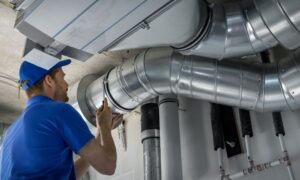
Proper ventilation removes stale, contaminated air and replaces it with fresh outdoor air, reducing the concentration of indoor gases. Natural ventilation relies on windows, vents, and passive airflow through building openings to circulate air efficiently. Mechanical systems, such as HVAC units, exhaust fans, and air purifiers, provide controlled airflow and filtration to remove harmful particles and gases. Hybrid systems combine natural and mechanical methods, ensuring continuous air exchange and maintaining optimal air quality. Proper ventilation also prevents humidity buildup, which can worsen VOC emission and support mold growth. The integration of ventilation strategies improves overall comfort and safeguards health.
- Natural ventilation methods (windows, vents)
- Mechanical ventilation systems (HVAC, exhaust fans)
- Hybrid approaches for optimal indoor air quality
Benefits of Regular Ventilation Maintenance
Regular maintenance of ventilation systems ensures consistent performance and maximizes indoor air quality. Cleaning air ducts removes accumulated dust, pollen, and bacteria that could circulate throughout the home. Replacing filters in HVAC units ensures efficient removal of pollutants and prevents blockages that reduce airflow. Checking exhaust fans and vents for obstructions guarantees that harmful gases are effectively expelled. Regular inspections also help detect early signs of malfunction, preventing indoor gas accumulation from reaching dangerous levels. Properly maintained ventilation systems provide continuous protection against radon, carbon monoxide, and VOC exposure while extending the life of equipment and reducing energy costs.
Integrating Gas Detection Systems with Ventilation
Integrating gas detection systems with ventilation creates a proactive approach to indoor air safety. Radon detectors, carbon monoxide alarms, and VOC sensors monitor real-time gas levels, alerting occupants to dangerous conditions. Placement of these devices in bedrooms, basements, kitchens, and areas near fuel-burning appliances ensures early detection and rapid response. Combining detection systems with proper ventilation allows harmful gases to be diluted and removed efficiently, reducing health risks. Regular monitoring and calibration of sensors are essential to maintain accuracy, while timely action based on readings ensures a safe indoor environment. Utilizing both detection and ventilation provides a reliable strategy for preventing indoor gas-related health hazards.
Ventilation Tips for Specific Indoor Environments
Different indoor environments require tailored ventilation strategies to effectively reduce gas risks. In homes, opening windows periodically, using range hoods while cooking, and running exhaust fans in bathrooms maintain airflow. Offices benefit from well-maintained HVAC systems, strategic placement of air purifiers, and routine inspections to ensure balanced circulation. Industrial spaces require specialized ventilation designs to handle high concentrations of chemical fumes, fuel emissions, or other hazardous gases. Seasonal adjustments, such as increased ventilation in winter without losing energy efficiency, can also prevent gas buildup. Monitoring indoor air quality and combining natural and mechanical ventilation methods ensures that gases do not accumulate to harmful levels in any setting.
Case Studies Showing Reduced Gas Risks Through Ventilation
Multiple case studies demonstrate the effectiveness of proper ventilation in reducing indoor gas risks. In residential settings, installation of hybrid ventilation systems along with radon monitoring lowered radon levels by over 50% within months. Offices with upgraded HVAC filtration and exhaust fan systems observed a marked decrease in VOC concentrations, improving employee comfort and productivity. Industrial facilities that integrated real-time gas detection with forced ventilation reported a significant reduction in carbon monoxide and nitrogen dioxide exposure for workers. These examples confirm that combining maintenance, proper system design, and gas monitoring creates measurable improvements in indoor air quality, preventing long-term health risks associated with gas exposure.
Conclusion
Proper ventilation is essential for reducing indoor gas risks and protecting health. Monitoring gases with products like Reliable Radon Products, maintaining ventilation systems, and using gas detection devices work together to ensure safe indoor environments. Homes, offices, and industrial spaces benefit from customized ventilation strategies that remove harmful gases and improve overall comfort. Regular inspections, filter replacements, and strategic airflow management prevent gas accumulation, providing a reliable safeguard against health hazards. Prioritizing indoor air quality through proper ventilation and monitoring empowers individuals to create safer, healthier spaces for living and working.
FAQs
How does ventilation reduce radon levels indoors?
Proper ventilation dilutes radon gas by introducing fresh air and creating air circulation that prevents accumulation in basements and lower floors.
Which gases are most common in homes and offices?
Radon, carbon monoxide, VOCs, and nitrogen dioxide are the most common indoor gases, often produced by appliances, building materials, and environmental sources.
What maintenance is required for ventilation systems?
Regular cleaning of air ducts, replacement of HVAC filters, inspection of exhaust fans, and removal of blockages ensures continuous airflow and reduces gas concentration.
Can gas detection systems replace proper ventilation?
Detection systems alone cannot remove gases; they alert occupants to dangerous levels, while ventilation actively dilutes and expels harmful gases.