Gastric sleeve surgery in Singapore is a common bariatric option for people aiming for sustained weight loss and health gains. This article explains costs, Medisave coverage, eligibility, procedure options, and recovery expectations so you can make an informed decision.
TL;DR
- The best gastric sleeve surgery in Singapore typically costs SGD 15,000–30,000, with partial Medisave use possible; eligibility is usually BMI >37.5 or >32.5 with co-morbidities.
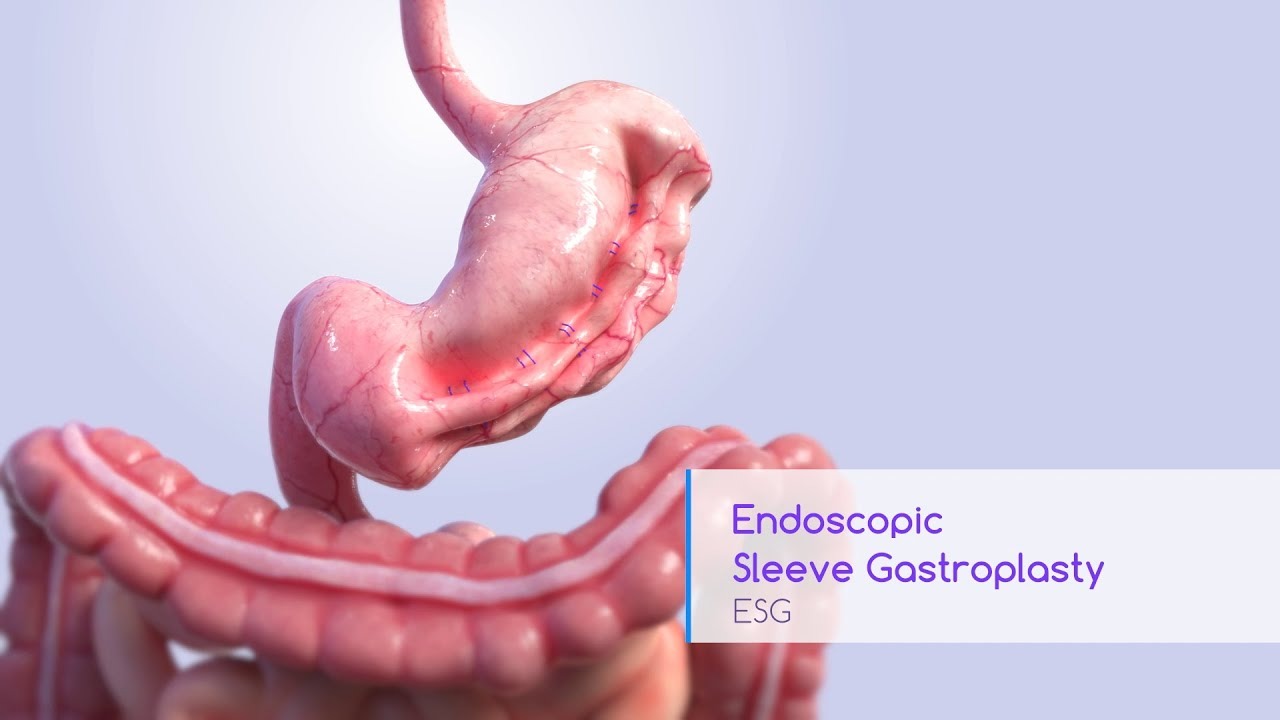
- Surgical sleeve (laparoscopic) removes about 70% of the stomach; endoscopic sleeve gastroplasty (ESG) is less invasive and often has quicker recovery.
- Choose an accredited surgeon and confirm Medisave or insurer approvals before booking.
Cost & Financial Coverage
Costs vary by hospital, surgeon and complexity, with a typical range of SGD 15,000 to 30,000. This range covers theatre fees, surgeon fees, anaesthesia and basic inpatient care, but not always pre-op tests, nutrition counselling or complications.
How much does gastric sleeve surgery cost in Singapore?
Expect a baseline of roughly SGD 15,000–30,000 depending on private versus public settings and length of stay. More complex cases or private-room stays push costs higher, while public hospitals are often less expensive but may have longer waiting times.
Is gastric sleeve surgery covered by Medisave?
Medisave may cover part of the bill for approved bariatric procedures, but coverage is limited and subject to eligibility rules and pre-approval. For official details on what Medisave pays, refer to the Ministry of Health guidance.
Procedure & Eligibility
Gastric sleeve surgery reduces stomach volume to restrict intake; both laparoscopic sleeve gastrectomy and endoscopic sleeve procedures are used in Singapore. Each option has distinct recovery and risk profiles.
What is involved in laparoscopic gastric sleeve?
Laparoscopic sleeve gastrectomy removes about 70% of the stomach via small abdominal incisions. It is effective for large, sustained weight loss and can improve diabetes and hypertension.
What is ESG and how does it differ?
A non-incisional procedure performed through the mouth to reduce stomach volume with internal sutures. ESG usually offers shorter recovery and lower immediate surgical risk, but long-term weight loss may be less than surgical sleeve for some patients.
Who qualifies for gastric sleeve surgery in Singapore?
Typical eligibility is BMI >37.5, or BMI >32.5 with obesity-related co-morbidities like type 2 diabetes or severe sleep apnoea. Assessment includes medical history, psychological screening and readiness for lifelong diet changes.
Providers & Locations
Both public hospitals and private clinics in Singapore offer gastric sleeve surgery; each setting has trade-offs in cost, wait times and amenities. Choose a centre with accredited bariatric surgeons and a multidisciplinary team.
Consider these points when choosing a provider:
- Accreditation and surgeon experience with sleeve procedures.
- Availability of a multidisciplinary team for nutrition, psychology and exercise support.
- Clear pricing and pre-approval pathways for Medisave or insurer claims.
For reputable public options, see Singapore General Hospital’s obesity services. Private hospitals like Raffles and Gleneagles also have established bariatric programmes.
Recovery & Outcomes
Recovery times depend on the procedure: laparoscopic sleeve patients typically need 1–2 weeks off work, while ESG patients often resume activities in 2–3 days. Both require staged diets and close follow-up.
Expected weight loss varies. Surgical sleeve patients commonly lose 25–35% of total body weight in 12–24 months, while ESG patients often see 15–20% total body weight loss within 1–2 years. Long-term success relies on diet, exercise and follow-up care.
Important: Lifelong vitamin supplementation and regular check-ups are part of post-op care to prevent deficiencies and monitor progress.
Coverage, and Key Details
Price Breakdown and Influencing Factors
The overall price of gastric sleeve surgery in Singapore varies depending on the hospital type, surgeon’s experience, and case complexity. On average, costs fall between SGD 15,000 and SGD 30,000. This estimate typically includes operating theatre fees, surgeon and anaesthetist charges, and inpatient accommodation.
However, not every fee is covered—patients should expect additional expenses for pre-surgery tests, dietary counselling, and management of any post-operative complications.
Private hospitals usually charge more due to their premium facilities and shorter waiting times, while public hospitals are more affordable but may involve longer scheduling delays.
Financial Support and Claim Options
Some financial relief may be available through Medisave, Singapore’s national medical savings scheme. Only approved bariatric procedures, such as the laparoscopic sleeve gastrectomy, qualify for Medisave withdrawal. The amount that can be claimed is limited and subject to eligibility and pre-approval.
Patients should review the Ministry of Health’s Medisave guidelines or confirm coverage directly with their hospital’s billing department. Certain private insurance plans may also reimburse a portion of the cost if the procedure is deemed medically necessary for obesity-related health issues.
Surgical Approaches and Treatment Variants
Gastric sleeve surgery, also called sleeve gastrectomy, reduces the stomach’s size to limit food intake and promote weight loss. Singapore’s hospitals offer two main forms of this treatment:
- Laparoscopic Sleeve Gastrectomy (LSG): A minimally invasive operation that removes around 70% of the stomach using small incisions. This method delivers substantial long-term weight loss and often improves conditions like diabetes and high blood pressure.
- Endoscopic Sleeve Gastroplasty (ESG): A newer, non-surgical method performed through the mouth using internal sutures to reshape the stomach. ESG generally offers a shorter recovery time and lower surgical risk, though total weight loss may be slightly less than LSG in some patients.
Who Can Undergo the Procedure
Eligibility for gastric sleeve surgery in Singapore is based on specific Body Mass Index (BMI) thresholds. Typically, candidates have a BMI above 37.5, or above 32.5 with obesity-related conditions such as type 2 diabetes or sleep apnoea.
Before approval, patients undergo comprehensive medical and psychological evaluations to ensure they understand the lifestyle adjustments needed for lasting success. A commitment to healthy eating, exercise, and regular medical follow-up is essential.
Selecting the Right Hospital or Clinic
Both public hospitals and private centres provide gastric sleeve surgery in Singapore. Notable institutions include Singapore General Hospital’s Obesity Centre, Raffles Hospital, and Gleneagles Hospital.
When comparing providers, patients should check:
- The surgeon’s credentials and bariatric surgery experience.
- Availability of a multidisciplinary support team (nutritionist, psychologist, physiotherapist).
- Transparent cost breakdowns and Medisave or insurance claim guidance.
Post-Surgery Recovery and Long-Term Progress
Recovery timelines differ by procedure. Laparoscopic sleeve patients typically resume work in one to two weeks, whereas ESG patients may return to normal activities in two to three days. Both require gradual dietary progression and ongoing medical supervision.
Expected outcomes include 25–35% body weight reduction for LSG patients and 15–20% for ESG patients over 12–24 months. Maintaining results depends heavily on consistent nutrition, physical activity, and follow-up care.
To prevent nutrient deficiencies, lifelong vitamin supplementation and regular medical reviews are recommended.
Summary
Gastric sleeve surgery in Singapore is a proven option for significant weight loss, with costs typically between SGD 15,000 and 30,000 and limited but possible Medisave support. Choose an accredited team, confirm financial approvals, and plan for lifelong dietary and follow-up care to maximise outcomes.
FAQs
How long is hospital stay after gastric sleeve surgery?
Most laparoscopic sleeve patients stay 1–3 days; ESG is often day surgery or overnight observation.
Can I use Medisave to pay for the whole surgery?
Medisave rarely covers the entire cost; it may cover approved components with pre-approval. Confirm specifics with your hospital and MOH.
Which option gives greater weight loss: sleeve or ESG?
Surgical sleeve generally yields larger weight loss, while ESG is less invasive with faster recovery but slightly lower long-term weight loss averages.
What are common risks of gastric sleeve surgery?
Risks include leaks, bleeding, infection and nutrient deficiencies; experienced centres minimise these with protocols and close monitoring.
How soon will my diabetes improve after surgery?
Many patients see improvements in blood sugar within weeks to months, especially after surgical sleeve, but individual results vary.