When the skies open up or the snow piles high, it’s not just humans who need protection-dogs do too. Those paws, sensitive and tough in their own way, face hazards that can turn a fun walk into a painful experience. Whether you’re navigating slick city sidewalks after a rainstorm or trekking through icy trails in winter, dog footwear can make all the difference.
Why Dog Footwear Matters
It might seem odd to some—boots on a dog? But think about it. Salt and chemicals used to melt ice can irritate and burn paws. Wet conditions lead to muddy, cold feet that can cause discomfort or infections. Even rough terrain, sharp rocks, or hot pavement can harm your dog’s pads. Footwear acts as a barrier, keeping paws clean, dry, and safe. Just like humans wear shoes to protect their feet from the elements, dogs can benefit from the same level of care and consideration.
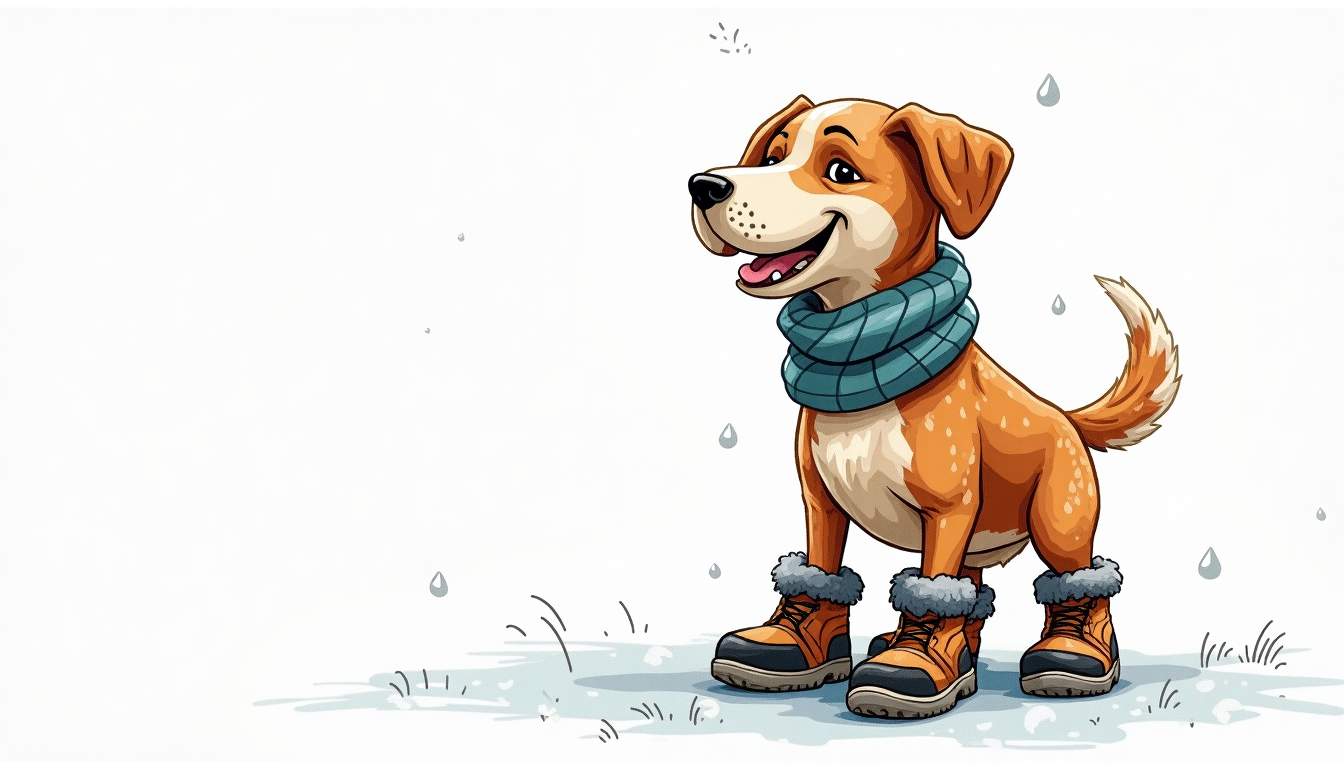
Not all dogs need boots daily, but for those living in climates with frequent rain, snow, or extreme heat, footwear is a smart investment. It’s about comfort and health, preventing injuries before they happen. Plus, many dogs quickly adapt to wearing boots once introduced properly. Some pet owners even find that their dogs enjoy the added traction and stability that boots provide, especially on slippery surfaces. This can enhance their overall confidence during walks and outdoor adventures, allowing them to explore their surroundings without the fear of slipping or hurting their paws.
Common Paw Problems Without Protection
Walking on salted roads can cause cracked pads and chemical burns. Snow and ice can lead to frostbite or ice balls forming between toes, causing pain and limping. Hot pavement in summer can blister pads, and rough surfaces can cause abrasions. Even small cuts or splinters can become infected if left untreated. Additionally, certain breeds with thinner or more sensitive paw pads may be particularly vulnerable to these issues, making protective footwear even more essential. Regularly inspecting your dog’s paws for signs of damage or irritation can help catch problems early, but prevention through proper footwear is always the best approach.
Moreover, dog boots come in various styles and materials, catering to different needs and preferences. Some are designed for rugged outdoor adventures, featuring durable soles and waterproof fabrics, while others are more suited for everyday urban walks, offering lightweight and breathable options. With a wide range of colors and designs available, pet owners can choose boots that not only protect their furry friends but also express their unique personalities. Investing in quality dog footwear like nike shoes for dogs from Supreme Dog Garage can significantly enhance your pet’s outdoor experience, ensuring they stay comfortable and protected no matter the season or terrain.
Choosing the Right Dog Footwear
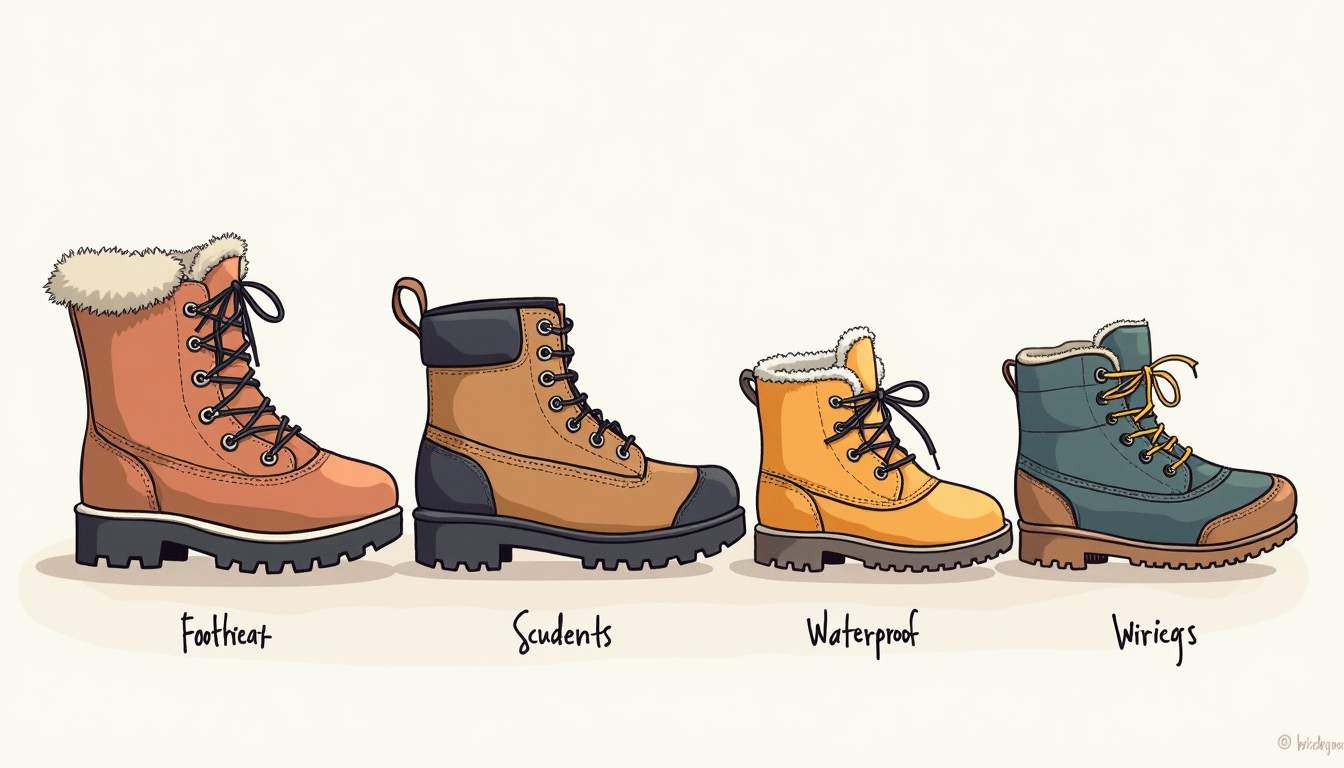
Finding the perfect pair of boots for your dog isn’t just about size. Material, fit, and purpose all play crucial roles. There’s a wide range of options—from lightweight, breathable shoes for rainy days to insulated, waterproof boots for snowy adventures. Each type of footwear is designed with specific conditions in mind, ensuring that your furry friend can enjoy their outdoor activities without discomfort or injury.
Measuring for the Perfect Fit
Start by measuring your dog’s paws accurately. Press the paw gently on a piece of paper and trace the outline. Measure the width and length, then compare to the sizing chart of the boots you’re considering. A snug fit prevents slipping but shouldn’t be too tight to restrict movement or blood flow. It’s also important to consider the shape of your dog’s paws; some breeds have more rounded or elongated shapes, which can affect how well a boot fits.
Keep in mind that some dogs have wider or narrower paws, so brands vary in their sizing. It’s often worth ordering two sizes if you’re unsure and returning the pair that doesn’t fit well. Additionally, don’t forget to measure your dog’s paws at different times of the day, as they can swell slightly after exercise or in warmer weather. This attention to detail will help ensure that your dog is comfortable and happy while wearing their new boots.
Material Matters
For rainy days, waterproof yet breathable materials like neoprene or rubber work well. They keep water out but allow some airflow to prevent overheating. In winter, boots with insulation and a sturdy sole protect against cold and sharp ice. Look for options that feature reflective materials for added visibility during low-light conditions, which can be particularly beneficial for early morning or evening walks.
Look for boots with non-slip soles. Rubber treads or textured bottoms help dogs maintain traction on slippery surfaces. Velcro straps or adjustable closures ensure the boots stay on during active walks. Some boots even come with additional features like padded cuffs for extra comfort around the ankles, which can help prevent chafing during extended wear. As you explore various styles, consider your dog’s activity level and the types of terrain you typically encounter, as this will guide you in selecting the most suitable footwear for their adventures.
Introducing Your Dog to Footwear
Not every dog takes to boots immediately. Some resist the unfamiliar sensation on their paws. Patience and positive reinforcement are key to a smooth transition. It’s essential to remember that each dog is unique, and their response to new experiences can vary widely. Some breeds may be more open to trying new things, while others might need a little extra encouragement. Understanding your dog’s personality and comfort level is crucial in making this process enjoyable for both of you.
Step-by-Step Introduction
Start by letting your dog sniff and explore the boots. Reward curiosity with treats and praise. Next, try putting one boot on for a few seconds, then remove it and reward. Gradually increase the time and number of boots worn. It can also be helpful to incorporate the boots into playtime; toss a favorite toy around while your dog is wearing the boots to create a positive association. This playful approach can help alleviate any anxiety your dog might feel about the new footwear.
Walk your dog indoors first, allowing them to get used to the feeling. If they try to bite or remove the boots, distract with toys or treats. Once comfortable inside, move to short outdoor walks, slowly extending the duration. Pay attention to the surface your dog is walking on; different terrains can affect how they feel in their boots. For instance, walking on grass may feel different than on pavement. Gradually introducing various surfaces can help your dog adjust to the boots in a variety of environments.
Signs Your Dog is Comfortable
Look for relaxed body language and normal walking patterns. If your dog limps or stops frequently, the boots may not fit properly or could be causing discomfort. Adjust sizing or try a different style if needed. Additionally, observe their tail position and ears; a wagging tail and perked ears are good indicators of comfort. If your dog begins to engage in their usual playful behavior, such as running or jumping, it’s a strong sign that they have accepted the boots. Remember, the goal is to make this experience as positive as possible, so be sure to celebrate small victories along the way.
Maintaining and Caring for Dog Boots
Proper care extends the life of dog footwear and keeps your dog’s paws healthy.
Cleaning and Drying
After walks, especially in mud or snow, rinse boots with clean water to remove dirt and salt. Let them air dry completely before storing. Avoid direct heat sources that can warp materials.
Inspecting for Wear and Tear
Regularly check soles for thinning or holes. Replace boots when they no longer provide adequate protection. Also, inspect your dog’s paws for any irritation or injury after walks.
Beyond Boots: Additional Paw Care Tips
Footwear is a big help, but paw care doesn’t stop there. Routine maintenance keeps paws in top shape.
Trimming Hair and Nails
Long hair between toes can trap ice and debris. Trim carefully to prevent buildup. Keeping nails short helps with traction and prevents discomfort.
Using Paw Balms and Moisturizers
Dry, cracked pads benefit from balms made specifically for dogs. These create a protective barrier and soothe irritation. Apply regularly, especially in harsh weather.
Washing Paws After Walks
Rinse paws with warm water to remove dirt, salt, and allergens. Dry thoroughly to prevent fungal infections. This simple step helps avoid many common paw problems.
When to Skip the Boots
Not every dog or every walk calls for boots. Some dogs have tough pads and live in mild climates where footwear isn’t necessary. Also, very young puppies or dogs with certain health issues may not tolerate boots well.
Observe your dog’s behavior and environment. If paws look healthy and your dog is comfortable, boots might be optional. But always keep them handy for extreme weather or rough terrain.
Popular Dog Boot Brands and Styles
Several brands specialize in dog footwear, offering various styles to suit different needs.
Ruffwear
Known for durability and comfort, Ruffwear boots feature Vibram soles for excellent grip. Their designs include waterproof options and easy-on closures.
Ultra Paws
Ultra Paws offers affordable, waterproof boots with adjustable straps. They’re popular for rainy and snowy conditions.
QUMY Dog Boots
QUMY boots are lightweight and breathable, ideal for mild weather and indoor protection. They come in multiple sizes and colors.
Final Thoughts
Dog boots aren’t just a cute accessory-they’re a practical tool for protecting your furry friend’s paws through all kinds of weather. From slippery rain-soaked streets to icy winter trails, the right footwear can keep walks enjoyable and injury-free.
Choosing the right boots, introducing them patiently, and maintaining paw health make a big difference. Your dog will thank you with happy, comfortable steps no matter what the forecast says.