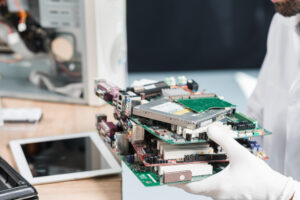
As the world becomes increasingly reliant on technology, the amount of discarded electronic devices grows at an alarming rate. From smartphones and laptops to televisions, routers, printers, and smart home systems, modern life is filled with gadgets that eventually reach the end of their lifespan. This rising volume of electronic waste has made electronics recycling one of the most important environmental practices of the digital age. In an era defined by rapid innovation and frequent device upgrades, managing e-waste responsibly is essential for protecting both the planet and communities.
This blog explores why E-waste recycling matters, how the process works, and the role individuals and businesses play in sustainable waste management.
Why Electronic Waste Is a Global Concern
Electronic waste is one of the fastest-growing waste streams in the world. Unlike general household waste, e-waste contains hazardous materials such as lead, mercury, cadmium, flame retardants, and lithium. When these materials end up in landfills, they contaminate soil, waterways, and air, leading to long-term ecological and health risks.
Additionally, electronic devices contain precious and rare materials like copper, gold, palladium, and cobalt. These materials require extensive mining and energy consumption to extract. Without effective E-waste recycling, these valuable resources are lost forever, increasing the pressure on natural ecosystems.
Governments, businesses, and environmental organizations now recognize that responsible e-waste management is not just beneficial—it is necessary for global sustainability.
Understanding the Purpose of Electronics Recycling
At its core, E-waste recycling focuses on recovering valuable materials, safely disposing of hazardous components, and reducing the overall volume of waste entering landfills. By breaking down devices into their reusable elements, recycling facilities help transform what would otherwise be harmful waste into valuable resources.
The goals of E-waste recycling include:
- Reducing environmental pollution
- Conserving natural resources
- Lowering energy consumption
- Supporting a circular economy
- Promoting sustainable manufacturing
- Encouraging responsible consumer behavior
For businesses, recycling electronics also helps ensure compliance with environmental regulations and corporate sustainability commitments.
The Step-by-Step Process of Electronics Recycling
Although the specifics vary by device type, most recycling facilities follow a structured workflow:
1. Collection and Sorting
Electronics are first collected from drop-off centers, corporate recycling programs, households, and specialized recovery events. Devices are sorted based on type, components, and condition.
2. Data Destruction
Before any device is dismantled, data-bearing equipment undergoes secure data wiping or physical destruction. This step protects personal, corporate, and confidential information.
3. Manual Dismantling
Items such as batteries, circuit boards, cables, plastic casings, glass screens, and metal frames are separated. Manual dismantling ensures delicate or hazardous components are handled safely.
4. Shredding and Material Separation
Devices are then mechanically shredded. Magnetic systems, eddy current separators, and optical sorting technology help distinguish metals, plastics, and glass.
5. Recovering Valuable Materials
Precious metals and reusable materials are extracted for reintegration into new manufacturing cycles. This helps reduce the need for mining and lowers environmental impact.
This structured approach ensures the E-waste recycling process is efficient, safe, and environmentally responsible.
Environmental Benefits of Proper E-Waste Recycling
Recycling electronics offers several meaningful advantages for the environment:
1. Reduced Landfill Waste
E-waste takes decades—or even centuries—to decompose, releasing harmful chemicals along the way. Recycling prevents this accumulation.
2. Conservation of Natural Resources
Valuable metals and components can be reused to create new products, decreasing the need for resource-intensive mining.
3. Reduced Carbon Footprint
Manufacturing products from recycled materials requires significantly less energy, resulting in fewer greenhouse gas emissions.
4. Protection of Ecosystems
Proper handling and disposal of hazardous materials prevent contamination of soil, water, and air.
The Role of Businesses in Electronics Recycling
Corporations generate a substantial portion of global e-waste due to constant technology upgrades, equipment replacements, and data security needs. Many companies now integrate into their sustainability policies.
Key business practices include:
- Organizing internal e-waste collection programs
- Partnering with certified recycling facilities
- Ensuring secure disposal of data-bearing devices
- Creating take-back programs for clients
- Promoting a zero-landfill policy
These initiatives not only support environmental responsibility but also enhance brand credibility and regulatory compliance.
How Consumers Can Participate in Electronics Recycling
Although corporations play a major role, individual consumers also significantly influence the success of recycling efforts. Some of the ways households can contribute include:
- Donating functioning devices to charities
- Bringing old electronics to certified recycling centers
- Decluttering e-waste regularly instead of storing unused items
- Participating in local collection drives
- Choosing repair over replacement when possible
Public awareness and participation help strengthen community-based sustainability.
The Growing Global Movement Toward Sustainable Technology
Countries around the world are adopting stronger policies, regulations, and incentives to promote electronics recycling. Many regions require manufacturers to follow Extended Producer Responsibility (EPR) guidelines, which make them accountable for the end-of-life management of their products.
Additionally, global tech companies are now designing devices with recyclability in mind. This includes modular components, reduced use of toxic materials, easier dismantling processes, and greener manufacturing practices.
As sustainability becomes a top priority for governments, consumers, and corporations, E-waste recycling continues to grow as a mainstream solution.
Challenges Facing Electronics Recycling Today
Despite its importance, several obstacles remain:
- Lack of public awareness
- Insufficient access to certified recycling centers
- Illegal dumping and informal recycling methods
- Rapid production of new electronics
- Complex device designs that are difficult to dismantle
Overcoming these challenges requires collaboration between manufacturers, policymakers, recycling facilities, and consumers.
Conclusion: The Future of Responsible E-Waste Management
The rise of electronics recycling reflects a global shift toward sustainable living. As technology continues to advance and device usage grows, proper e-waste handling becomes increasingly important. Recycling not only protects the environment but also conserves valuable resources, strengthens economic sustainability, and promotes responsible consumption.