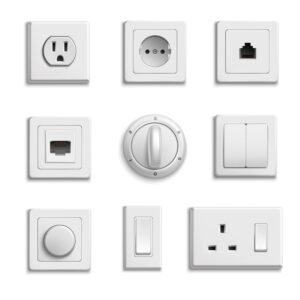
Modern buildings rely heavily on safe and efficient electrical infrastructure to support daily life and business operations. Among the most essential yet often overlooked components are electrical sockets and switches, which form the direct interface between people and power systems. These elements play a critical role in enabling convenience, controlling energy use, and ensuring safety across residential, commercial, and industrial environments.
From powering household appliances to managing lighting and equipment, these components must meet strict safety standards while adapting to evolving design and technology trends. As construction practices advance, the demand for reliable, durable, and visually appealing electrical fittings continues to grow.
The Role of Electrical Components in Modern Infrastructure
Electrical infrastructure is designed to distribute power efficiently while minimizing risks. Sockets and switches are key access points that allow users to safely connect devices and control electrical flow. Their design, placement, and quality directly affect user safety and long-term system performance.
In homes, these components provide convenience and accessibility, allowing residents to operate lighting, charge devices, and power appliances with ease. In commercial and industrial settings, they support higher electrical loads and must withstand frequent use while maintaining reliability.
Proper selection and installation help reduce risks such as overheating, electrical faults, and accidental contact. As a result, compliance with electrical codes and standards is essential across all environments.
Design, Functionality, and User Experience
While functionality remains the primary purpose, modern electrical fittings are increasingly designed with aesthetics and usability in mind. Clean lines, minimalistic designs, and coordinated finishes now complement interior décor rather than disrupting it.
User experience also plays a role. Smooth operation, ergonomic placement, and clear labeling enhance usability, particularly in high-traffic or shared spaces. Touch-sensitive controls, dimmers, and smart integration features are becoming more common, reflecting the shift toward intelligent building systems.
Thoughtful design ensures that electrical access points are intuitive, reducing misuse and improving overall safety.
Safety Standards for Electrical Sockets and Switches
Safety is the most critical consideration when selecting electrical sockets and switches, especially in environments where moisture, heat, or heavy usage is present. Regulatory standards exist to ensure that products are tested for durability, insulation quality, and resistance to electrical faults.
Grounding mechanisms, child-safety shutters, and fire-resistant materials help prevent accidents and equipment damage. In commercial environments, compliance with national and international standards is often mandatory to meet insurance and regulatory requirements.
Routine inspections and timely upgrades further enhance safety by identifying worn or outdated components before they become hazards.
Energy Efficiency and Sustainable Choices
Energy efficiency is increasingly important in modern electrical planning. Advanced components help reduce energy waste by enabling precise control over lighting and power usage. Motion sensors, timers, and smart controls allow electricity to be used only when needed.
Sustainable manufacturing practices and long-lasting materials also contribute to reduced environmental impact. Choosing durable components minimizes replacement frequency, reducing waste and long-term costs. These considerations align with broader sustainability goals in construction and building management.
Residential vs. Commercial Applications
Residential environments prioritize comfort, ease of use, and safety for all age groups. Childproof features and user-friendly designs are common requirements. In contrast, commercial and industrial settings demand higher load capacity, durability, and resistance to frequent operation.
Office buildings, retail spaces, and manufacturing facilities require components that support continuous use while maintaining safety and efficiency. Tailoring solutions to each environment ensures optimal performance and compliance with specific operational demands.
Installation and Long-Term Maintenance
Proper installation is essential for reliable operation and safety. Even high-quality components can fail if installed incorrectly. Certified professionals ensure that wiring, grounding, and placement meet required standards.
Long-term maintenance includes periodic inspections, cleaning, and timely replacement of worn parts. Proactive maintenance reduces downtime, prevents electrical failures, and extends system lifespan. It also supports compliance with safety regulations over time.
Adapting to Smart and Connected Environments
Smart building technologies are reshaping the way electrical systems are designed, monitored, and managed across residential and commercial environments. Integrated controls allow users to remotely monitor power consumption, adjust settings, and optimize energy usage in real time, improving both efficiency and convenience. Compatibility with smart systems has become a key consideration when selecting modern electrical components, as these systems enable seamless communication between devices.
These innovations support automation, detailed energy monitoring, and enhanced safety through real-time alerts and system diagnostics. Potential issues such as overloads or faults can be identified early, reducing risks and downtime. As technology continues to advance, electrical infrastructure evolves to meet higher expectations for performance, sustainability, and user control.
Conclusion
Reliable electrical infrastructure depends on thoughtful selection, proper installation, and ongoing maintenance. Electrical sockets and switches may seem simple, but they play a vital role in safety, efficiency, and user experience across all types of buildings. By prioritizing quality, compliance, and modern functionality, organizations and homeowners can ensure dependable electrical systems that support both present needs and future advancements.