Imagine biting into your favorite meal and feeling a sharp pain or noticing a gap where a tooth used to be. These dental issues don’t just affect how you eat-they can impact your confidence, speech, and overall oral health. That’s where crowns and bridges come into play. These restorations have been trusted solutions for decades, designed to bring back both function and appearance to damaged or missing teeth.
What Are Dental Crowns?
A dental crown is essentially a cap placed over a damaged tooth. Think of it as a helmet that protects and strengthens a tooth that’s been weakened by decay, cracks, or large fillings. Crowns restore the tooth’s shape, size, strength, and appearance.
Crowns can be made from various materials, including porcelain, ceramic, metal alloys, or a combination. Porcelain and ceramic crowns are popular choices for front teeth because they mimic the natural color and translucency of enamel. Metal crowns, such as gold or base metal alloys, are incredibly durable and often used for molars where the chewing force is greatest. Each material has its own set of advantages; for instance, while metal crowns are known for their strength and longevity, porcelain crowns offer a more aesthetically pleasing option that blends seamlessly with natural teeth.
Furthermore, advancements in dental technology have led to the development of all-ceramic crowns, which provide both durability and a natural appearance, making them suitable for both front and back teeth. In addition, some crowns can be made using CAD/CAM technology, allowing for same-day crowns that can be created and placed in a single visit, significantly reducing the time and discomfort associated with traditional crown procedures.
When Is a Crown Necessary?
Crowns are recommended in several situations. If a tooth is severely decayed or fractured, a filling might not provide enough support. Crowns also cover teeth after root canal treatment to prevent breakage. Additionally, they can improve the appearance of misshapen or discolored teeth.
Sometimes, crowns are used to anchor dental bridges or cover dental implants. The versatility of crowns makes them a cornerstone of restorative dentistry. Beyond these common applications, crowns can also be beneficial for patients who grind their teeth, a condition known as bruxism, which can lead to excessive wear and tear. In such cases, a crown can help protect the tooth structure from further damage, ensuring long-term oral health.
The Crown Procedure: What to Expect
The process of getting a crown usually takes two dental visits. During the first appointment, the dentist will prepare the tooth by removing any decay and shaping it to fit the crown. Next, an impression of the tooth is taken to create a custom crown that fits perfectly.
While the permanent crown is being made, a temporary crown is placed to protect the tooth. At the second visit, the temporary crown is removed, and the permanent one is cemented in place. The dentist will check the fit and bite to ensure everything feels natural. It’s important to note that during the preparation phase, patients may experience some discomfort, but local anesthesia is typically administered to minimize pain. After the crown is placed, it may take a few days for the patient to fully adjust to the new crown, especially if it alters the bite slightly. Regular follow-ups with the dentist can help ensure that the crown remains in good condition and functions properly over time patients are encouraged to visit Burwood Diamond Dental for ongoing care and professional guidance.
Understanding Dental Bridges
Missing teeth can cause a cascade of problems. Adjacent teeth may shift, bite alignment can be affected, and chewing becomes more difficult. Dental bridges offer a solution by literally “bridging” the gap left by one or more missing teeth.

A bridge consists of two or more crowns on either side of the gap, called abutment teeth, with a false tooth or teeth, known as pontics, in between. These pontics fill the space and restore the look and function of natural teeth. Beyond aesthetics, dental bridges can significantly enhance the overall oral function, allowing individuals to eat a wider variety of foods without discomfort or difficulty.
Types of Bridges
There are several types of dental bridges, each suited to different situations:
- Traditional Bridges: The most common type, using crowns on abutment teeth with pontics in between. These bridges are often made from porcelain fused to metal, providing both strength and a natural appearance.
- Maryland Bridges: These use a metal or porcelain framework bonded to the back of adjacent teeth. They require less tooth preparation but are typically used for front teeth. This type is particularly beneficial for patients looking for a minimally invasive option.
- Implant-Supported Bridges: Instead of relying on natural teeth, these bridges are anchored to dental implants, providing a stable and long-lasting solution. This option is ideal for patients who may have lost multiple teeth and want a more permanent restoration.
Who Is a Good Candidate for a Bridge?
Bridges are ideal for people missing one or more teeth in a row with healthy adjacent teeth to support the restoration. If the neighboring teeth are weak or heavily restored, other options like implants might be better. Additionally, individuals with good oral health and a commitment to maintaining their dental hygiene are more likely to benefit from this procedure.
Good oral hygiene and regular dental visits are essential to maintain the health of the supporting teeth and the longevity of the bridge. Patients should also be aware that while bridges can last many years, they may require adjustments or replacements over time due to wear and tear. Lifestyle factors, such as diet and habits like grinding teeth, can also impact the lifespan of a dental bridge, making it crucial for patients to discuss their personal circumstances with their dentist to ensure the best possible outcome.
Choosing Between Crowns and Bridges
While crowns and bridges often work hand-in-hand, understanding their distinct roles helps in making informed decisions. Crowns restore individual teeth, while bridges replace missing teeth by anchoring to neighboring teeth.
For example, if a single tooth is damaged but still present, a crown might be the best option. If a tooth is missing entirely, a bridge can fill the gap using crowns on adjacent teeth. In some cases, a combination of both is necessary.
Considerations for Longevity and Maintenance
Both crowns and bridges require care to last. Avoiding hard or sticky foods can prevent damage. Regular brushing and flossing, especially around the gumline and under the bridge, help prevent decay and gum disease.
Dental visits every six months allow for professional cleanings and early detection of potential issues. With proper care, crowns and bridges can last 10 to 15 years or more.
When considering crowns, it’s essential to note the materials available, such as porcelain, metal, or a combination of both. Porcelain crowns are often favored for their natural appearance, making them ideal for front teeth, while metal crowns may be more suitable for back teeth due to their durability. Similarly, bridges can be made from various materials, and the choice can affect both aesthetics and functionality. Patients should discuss the pros and cons of each material with their dentist to determine the best fit for their lifestyle and dental health needs.
Additionally, the placement of crowns and bridges can have implications for overall oral health. Misalignment or improper fitting can lead to discomfort and further dental issues down the line. Therefore, it’s crucial to choose a skilled dentist who can ensure precise measurements and placement. Engaging in open communication with your dental professional about any concerns or preferences can significantly enhance the success of your treatment and contribute to a healthier smile for years to come.
Alternatives and Advances in Tooth Restoration
Dental technology has advanced, offering more options beyond traditional crowns and bridges. Dental implants, for instance, provide a permanent solution by replacing the tooth root with a titanium post anchored in the jawbone.
Implants can support single crowns or even full arch restorations, often preserving bone and preventing the shifting of adjacent teeth. However, implants require sufficient bone density and a longer healing period.
Another alternative is removable partial dentures, which can replace multiple missing teeth but may not offer the same stability or comfort as fixed bridges or implants.
Material Innovations
Materials used for crowns and bridges have evolved too. Zirconia crowns, for example, combine strength and aesthetics, offering a metal-free option that resists chipping and looks natural.
Advances in digital dentistry allow for precise impressions and computer-aided design and manufacturing (CAD/CAM), enabling same-day crowns in some cases. This technology reduces the waiting time and number of dental visits.
What to Expect After Getting Crowns or Bridges
It’s common to experience some sensitivity or mild discomfort after the procedure. This usually subsides within a few days. Over-the-counter pain relievers and avoiding very hot or cold foods can help manage symptoms.
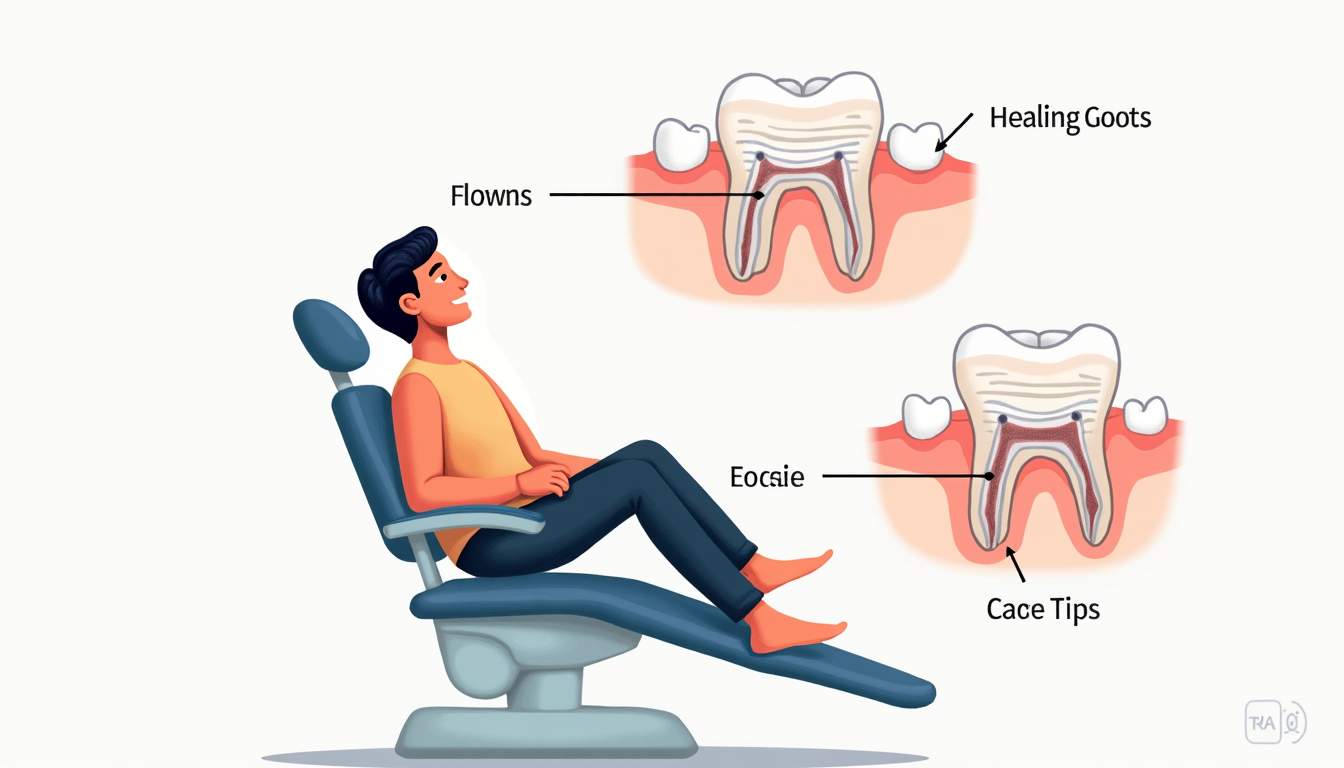
Pay attention to your bite. If the crown or bridge feels high or uncomfortable, contact your dentist. Adjustments may be necessary to prevent jaw pain or uneven wear.
Maintaining good oral hygiene is crucial. Use floss threaders or interdental brushes to clean under bridges. Crowns require the same care as natural teeth to prevent decay at the margins.
Signs That Something Might Be Wrong
Watch for signs like persistent pain, swelling, or a loose crown or bridge. These could indicate infection, decay, or damage. Early intervention can save the restoration and protect your oral health.
Final Thoughts on Crowns and Bridges
Crowns and bridges are reliable, time-tested solutions for restoring damaged or missing teeth. They improve not only the function of your bite but also your smile and confidence. Understanding the options, procedures, and maintenance involved helps you make the best choices for your dental health.
Consulting with a trusted dentist will provide personalized recommendations based on your specific needs. Whether it’s a single crown or a multi-tooth bridge, these restorations can bring back the comfort and beauty of a healthy smile.