Synchronous belt systems are widely used because they offer accurate movement, quiet operation, and reliable performance. But even the best systems can face issues over time. The tricky part is that many problems start small and go unnoticed—until they cause delays, noise, or breakdowns.
This guide walks you through the most common synchronous belt problems, why they happen, and simple ways to fix them. No complex terms, no heavy theory—just clear, useful information you can actually apply.
Understanding Why Problems Happen
Most belt issues don’t appear suddenly. They build up slowly due to daily use, small setup errors, or lack of attention.
The good news?
When you know what to look for, many problems are easy to prevent or correct before they turn serious.
Let’s break them down one by one.
Note:
If you want reliable performance and long service life from Synchronous Belts(สายพานซิงโครนัส), it’s important to choose the right solutions and follow proper care practices. Pix Thailand supports industries with knowledge-driven approaches to belt performance and maintenance. Contact them to learn more about practical solutions and expert guidance.
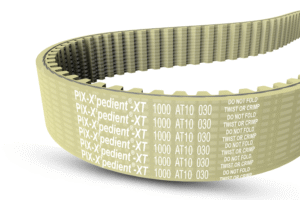
Belt Slipping or Losing Position
One of the most common and frustrating problems is belt slipping. This happens when the belt does not stay firmly engaged with the pulley.
Why This Happens
-
The belt is too loose
-
Pulleys are worn or damaged
-
Dirt or oil has built up on the belt
-
Incorrect belt size was installed
How to Fix It
-
Adjust the belt to the correct tension
-
Clean the belt and pulleys regularly
-
Replace worn pulleys
-
Always use the correct belt size
Quick tip:
If the belt looks fine but still slips, the issue is often tension—not the belt itself.
| Problem Sign | Likely Cause | Simple Action |
|---|---|---|
| Belt skips teeth | Low tension | Adjust tension |
| Sudden loss of motion | Dirty surface | Clean belt and pulleys |
| Uneven movement | Pulley wear | Replace pulley |
Unusual Noise During Operation
A well-running system should be fairly quiet. If you hear clicking, squeaking, or grinding sounds, something isn’t right.
Common Reasons for Noise
-
Misaligned pulleys
-
Belt rubbing against nearby parts
-
Belt tension is too high
-
Dry or worn components
Easy Fixes
-
Check and realign pulleys
-
Make sure the belt path is clear
-
Reduce tension slightly if it’s too tight
-
Inspect parts for wear
Listen closely:
Noise often gives the first warning before bigger problems appear.
Fast or Uneven Belt Wear
Belts are made to last, but early wear is a sign of an underlying issue.
What Causes Early Wear
-
Poor alignment
-
Overloading the system
-
Sharp edges near the belt path
-
Running at speeds beyond limits
How to Slow Down Wear
-
Align pulleys carefully
-
Avoid overloading
-
Smooth out any sharp surfaces
-
Operate within recommended limits
Important point:
Uneven wear usually means alignment problems, not poor belt quality.
| Wear Pattern | What It Means | What to Do |
|---|---|---|
| Worn edges | Misalignment | Realign pulleys |
| Cracks | Age or overload | Replace belt |
| Shiny surface | Slipping | Adjust tension |
Belt Breakage Without Warning
When a belt breaks suddenly, it can stop operations and cause damage.
Possible Reasons
-
Belt tension is far too high
-
Belt is old and brittle
-
Sudden heavy load changes
-
Poor installation
How to Prevent Breakage
-
Set correct tension from the start
-
Replace belts before they age too much
-
Avoid sudden starts or stops
-
Follow installation steps carefully
A little planning goes a long way:
Regular checks reduce surprise failures.
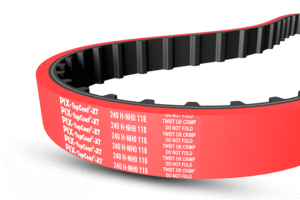
Belt Not Tracking Properly
Sometimes the belt moves sideways instead of staying centered.
Why This Happens
-
Pulley alignment is off
-
Pulley surfaces are uneven
-
Belt width does not match pulley
Fixing the Issue
-
Realign pulleys
-
Inspect pulley surfaces
-
Confirm belt size matches system
Watch closely:
Side movement usually gets worse if ignored.
Simple Maintenance Habits That Prevent Most Problems
You don’t need complex tools or deep knowledge to keep things running smoothly.
Helpful habits include:
-
Regular visual checks
-
Cleaning dust and oil
-
Listening for new sounds
-
Checking tension now and then
These small steps can prevent most common issues before they grow.
Final Thought: Catch Problems Early
Synchronous belt problems rarely appear overnight. They give signs—noise, movement changes, or wear patterns. The key is noticing them early and taking action.
When you understand what causes these issues, fixing them becomes much easier and less stressful.
Frequently Asked Questions (FAQs)
1. How often should synchronous belts be checked?
It’s best to inspect them during regular maintenance cycles or at least once every few months.
2. Can belt noise be ignored if performance seems fine?
No. Noise is often an early warning sign and should be checked immediately.
3. What is the most common cause of belt failure?
Incorrect tension and poor alignment are the most common reasons.
4. Do synchronous belts need lubrication?
No. Lubrication can actually cause slipping and damage.
5. When should a belt be replaced?
Replace it when you see cracks, heavy wear, or repeated slipping even after adjustments.
Follow Pix Thailand on Social Media
Facebook: https://www.facebook.com/pixtrans/
Instagram: https://www.instagram.com/pixtrans/
YouTube: https://www.youtube.com/user/pixtrans
LinkedIn: https://www.linkedin.com/company/pixtrans/
Twitter (X): https://x.com/pixtrans
Google Maps: https://maps.app.goo.gl/V2NG4NKaZRKu7xtG6
For more informatic content visit segisocial.