When someone mentions insolvency, images of financial ruin and hopelessness often come to mind. Many believe it’s a one-way ticket to disaster, a sign of personal failure, or even something that ruins your chances of ever recovering financially. But these ideas are more myth than reality. Insolvency is a legal status that many people and businesses encounter, and understanding what it truly means can change the way you view financial struggles.
Myth 1: Insolvency Means Bankruptcy Is Inevitable
It’s easy to assume that insolvency and bankruptcy are the same thing, but they are not. Insolvency simply means that an individual or company cannot meet their debt obligations as they come due. Bankruptcy, on the other hand, is a legal process that may follow insolvency but doesn’t have to.
Many people who are insolvent explore alternatives before bankruptcy becomes necessary. These include debt restructuring, negotiating with creditors, or entering into formal arrangements like Individual Voluntary Arrangements (IVAs) or Company Voluntary Arrangements (CVAs). These options can provide breathing room and a chance to regain financial footing without the stigma or consequences of bankruptcy.
Understanding this distinction is crucial. Insolvency is a financial state, while bankruptcy is a legal remedy. Insolvency doesn’t automatically mean you’re headed for bankruptcy court.
Additionally, it’s important to recognize that insolvency can arise from various circumstances, such as unexpected medical expenses, job loss, or poor financial planning. Each situation is unique, and the path to recovery can vary significantly based on individual circumstances. For instance, a small business facing temporary cash flow issues may find that renegotiating payment terms with suppliers can alleviate immediate pressure, allowing them to stabilize their operations without resorting to bankruptcy. For more guidance on navigating such challenges, you can explore the following link for expert insights: https://irs-ireland.com/
Moreover, the emotional toll of insolvency should not be overlooked. Individuals may experience stress, anxiety, and feelings of failure when faced with financial difficulties. Seeking professional advice from financial advisors or credit counseling services can be invaluable. These professionals can help individuals understand their options, create a realistic budget, and develop a plan to improve their financial situation, ultimately empowering them to navigate through insolvency without the looming threat of bankruptcy.
Myth 2: Insolvency Only Happens to Irresponsible People or Businesses
Financial difficulties can strike anyone, regardless of how carefully they manage their money. Market downturns, unexpected medical expenses, job loss, or even a global crisis like a pandemic can push people and companies into insolvency. It’s not always about poor decisions or reckless spending.
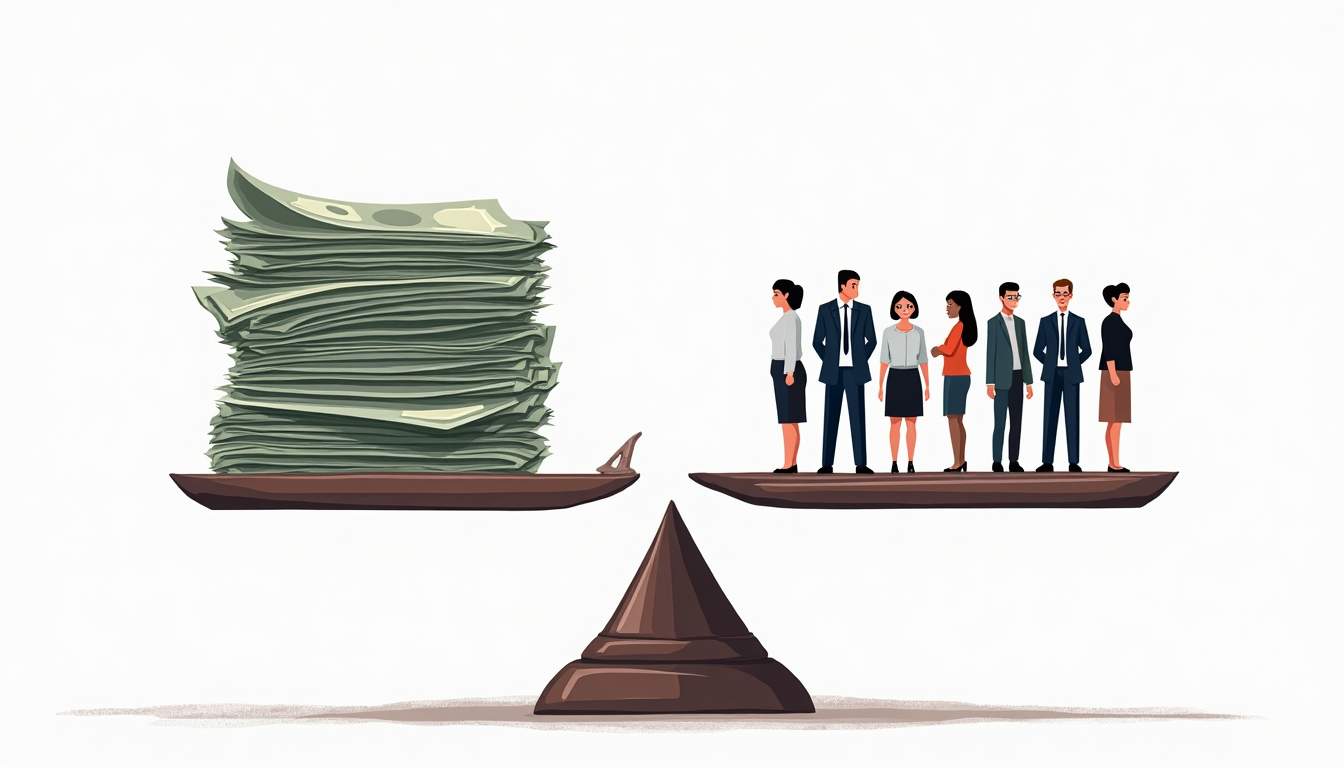
Businesses can face insolvency due to factors outside their control-like supply chain disruptions, sudden drops in demand, or regulatory changes. Even the most prudent entrepreneurs can find themselves struggling when the economic environment shifts abruptly. For instance, consider a small manufacturing company that relies on imported materials. A sudden trade embargo or natural disaster affecting the supplier’s region can halt production, leading to significant financial strain. This scenario illustrates how external factors can derail even the most well-planned business operations, showcasing that insolvency is not merely a reflection of poor management.
On a personal level, life is unpredictable. A single event can overwhelm even the most disciplined budgeters. Insolvency is often a symptom of circumstances, not character flaws. Take, for example, a family that has meticulously saved for years to buy a home. If a primary breadwinner loses their job unexpectedly, the financial cushion can quickly evaporate, leading to missed mortgage payments and potential foreclosure. Moreover, the emotional toll of such situations can exacerbate financial woes, as stress and anxiety may lead to further poor financial decisions. This highlights the importance of empathy and understanding when discussing insolvency, as it often involves complex human experiences rather than simple financial mismanagement.
Additionally, the stigma surrounding insolvency can prevent individuals and businesses from seeking help. Many people believe that admitting financial struggles is a sign of failure, leading them to suffer in silence. This can perpetuate a cycle of debt and despair, as they may avoid reaching out for resources or support that could assist in navigating their challenges. Financial literacy programs and counseling can play a crucial role in breaking this cycle, empowering individuals to make informed decisions and seek solutions before reaching a point of insolvency. By fostering an environment where discussing financial difficulties is normalized, we can help demystify insolvency and encourage proactive measures to address financial health.
Myth 3: Insolvency Means You Lose Everything
Many imagine insolvency as a total wipeout-losing your home, your savings, your possessions. The truth is more nuanced. Insolvency laws often include protections for essential assets. For example, in many jurisdictions, your primary residence may be protected or only partially at risk, depending on the situation.
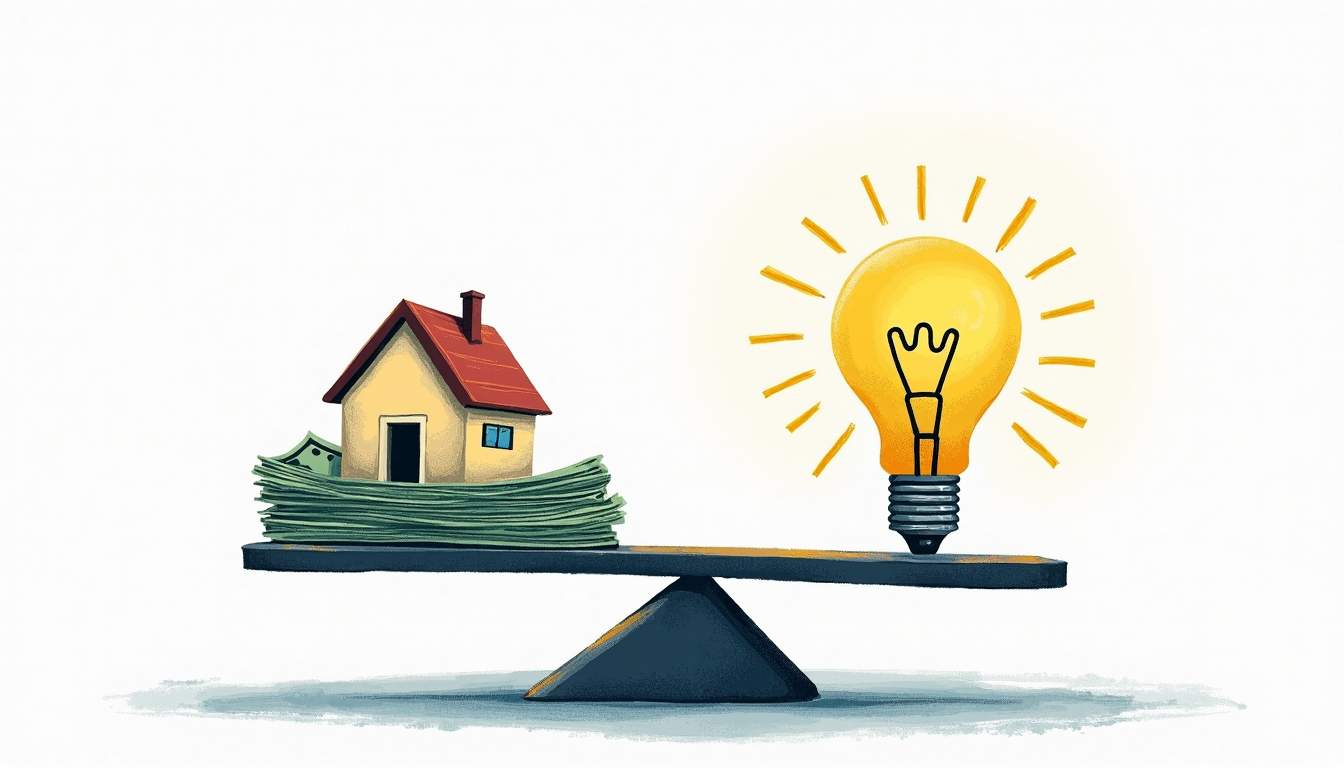
When insolvency leads to formal procedures like bankruptcy, certain assets can be exempt from seizure. Personal belongings, tools of your trade, and sometimes even a vehicle can be safeguarded to help you maintain a basic standard of living and the ability to work.
Of course, the specifics depend on local laws and the type of insolvency procedure involved. But the blanket idea that insolvency means losing everything is simply not accurate.
Myth 4: Insolvency Is a Sign of Personal Failure
There’s a strong stigma attached to insolvency, often framed as a moral failing or lack of discipline. This stigma can prevent people from seeking help early enough, worsening their financial situation.
In reality, insolvency is a financial condition, not a character judgment. Many successful individuals and companies have faced insolvency at some point and bounced back stronger. It’s a challenge, yes, but not a reflection of personal worth or ability.
Recognizing insolvency as a financial hurdle rather than a personal failure encourages a more constructive approach. It opens the door to solutions and recovery instead of shame and denial.
Myth 5: Once Insolvent, You Can Never Borrow Money Again
It’s true that insolvency can impact your credit rating and make borrowing more difficult in the short term. However, it doesn’t permanently bar you from obtaining credit. Many people rebuild their credit over time by managing their finances responsibly after insolvency.
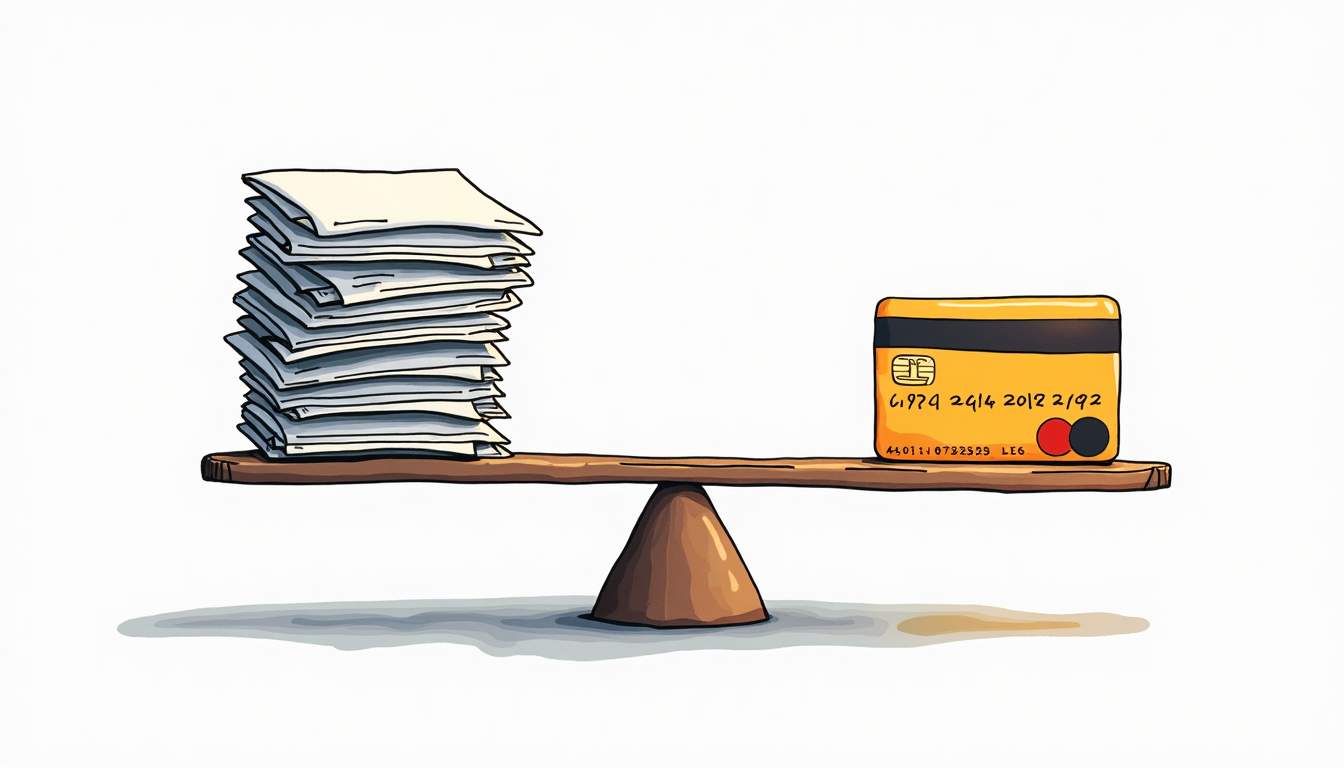
There are also lenders who specialize in working with individuals and businesses recovering from insolvency. These loans may come with higher interest rates or stricter terms initially, but they offer a path back to financial normalcy.
Patience and consistent effort are key. Insolvency is a setback, not a lifelong sentence.
Myth 6: Insolvency Procedures Are Always Expensive and Complicated
Some avoid insolvency solutions because they assume the process is prohibitively costly and bogged down in red tape. While there are fees involved in formal insolvency procedures, many are designed to be accessible and to provide relief efficiently.
For individuals, options like debt management plans or IVAs can be arranged with the help of debt advisors at little or no upfront cost. For businesses, insolvency practitioners work to find the best route forward, often negotiating terms that minimize expense and disruption.
Ignoring insolvency out of fear of complexity can lead to worse financial problems. Getting informed and seeking professional advice early can simplify the process and reduce costs.
Myth 7: Insolvency Always Leads to Business Closure
Insolvency doesn’t necessarily mean a business has to shut down. Many companies use insolvency procedures to restructure debt, reorganize operations, and emerge leaner and more competitive.
Processes like administration or CVAs allow businesses to continue trading while negotiating with creditors. This can preserve jobs, maintain supplier relationships, and protect the brand’s reputation.
In fact, insolvency can be a strategic tool to salvage value and avoid liquidation. It’s about finding a sustainable path forward, not just closing the doors.
Myth 8: Insolvency Is Only for Large Companies or Wealthy Individuals
Insolvency affects people and businesses of all sizes. It’s not a problem reserved for big corporations or the ultra-rich. Small business owners, freelancers, and everyday individuals can all face insolvency.
Many insolvency options are tailored to different scales and circumstances. Personal insolvency solutions are designed to help individuals manage debt in a way that suits their income and assets. Similarly, small and medium-sized enterprises have access to procedures that reflect their unique challenges.
Understanding this helps demystify insolvency and makes it clear that help is available regardless of size or status.
Myth 9: Insolvency Is a Quick Fix
Some view insolvency as an easy escape from debt, but it’s far from a quick fix. Insolvency procedures often involve detailed assessments, negotiations, and a commitment to long-term financial discipline.
Recovery takes time. Whether it’s rebuilding credit, restructuring business operations, or adhering to payment plans, insolvency requires patience and effort.
Approaching insolvency with realistic expectations leads to better outcomes and a stronger financial future.
Myth 10: Talking About Insolvency Will Ruin Your Reputation
There’s a fear that admitting financial trouble will damage personal or professional reputation. While it’s true that insolvency can have social and business implications, openness and proactive management often earn respect.
Seeking help early, communicating honestly with creditors, and demonstrating a plan to address financial issues can build trust rather than destroy it.
Silence or denial, on the other hand, often worsens the situation and harms reputation more than insolvency itself.
Final Thoughts
Insolvency is surrounded by myths that can cloud judgment and prevent people from taking necessary steps to regain control. It’s not a mark of shame, nor is it a guaranteed disaster. Understanding the realities behind insolvency empowers individuals and businesses to navigate financial challenges with confidence and clarity.
Facing insolvency head-on, with accurate information and professional support, can be the first step toward recovery and renewed stability.