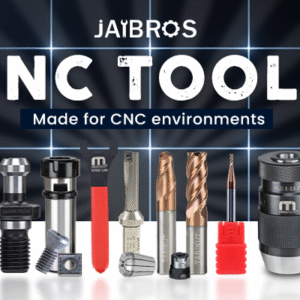
How to Improve Machining Performance with CNC Tool Optimisation
In today’s competitive manufacturing environment, productivity and accuracy are no longer optional—they are essential. CNC machining has transformed modern production by delivering consistent quality, tight tolerances, and high repeatability. However, even the most advanced CNC machines cannot perform at their best without proper optimization of cutting processes and tooling strategies. Manufacturers who focus on optimizing machining practices consistently achieve better surface finish, reduced cycle time, and longer tool life.
Optimising a CNC tool setup is not only about selecting the right cutter but also about improving machining parameters, tool paths, materials, and maintenance practices.
Understanding CNC Tool Optimisation
Optimisation in CNC machining refers to the systematic improvement of cutting efficiency, accuracy, and durability of machining operations. It involves analyzing machine behaviour, cutting conditions, tool materials, and workpiece characteristics to eliminate waste and maximise performance.
A well-optimized CNC tool delivers consistent results across multiple production cycles while reducing wear and downtime. Instead of replacing tools frequently or accepting quality issues, optimisation helps manufacturers extract maximum value from existing CNC machine tools and cutting systems.
Selecting the Right Tools for the CNC Machine
The foundation of any optimization strategy begins with selecting appropriate tools for the CNC machine. Tool geometry, material composition, and coating play a significant role in machining efficiency. Using the wrong cutter can lead to chatter, excessive heat, or premature failure.
Different applications demand different CNC cutting tools. For example, machining aluminum requires sharp-edged tools with high rake angles, while hardened steel machining benefits from coated carbide tools designed to withstand heat and abrasion. Matching the cutter design to the material ensures smoother operations and consistent output.
Optimizing Cutting Parameters
Cutting parameters such as spindle speed, feed rate, and depth of cut directly influence machining quality and tool life. Improper settings can result in vibration, poor surface finish, or tool breakage.
Optimization requires finding the right balance between productivity and durability. Running at extremely high speeds may reduce cycle time but can increase wear, while overly conservative settings reduce efficiency. By fine-tuning these parameters, manufacturers can ensure stable cutting conditions that support long-term performance of the CNC tool.
Tool Path Strategy and Programming
Tool path optimization is often overlooked, yet it has a major impact on machining output. Efficient tool paths reduce unnecessary movements, minimize air cutting, and maintain consistent chip load throughout the operation.
Modern CAM software allows programmers to simulate machining operations and identify areas where tool paths can be improved. Smooth transitions, adaptive clearing strategies, and proper entry and exit movements help reduce stress on CNC cutting tools while improving overall efficiency. An optimised tool path ensures that the CNC tool works efficiently without sudden load variations.
Importance of Tool Material and Coating
The choice of tool material significantly affects machining results. Carbide, high-speed steel, and ceramic tools each have specific advantages depending on the application. Coatings such as TiAlN or TiCN enhance wear resistance and reduce friction, enabling higher cutting speeds.
Selecting the right cnc cutter tool material ensures better heat management and chip evacuation. This reduces tool wear and improves surface quality, especially during high-speed machining operations. Over time, optimized material selection leads to reduced tooling costs and improved consistency.
Machine Stability and Setup Accuracy
Even the best CNC tool cannot perform well on an unstable machine setup. Machine rigidity, spindle condition, and proper workholding all influence machining output. Any vibration or misalignment increases tool stress and affects part accuracy.
Regular machine calibration and alignment checks are essential for maintaining optimal cutting conditions. Secure fixturing ensures that tools for the CNC machine operate under consistent load, reducing the risk of tool deflection or breakage during production runs.
Tool Wear Monitoring and Maintenance
Tool wear is inevitable, but unmanaged wear leads to quality issues and unexpected downtime. Monitoring wear patterns allows operators to replace tools at the right time rather than after failure.
Scheduled inspections, tool life tracking, and predictive maintenance systems help maintain consistent performance of the CNC tool. Replacing worn tools before they compromise quality ensures smoother operations and better surface finishes while protecting expensive workpieces.
Coolant and Chip Control Optimization
Effective coolant application plays a vital role in tool optimization. Proper cooling reduces heat buildup, minimises thermal damage, and improves tool life. Additionally, efficient chip evacuation prevents recutting of chips, which can damage cutting edges.
Optimized coolant flow ensures that CNC cutting tools maintain stable performance even during long machining cycles. Choosing the right coolant type and delivery method further enhances machining efficiency and surface quality.
Operator Skill and Process Standardization
While automation has reduced dependency on manual skills, operator knowledge still plays a crucial role in optimization. Skilled operators can identify abnormal sounds, vibration, or wear patterns early and take corrective action.
Standardising machining processes and documenting best practices ensure consistent results across shifts and machines. When operators understand how a CNC tool behaves under different conditions, they can make informed decisions that improve output quality.
Benefits of CNC Tool Optimisation
Optimizing machining operations offers several long-term benefits, including improved product quality, reduced tooling costs, and increased machine uptime. Manufacturers who invest time in optimization achieve higher productivity without sacrificing accuracy.
A properly optimised CNC tool setup enables smoother workflows, predictable production schedules, and better customer satisfaction. Over time, these improvements translate into higher profitability and a stronger competitive position in the market.
Conclusion
CNC machining success depends not just on advanced machines but on how effectively tooling systems are optimized. From selecting the right tools for the CNC machine to fine-tuning cutting parameters and maintaining machine stability, every step contributes to improved output and reduced operational costs. Consistent optimization ensures longer tool life, better surface finish, and higher production efficiency.
For manufacturers seeking reliable, high-quality CNC machine tools and cutting solutions, Jaibros offers a wide range of precision-engineered products designed to support optimized machining performance. With a focus on durability, accuracy, and industry standards, Jaibros helps businesses achieve better output and long-term success in CNC machining.
FAQs
1. Why is CNC tool optimization important in machining?
Optimization improves efficiency, reduces tool wear, enhances surface finish, and lowers overall production costs.
2. How do cutting parameters affect machining output?
Incorrect speeds and feeds can cause vibration, tool damage, and poor quality, while optimized parameters ensure stable cutting.
3. What role does tool coating play in performance?
Tool coatings reduce friction, manage heat, and extend tool life, especially during high-speed machining.
- How often should CNC cutting tools be inspected?
Inspection frequency depends on material and usage, but regular monitoring helps prevent sudden tool failure.
- Can optimization reduce tooling costs?
Yes, by extending tool life and minimizing rework, optimization significantly lowers tooling and operational expenses.