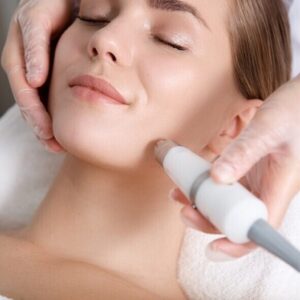
Dealing with persistent dark patches and uneven skin tone can be an emotional struggle that impacts how you see yourself in the mirror. In a region where the sun is exceptionally strong, many people develop melasma or post-inflammatory hyperpigmentation that traditional creams simply cannot reach. Chemical peels in Dubai have become a cornerstone of medical treatment for these stubborn pigment concerns. This process involves the application of a specialized chemical solution that lifts away the melanin-heavy surface cells while simultaneously signaling the deeper layers to inhibit future pigment production. Consequently, the skin gradually transforms from a patchy, uneven state to a more uniform and radiant appearance.
The biological nature of pigment irregularities
Hyperpigmentation occurs when melanocytes—the cells responsible for skin color—become overactive due to UV exposure, hormonal shifts, or inflammation. When you choose Chemical peels in Dubai, you are opting for a treatment that addresses this issue on two levels. First, it physically removes the existing dark spots by exfoliating the pigmented layers of the epidermis. Second, many modern peel formulations include “tyrosinase inhibitors” like azelaic or kojic acid. These ingredients work at a cellular level to slow down the enzyme that produces melanin. This dual-action approach is what makes professional peels far more effective for melasma than standard home exfoliation.
Identifying the difference between melasma and sunspots
Before starting a treatment plan, it is vital to understand the nature of your discoloration. Sunspots are typically superficial and respond quickly to light resurfacing. Melasma, however, is often deeper and driven by internal factors like hormones, making it more complex to treat. Chemical peels in Dubai are highly effective for both, but the strategy differs for each. While sun damage might require a series of glycolic peels, melasma often needs a gentler, more frequent approach to avoid “triggering” the pigment cells with too much heat or irritation. A professional assessment ensures that the depth of the peel matches the depth of your specific pigment.
Customizing chemical peels in Dubai for darker skin tones
One of the most important safety considerations in a diverse city is the patient’s skin tone. Individuals with more melanin are at a higher risk of “rebound” pigmentation if a peel is too aggressive. Therefore, specialists often utilize specialized Chemical peels in Dubai that feature mandelic acid or low-concentration TCA. These acids penetrate the skin more slowly and evenly, which prevents the inflammatory response that can lead to further darkening. By customizing the chemical blend to the patient’s ethnic background and skin sensitivity, practitioners can safely achieve a brighter, more even complexion without the risk of unwanted side effects.
Safety protocols: The importance of skin priming
For hyperpigmentation patients, the work begins long before the actual appointment. Safety protocols for Chemical peels in Dubai often involve a “priming” period of two to four weeks. During this time, you may be asked to use specific lightening agents and high-strength sun protection to “quiet” your pigment-producing cells. This preparation ensures that when the peel is applied, the skin reacts predictably and heals without complications. During the procedure itself, the clinician monitors the skin’s “end-point” with extreme precision, ensuring the acid is neutralized before it causes excessive inflammation. This meticulous care is the hallmark of professional medical-grade treatments.
What to expect during the pigment-shedding phase
After a treatment for hyperpigmentation, the dark spots may temporarily look darker before they begin to peel away. This is a normal part of the process, as the pigment is being drawn to the surface. Over the next five to seven days, the skin will begin to flake. It is essential to let these flakes fall off naturally; picking at the skin can cause new dark spots or even permanent scarring. Maintaining deep hydration with soothing, fragrance-free moisturizers will help the new, clearer skin settle into place. Within a week or two, most patients notice a visible “lifting” of their patches and a much brighter overall tone.
The non-negotiable rule of sun protection
If you are treating melasma or dark spots, the sun is your biggest challenge. Because Chemical peels in Dubai remove the outer protective layer of the skin, your new complexion is incredibly vulnerable to UV rays. If you step outside without protection, the sun can instantly trigger the melanocytes to produce more pigment as a defense mechanism, undoing all the progress of the peel. You must wear a broad-spectrum SPF 50 daily and reapply it every few hours. Wearing a wide-brimmed hat and seeking shade are also vital safety habits that will protect your investment and keep your skin clear for the long term.
Who should avoid intensive pigment treatments?
While peels are a powerful tool, they are not suitable for everyone. If you are pregnant or breastfeeding, certain acids used for pigmentation are generally avoided to ensure the safety of both mother and child. Additionally, if you have an active skin infection or have used certain light-sensitizing medications recently, you should postpone your session. Chemical peels in Dubai require a healthy skin barrier to be successful. If your skin is currently irritated from other laser treatments or harsh home products, a specialist will likely recommend a period of healing before proceeding with chemical resurfacing to ensure a safe and effective outcome.
Long-term maintenance for a uniform complexion
Managing hyperpigmentation is a marathon, not a sprint. While a single peel can offer dramatic improvement, maintaining a uniform tone usually requires a consistent schedule of “maintenance” peels every few months. This prevents the pigment from re-accumulating and keeps the skin turnover rate high. Furthermore, your home-care routine—including antioxidants and pigment-regulators—will be much more effective on freshly peeled skin. This combined approach of professional treatments and dedicated home care is the most reliable way to achieve and maintain a flawless, even-toned complexion that lasts through all seasons.
Conclusion
Reclaiming your skin from the shadows of hyperpigmentation and melasma is a journey toward renewed confidence and clarity. By utilizing the precision of advanced medical science, you can address these stubborn concerns safely and effectively. This process is about more than just aesthetics; it is about taking control of your skin’s health and feeling empowered in your own beauty. For those looking for a specialized and caring approach to pigment correction, Tajmeels Clinic provides the professional expertise and personalized attention necessary for lasting success. Your path to a brighter, more even, and confident future is supported by the highest standards of clinical excellence and patient safety.