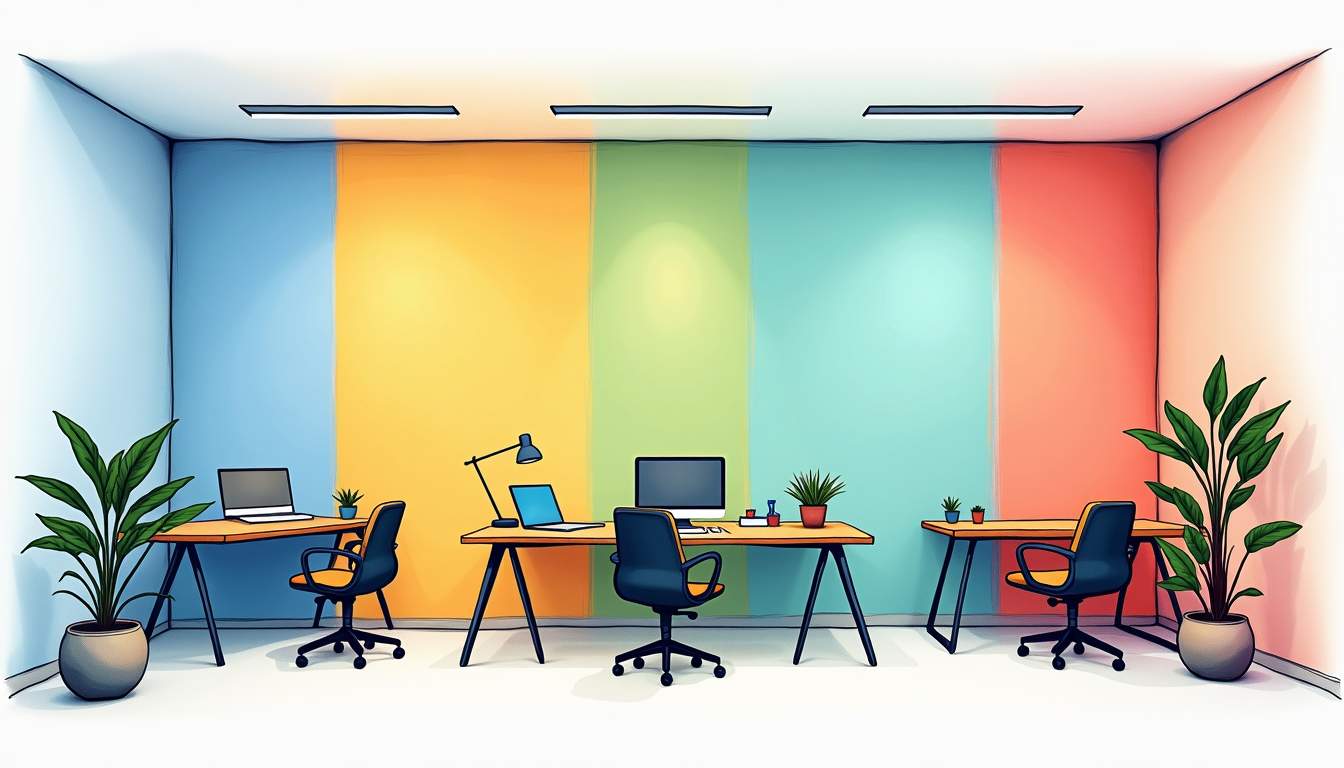
You walk into a workspace painted a dull, uninspiring gray. The walls seem to suck the energy out of the room, and your motivation dips almost instantly. Now imagine stepping into a room awash with soft blues or vibrant yellows. Suddenly, the atmosphere feels lighter, more energizing. Could the colors surrounding you really influence how well you work? The answer is yes-wall colors can play a surprisingly powerful role in boosting focus and productivity.
How Colors Affect the Brain
Colors don’t just decorate a room; they communicate directly with the brain. When light hits the retina, it sends signals to the hypothalamus, which controls mood, energy levels, and even hormone production. This means the colors in your environment can subtly shift your mental state without you even realizing it.
For example, blue is often linked to calmness and clarity. It can lower heart rates and reduce anxiety, making it easier to concentrate on complex tasks. On the other hand, red is stimulating and can raise energy levels, but it might also increase stress if overused. Green, the color of nature, promotes balance and relaxation, which can be helpful for sustained focus without fatigue.
The Science Behind Color Psychology
Studies in color psychology have shown that people tend to perform differently depending on the colors in their environment. One experiment found that participants working in blue rooms were more creative, while those in red rooms excelled at detail-oriented tasks. This suggests that the “right” color depends on the type of work being done.
But it’s not just about the color itself. Saturation and brightness also matter. Bright, intense colors can energize but might become distracting if too overwhelming. Softer, muted tones tend to be easier on the eyes and can sustain attention over longer periods. The psychological impact of colors can also vary based on personal experiences and cultural backgrounds. For instance, while white is often associated with purity and simplicity in Western cultures, it can symbolize mourning in some Eastern cultures. This highlights the complexity of color perception and its deep-rooted connections to individual and societal contexts.
Furthermore, the effects of color can extend beyond immediate emotional responses. Research indicates that colors can influence physical reactions as well, such as appetite and even productivity. For instance, warm colors like orange and yellow are known to stimulate appetite, which is why they are often used in restaurant decor. In contrast, cooler colors can suppress appetite, making them ideal for spaces where focus and concentration are prioritized, such as offices or study areas. Understanding these nuances can empower individuals and designers alike to create environments that enhance well-being and performance. For expert painting solutions, you can visit here.
Choosing Colors to Boost Focus
When selecting wall colors for a workspace, consider what kind of focus you need. Are you tackling creative projects, crunching numbers, or managing multiple tasks? Different hues support different mental states.
Blue: The Focus Enhancer
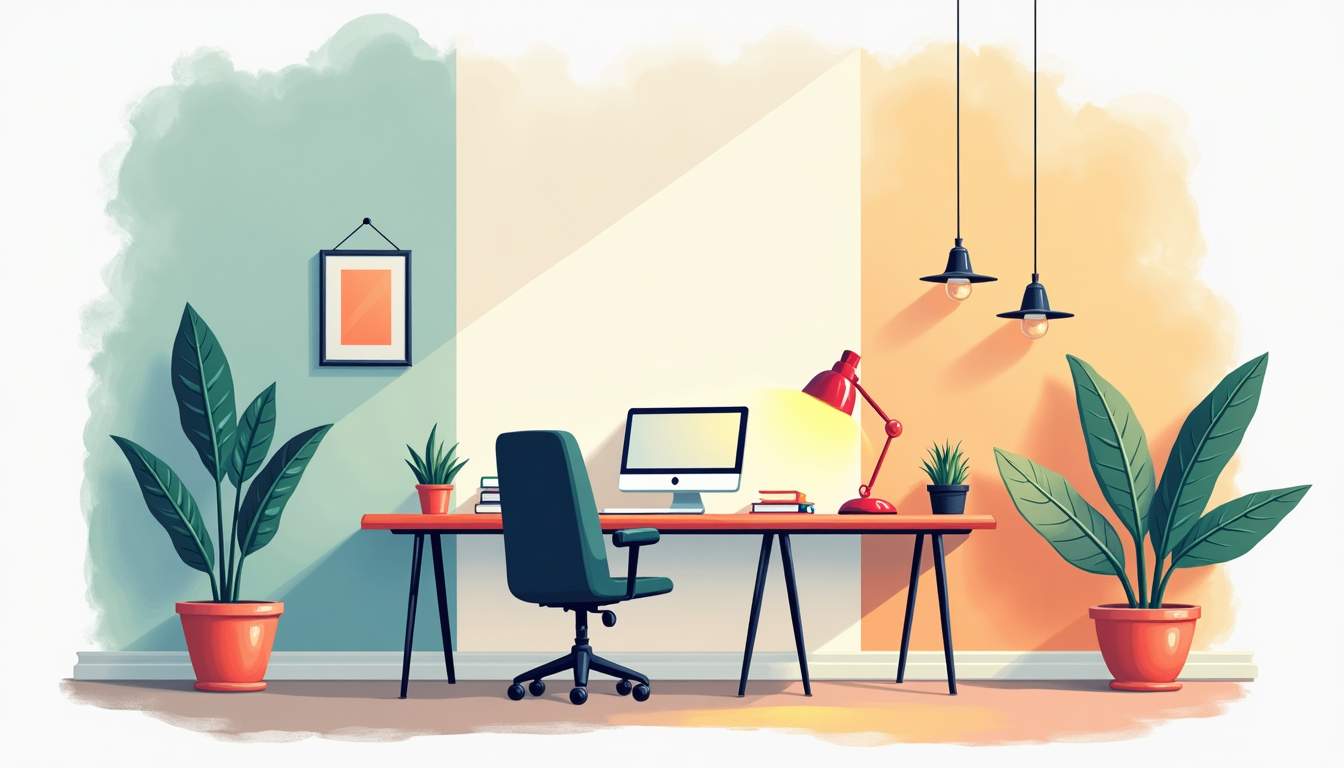
Blue is a favorite for many offices, and for good reason. It’s associated with calmness, trust, and stability. Light to medium shades of blue can help reduce distractions and create a serene environment conducive to deep work. If your job requires intense concentration, blue walls might be your best bet.
However, too much blue can sometimes feel cold or distant. Pairing it with warmer accents, like wooden furniture or soft lighting, can balance the mood and prevent the space from feeling sterile. Additionally, incorporating elements like plants or artwork in warm tones can create a more inviting atmosphere, fostering a sense of comfort and creativity that complements the calming effects of blue.
Green: The Balance Booster
Green occupies a sweet spot between stimulation and calm. It’s restful for the eyes and evokes nature, which can reduce mental fatigue. Offices with green walls often feel refreshing and balanced, helping workers maintain steady focus throughout the day.
Green is especially useful in environments where people switch between different types of tasks, as it supports both creativity and analytical thinking. Plus, it’s less common than blue, so it can make your workspace feel unique. To enhance the benefits of green, consider adding natural elements like indoor plants or nature-inspired artwork, which can further promote a sense of well-being and connection to the outdoors, ultimately enhancing focus and productivity.
Yellow: The Energy Igniter
Yellow is bright, cheerful, and energizing. It stimulates the brain and can boost optimism and motivation. If your work involves brainstorming, problem-solving, or teamwork, yellow walls might encourage a more dynamic, collaborative atmosphere.
But be cautious—too much yellow can cause eye strain or feelings of agitation. It’s best used as an accent color or in lighter, softer shades to keep the mood positive without overwhelming the senses. Consider pairing yellow with neutral tones or complementary colors like gray or white to create a balanced look that maintains energy while ensuring the space remains comfortable and inviting. Additionally, integrating yellow through accessories like cushions, art, or even office supplies can infuse your workspace with vibrancy without dominating the overall design.
Colors to Avoid for Productivity
Not all colors are created equal when it comes to workspaces. Some hues can hinder productivity by causing distraction, stress, or discomfort.
Red: The Double-Edged Sword
Red is intense and attention-grabbing, which can be helpful for short bursts of energy or alertness. However, in a workspace, red walls can become overstimulating and increase feelings of anxiety or aggression. It’s generally not recommended as a dominant wall color for areas where sustained focus is needed. In fact, studies have shown that prolonged exposure to red can lead to increased heart rates and heightened stress levels, making it difficult to concentrate on tasks that require deep thinking or creativity. Instead, consider using red as an accent color in small doses, such as in artwork or office accessories, to harness its energizing effects without overwhelming the senses.
Dark Colors: The Mood Dampeners
Dark shades like deep browns, blacks, or dark grays can make a room feel cramped or gloomy. While some people find these colors sophisticated, they often reduce natural light reflection and can contribute to feelings of lethargy or low motivation. If you prefer darker tones, use them sparingly or balance them with lighter colors and ample lighting. Incorporating lighter elements, such as white or pastel furniture, can help to create a more inviting atmosphere. Additionally, adding plants or artwork with vibrant colors can provide a refreshing contrast that lifts the mood and encourages creativity. Remember, the goal is to create a harmonious environment that fosters productivity while maintaining a sense of comfort and well-being.
Practical Tips for Using Color to Enhance Your Workspace
Choosing the right wall color is just one piece of the puzzle. How you apply and combine colors can make a big difference in your work environment.
Start with the Purpose of the Space
Think about what you want to achieve in your workspace. Is it a place for deep focus, creative brainstorming, or frequent meetings? Tailor your color choices to those goals. For example, a quiet study room might benefit from calming blues or greens, while a collaborative area could thrive with energetic yellows or oranges.
Use Accent Walls and Color Blocking
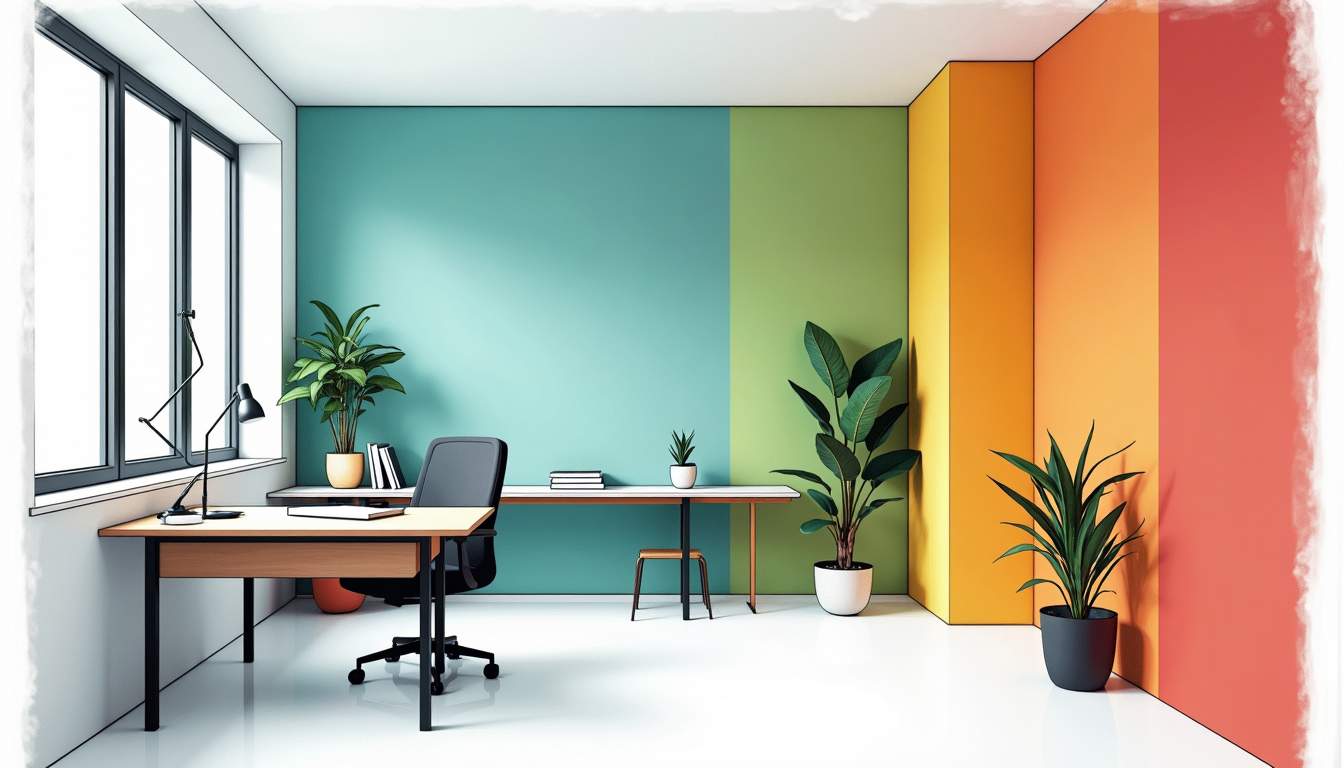
If you’re hesitant to paint an entire room a bold color, try an accent wall. This allows you to introduce stimulating colors without overwhelming the space. Color blocking-painting sections of a wall in different colors-can also create visual interest and help define different zones within an office.
Consider Lighting and Furnishings
Natural and artificial lighting affect how colors appear. A blue wall in bright sunlight might feel vibrant and fresh, but the same shade under dim lighting could seem dull. Test paint samples at different times of day before committing.
Furniture and decor also influence the overall vibe. Warm wood tones can soften cool colors, while metallic accents can add energy to neutral walls.
Personalize Your Palette
Individual preferences and cultural associations with color vary. What energizes one person might distract another. If possible, involve your team in color decisions or choose hues that resonate with your personal style and comfort.
Beyond Walls: Other Color Considerations for Productivity
Wall color is important, but it’s not the only way color impacts your workday. Office supplies, artwork, and even your computer interface can contribute to your mental state.
Desk Accessories and Organization
Brightly colored organizers, pens, or mousepads can provide small bursts of energy and help keep you motivated. Using colors strategically on your desk can improve mood and make routine tasks more enjoyable.
Digital Environments
Screen backgrounds, app themes, and website designs also influence focus. Many productivity apps offer customizable color schemes. Choosing calming or energizing colors on your devices can complement your physical environment.
Break Areas and Rest Zones
Spaces designed for relaxation should use colors that promote restfulness, like soft greens or muted blues. This helps employees recharge and return to work with renewed focus.
Final Thoughts: Color as a Tool, Not a Cure-All
While the right wall colors can definitely enhance focus and productivity, they’re just one part of a healthy work environment. Lighting, ergonomics, noise levels, and workflow design all matter. Color works best when integrated thoughtfully into a broader strategy for workplace well-being.
Experimentation is key. Start small-paint a single wall or add colorful accents-and observe how it affects your mood and output. Over time, you’ll discover the palette that helps you and your team thrive.
So, can the right wall colors improve focus and productivity at work? Absolutely. The trick is choosing colors that align with your work style and creating a balanced, inspiring space that keeps you engaged day after day.