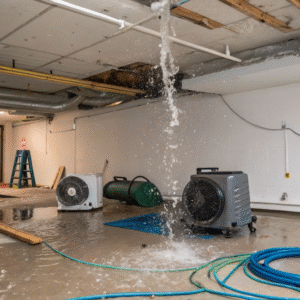
Water damage is one of the most disruptive events a homeowner or business can face. Whether caused by a burst pipe, severe storm, leaking roof, or flooding, the aftermath can leave you with more than just wet floors. Left untreated, water damage can compromise the structural integrity of your property, lead to hazardous mold growth, and create financial burdens. But what if water damage didn’t just represent a setback? What if it could be the starting point for transforming your home or commercial space into a safer, modern, and more resilient environment?
Understanding Water Damage and Its Risks
Water damage isn’t a one-size-fits-all problem. It ranges from clean water incidents, such as a leaking faucet or pipe, to grey water from washing machines or dishwashers, and black water, which may include sewage and floodwater. Each type carries its own risks and requires specific handling.
Immediate structural effects can include warped floors, buckled walls, and compromised foundations. Even after water is removed, long-term effects like wood rot, peeling paint, and weakened support beams can threaten the safety of your property. Additionally, stagnant water creates a breeding ground for mold and bacteria, which can pose serious health risks for anyone living or working in the space. This is why prompt professional assessment and intervention are crucial.
The Restoration Process – From Damage to Recovery
Restoring a property after water damage is a detailed and meticulous process that involves multiple steps.
Inspection and Assessment: The first step involves evaluating the extent of the damage. Experts examine structural elements, hidden moisture behind walls or under floors, and potential mold growth. This assessment forms the roadmap for the restoration process.
Water Extraction and Drying: Removing standing water quickly is essential to prevent further damage. Advanced equipment, such as industrial pumps and dehumidifiers, is used to dry out the affected areas efficiently. Thorough drying prevents secondary issues, such as swelling, warping, or mold growth.
Mold Remediation and Sanitation: Once moisture is under control, mold remediation begins. Mold can develop within 24-48 hours in damp environments, making timely removal crucial. Professionals employ specialized techniques to remove mold and sanitize the area, ensuring a safe and healthy environment.
Structural Repairs and Material Replacement: Water-damaged materials like drywall, insulation, and flooring are repaired or replaced. Structural repairs may involve reinforcing beams, repairing foundations, or updating plumbing and electrical systems compromised by water exposure.
Final Inspection and Verification: After repairs are completed, a thorough inspection ensures that the space is safe, dry, and free from mold or lingering damage. This step guarantees that the property meets both safety and aesthetic standards.
Transforming Spaces During Restoration
Water damage restoration doesn’t have to be about returning a property to its previous state. In fact, it can be an opportunity to reimagine your space. Many property owners use this chance to incorporate modern design elements, upgrade materials, and improve the overall functionality of their home or business.
Durable materials like water-resistant flooring, moisture-proof wall coatings, and energy-efficient windows can prevent future water damage. Upgrading layouts or fixtures—like installing open-plan designs, modern kitchens, or updated bathroom spaces—turns recovery into a redesign opportunity. Restoration projects can also include sustainability improvements, such as energy-efficient lighting, smart home systems, and water-saving appliances, creating a more resilient and environmentally conscious space.
Safety Considerations During and After Restoration
Safety must be a priority during any restoration project. Mold prevention, air quality monitoring, and structural reinforcement are essential to creating a secure environment. Electrical and plumbing systems must be thoroughly inspected to prevent hazards.
During the restoration process, it’s important to protect your family, employees, or tenants from exposure to mold, chemicals, or structural hazards. After the restoration, implementing preventative measures, such as regular inspections, proper drainage systems, and humidity control, helps minimize the risk of future water damage.
Turning a Disaster into a Long-Term Investment
While water damage is often viewed as a negative event, it can also present an opportunity to increase your property’s value. Renovated and modernized spaces attract buyers or tenants, making the investment worthwhile. Beyond aesthetics and functionality, a safe, restored environment provides peace of mind and a sense of security.
Many property owners have successfully transformed water-damaged spaces into luxurious, updated homes or efficient, safe commercial spaces. These transformations not only improve daily living or operational conditions but also offer long-term returns, both financially and emotionally. Recovering from water damage with a strategic approach ensures your property is resilient, modern, and prepared for the future.
Conclusion
Water damage doesn’t have to be the end of the story for your property. With timely intervention, professional restoration, and strategic upgrades, it can be the beginning of a transformation. From repairing structural damage to redesigning spaces, every step of the process is an opportunity to create a safe, modern, and efficient environment.
By addressing water damage promptly and taking a proactive approach to restoration, property owners can turn disasters into opportunities, ensuring long-term safety, improved aesthetics, and increased property value. Don’t wait for the damage to worsen—take action, restore your property, and embrace the chance to transform your space.
For expert water damage restoration services, visit:
https://newnanwaterdamagerestoration.com/