Understanding Chemical Peels
A chemical peel involves applying a solution to the skin that exfoliates the outer layers, encouraging the growth of new, healthier skin. The depth of the peel determines the intensity of the treatment and the sensations experienced. Superficial peels affect only the outermost layer of the skin, medium peels penetrate deeper into the dermis, and deep peels reach the lower layers of the skin. Each type of peel offers different benefits and has a unique experience in terms of comfort and recovery.
The sensation felt during a chemical peel depends on the type and strength of the solution, the area being treated, and an individual’s skin sensitivity. For some, the process feels gentle and refreshing, while others may experience tingling, warmth, or mild stinging. Understanding these variations can help set realistic expectations and reduce anxiety.

Sensations During a Chemical Peel
The experience during a chemical peel varies based on the depth of the treatment.
Superficial Peels
Superficial peels are the mildest type of chemical peel. They often use gentle acids to exfoliate the skin’s surface. Most people describe the sensation as a light tingling or a mild warming feeling. There is generally minimal discomfort, and the procedure is considered gentle for the majority of individuals. Superficial peels are often used to treat minor imperfections, such as dullness, minor discoloration, and very fine lines, without causing significant irritation.
Medium Peels
Medium peels penetrate deeper into the skin and require a slightly stronger solution. During the application, it is common to feel a stronger tingling, warmth, or mild stinging sensation. Some areas of the face, such as around the eyes or near the mouth, may feel more sensitive due to thinner skin. While this sensation can be noticeable, it is usually tolerable and temporary. The peel is carefully monitored to ensure that it remains safe and effective without causing excessive discomfort.
Deep Peels
Deep peels are the most intensive type of chemical peel, reaching the lower layers of the skin to address pronounced wrinkles, sun damage, and other significant skin concerns. Because of their depth, deep peels can cause stronger sensations, including heat, tingling, or tightness during application. These peels often require more careful monitoring, and some level of discomfort is expected. However, the intensity is controlled throughout the procedure to ensure safety and effectiveness. Despite the sensations, the benefits of deep peels in rejuvenating the skin are significant.
Factors That Influence Comfort
Several factors influence whether a chemical peel feels painful or gentle. Individual skin sensitivity is a key consideration, as some people naturally experience stronger sensations than others. The area of the face being treated also plays a role, with thinner skin areas often feeling more sensitive.
The concentration and type of chemical solution are equally important. Milder acids and lower concentrations generally result in a more comfortable experience, while stronger acids used in medium and deep peels can produce more noticeable sensations. Skin preparation and aftercare can also affect comfort levels. Proper cleansing and gentle handling of the skin before and after the peel help minimize irritation.
How Sensations Are Managed
During a chemical peel session, various techniques are used to ensure that sensations remain manageable. For superficial and mild medium peels, the tingling or warmth usually subsides shortly after the solution is applied. For stronger medium or deep peels, the practitioner may carefully control the duration of exposure to the solution and use soothing agents to maintain comfort.
Many individuals find that focusing on relaxation techniques, such as slow breathing or keeping the eyes closed during the procedure, helps reduce sensitivity. While some level of sensation is normal, it is rarely intolerable, and the peel is designed to be safe while achieving the desired results.
Post-Peel Sensations
After the procedure, it is normal for the skin to feel slightly tight, warm, or sensitive. These sensations vary depending on the depth of the peel. Superficial peels often leave the skin feeling refreshed and smooth, with minimal discomfort. Medium peels may result in temporary redness, slight swelling, or flaking as the skin begins its renewal process. Deep peels can leave the skin more sensitive for a longer period, but these effects gradually subside as healing progresses.
Managing post-peel sensations is an important part of the recovery process. Keeping the skin hydrated, avoiding harsh products, and protecting it from sun exposure help maintain comfort while supporting optimal healing.
Emotional Comfort and Anxiety
For many individuals, the perception of pain is influenced by emotional comfort and preparedness. Understanding the process, knowing what to expect, and being aware of normal sensations can reduce anxiety and make the treatment feel gentler. Superficial and mild medium peels are generally considered gentle, both physically and emotionally, while deeper peels may feel more intense but are still manageable with proper care and preparation.
Benefits Outweigh the Sensations
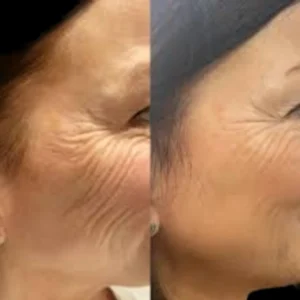
Even though chemical peels may cause temporary tingling, warmth, or sensitivity, the benefits often outweigh these minor sensations. Chemical peels can improve skin texture, reduce fine lines, minimize pigmentation irregularities, and promote overall skin rejuvenation. Many individuals report that the results justify the temporary sensations experienced during and after the procedure.
Understanding that sensations are temporary and part of the skin renewal process helps individuals approach the treatment with a positive mindset. With appropriate care, both during and after the session, the skin recovers comfortably and reveals noticeable improvements.
Conclusion
Chemical peels can range from gentle and soothing to moderately intense, depending on the type and depth of the peel. Superficial peels are generally gentle and cause minimal discomfort, while medium peels produce a stronger tingling or warming sensation. Deep peels are the most intensive and can feel more pronounced, but the sensations are carefully controlled to ensure safety and effectiveness.
Individual factors such as skin sensitivity, the area being treated, and the type of solution used influence comfort levels. Proper preparation, post-peel care, and emotional readiness can significantly enhance the overall experience. While some sensations are expected, they are temporary and manageable, and the benefits of smoother, brighter, and rejuvenated skin make the treatment worthwhile.
Chemical peels offer a balance between comfort and effectiveness, making them a valuable option for anyone seeking to improve skin health, texture, and appearance while minimizing discomfort during the process.