Hair loss affects millions of people worldwide, influencing appearance, self-confidence, and emotional well-being. FUE Hair Transplant in Abu Dhabi has emerged as one of the most advanced hair restoration methods due to its precision, minimally invasive approach, and natural results. While FUE is considered generally safe, like any surgical procedure, it carries potential risks that patients should be aware of before deciding to undergo treatment. Understanding these risks helps individuals make informed choices and prepare for the procedure responsibly.
Understanding FUE Hair Transplant
FUE, or Follicular Unit Extraction, is a hair transplant method in which individual hair follicles are extracted from a donor area—typically the back or sides of the scalp—and implanted in areas affected by thinning or baldness. Unlike older methods, such as Follicular Unit Transplantation (FUT), FUE does not involve removing a strip of scalp, which minimizes scarring and speeds up recovery.
The procedure relies on precision and meticulous handling of hair follicles to achieve natural-looking results. FUE is favored for its minimally invasive nature, faster healing, and versatility in treating various patterns of hair loss.
Potential Risks and Considerations
Although FUE is generally safe, it is important to recognize that no surgical procedure is entirely without risk. The potential risks of FUE hair transplant surgery primarily relate to the procedure itself, the healing process, and individual patient factors.
Temporary Discomfort and Tenderness
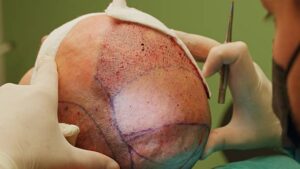
Some degree of discomfort, tenderness, or mild soreness in the donor and recipient areas is common after the procedure. While this is usually manageable, it may vary based on the extent of the transplant, individual sensitivity, and adherence to post-procedure care guidelines.
Swelling and Redness
Swelling and redness in the scalp, forehead, or surrounding areas can occur following FUE surgery. These are natural responses to minor tissue trauma and typically resolve within a few days. Although not dangerous, noticeable swelling may affect appearance temporarily.
Infection Risk
Any procedure that involves small incisions carries a minor risk of infection. Proper hygiene, careful post-procedure care, and following medical guidance minimize the likelihood of infection. In most cases, infections are mild and can be managed effectively.
Poor Hair Growth or Uneven Results
While FUE aims to provide permanent, natural-looking hair, there is a risk that some transplanted follicles may not grow as expected. Factors influencing growth include the quality of donor hair, handling of follicles during the procedure, and individual healing patterns. In some cases, additional sessions may be required to achieve the desired density or uniformity.
Scarring in the Donor Area
FUE is designed to minimize visible scarring, leaving only small, dot-like marks. However, in rare cases, some individuals may develop more noticeable scarring due to individual healing differences, skin type, or the number of follicles extracted. Careful technique and proper post-procedure care reduce this risk significantly.
Numbness or Tingling Sensation
Patients may experience temporary numbness, tingling, or a sensation of tightness in the donor or recipient area. These sensations are usually short-lived and resolve naturally as the nerves and tissues recover.
Shock Loss
“Shock loss” refers to temporary shedding of existing hair near the transplanted area. This is a natural reaction of the scalp to trauma from follicle implantation. While the hair typically regrows over time, it can temporarily affect appearance and may cause anxiety for patients unaware of this phenomenon.
Allergic or Sensitivity Reactions
Although rare, some individuals may experience mild allergic reactions to materials used during the procedure, such as antiseptics or local anesthesia. Pre-procedure assessments usually identify potential sensitivities to minimize this risk.
Overharvesting of Donor Hair
Extracting too many follicles from the donor area can result in thinning or an unnatural appearance in that region. Experienced practitioners carefully plan the number and placement of extractions to preserve the donor area and maintain a natural look.
Healing Variability
Individual healing rates vary due to factors such as age, overall health, and skin type. While most patients heal quickly, slower healing can affect hair follicle survival, hair growth rate, and recovery experience.
Factors That Influence the Risks of FUE
Several factors can increase or decrease the likelihood of experiencing risks during or after an FUE hair transplant:
Surgeon Experience
The skill and experience of the practitioner play a significant role in minimizing risks. Proper extraction, careful handling of follicles, and precise implantation reduce the likelihood of poor growth, scarring, and uneven results.
Patient Health
Overall health, including chronic conditions, nutritional status, and lifestyle factors, can impact healing, hair growth, and risk of complications. Healthy individuals tend to have faster recovery and better outcomes.
Post-Procedure Care
Following recommended care guidelines is essential for minimizing risks. This includes gentle washing, avoiding excessive pressure or trauma to the scalp, and adhering to instructions regarding physical activity.
Hair and Scalp Characteristics
The quality, density, and thickness of donor hair, as well as scalp elasticity and skin type, affect how well transplanted follicles survive and grow. Patients with fragile hair or sensitive scalp skin may experience increased risk of complications.
Minimizing Risks of FUE Surgery
While FUE is generally low-risk, several measures can further minimize potential issues:
-
Thorough Consultation: A detailed evaluation of hair loss pattern, donor hair quality, and overall health ensures suitability for the procedure.
-
Experienced Practitioner: Choosing a practitioner with extensive FUE experience reduces the risk of follicle damage and poor growth.
-
Post-Procedure Instructions: Adhering to care recommendations, including gentle washing, protecting the scalp, and avoiding strenuous activity, supports optimal healing.
-
Monitoring Progress: Regular follow-up during the first few months allows early identification of any issues and timely corrective measures.
Advantages of FUE Despite Potential Risks
Despite the possible risks, FUE hair transplant surgery offers significant advantages that often outweigh the potential complications:
-
Minimally Invasive: Small, individual extractions reduce trauma compared to older methods.
-
Minimal Scarring: Dot-like marks in the donor area are almost invisible.
-
Natural Results: Precision implantation ensures hair growth mimics natural patterns.
-
Permanent Solution: Transplanted follicles are generally resistant to hair loss, providing long-term restoration.
-
Short Recovery Time: Most patients resume normal activities quickly with minimal downtime.
Conclusion
FUE hair transplant surgery is a highly effective and generally safe method for addressing hair loss. While there are potential risks—such as temporary discomfort, swelling, shock loss, uneven growth, or minor scarring—these can be managed with proper planning, careful technique, and attentive post-procedure care.
Understanding the factors that influence risk, including surgeon expertise, patient health, and hair characteristics, allows individuals to make informed decisions and prepare for the procedure responsibly. Despite the minor potential complications, the long-term benefits of FUE, including natural-looking, permanent hair restoration and minimal invasiveness, make it one of the most popular choices for hair restoration worldwide.
Frequently Asked Questions (FAQs)
Is FUE hair transplant completely risk-free?
No surgical procedure is entirely risk-free, but FUE is generally considered safe when performed by an experienced practitioner.
Can transplanted hair fail to grow?
In some cases, certain follicles may not grow as expected, but most patients achieve permanent and natural results.
Will I have scars after FUE?
FUE leaves tiny dot-like marks that are usually barely visible, even when the hair is short.
Is infection common after FUE?
Infections are rare when proper hygiene and care are maintained.
Can risks be minimized?
Yes, careful planning, choosing a skilled practitioner, following post-procedure care, and maintaining overall health significantly reduce potential risks.