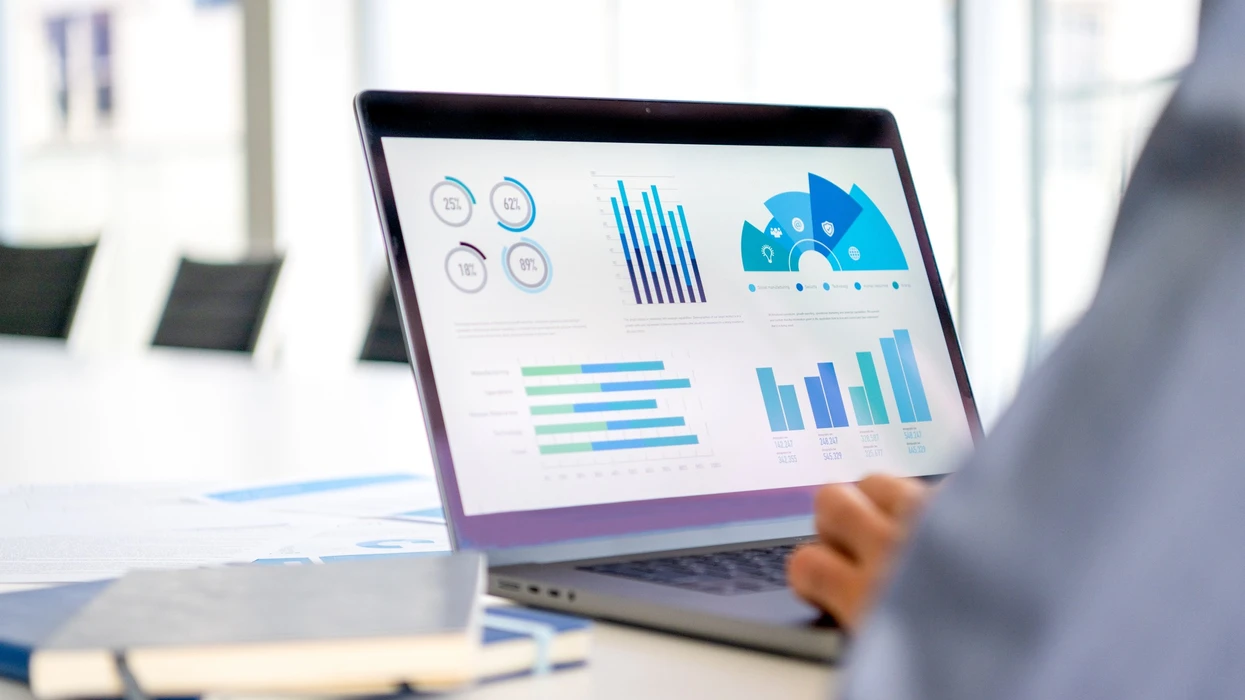
Managing accounting teams has traditionally relied on physical offices, face‑to‑face supervision, and paper‑based approvals. With the rapid shift toward remote and hybrid work, organizations are now required to rethink how accounting teams operate on a daily basis. Cloud software has emerged as the backbone that makes remote accounting practical, secure, and scalable. It enables real‑time access to financial data, seamless collaboration, and consistent controls regardless of team location. When implemented correctly, cloud software does not weaken financial governance; instead, it strengthens visibility and accountability. This article explains, in detail, how every aspect of managing remote accounting teams can be optimized using cloud software.
The Remote Accounting Landscape: Why Cloud Matters
The accounting landscape has evolved significantly as businesses adopt digital‑first strategies. Cloud accounting systems allow finance teams to access ledgers, reports, and documents from anywhere without relying on on‑premise servers. This flexibility supports remote hiring, global operations, and uninterrupted financial workflows. Cloud platforms also provide automatic updates, ensuring compliance with accounting standards and regulatory changes. Real‑time collaboration eliminates version control issues common in spreadsheet‑based systems. Overall, the cloud has become essential rather than optional for modern remote accounting management.
Benefits and Challenges of Remote Accounting Teams
Benefits of Remote Accounting Teams
Remote accounting teams give organizations access to a wider talent pool without geographical limitations. Businesses can hire skilled accountants, auditors, and finance specialists from different regions while maintaining centralized systems. Cloud software reduces infrastructure and office costs while improving scalability as transaction volumes grow. Employees often experience better work‑life balance, which improves retention and productivity. Real‑time reporting allows management to make faster decisions based on up‑to‑date financial data. These benefits collectively make remote accounting both cost‑effective and operationally efficient.
Challenges of Managing Remote Accounting Teams
Despite its advantages, remote accounting introduces operational and managerial challenges. Data security becomes more complex when employees access systems from multiple locations and devices. Communication gaps may arise without structured processes and defined channels. Monitoring performance and ensuring accountability can be difficult without real‑time visibility. Training new hires remotely requires more planning and documentation than in‑office onboarding. Without proper governance, these challenges can undermine financial accuracy and compliance.
Choosing the Right Cloud Accounting Stack
Core Components of a Cloud Accounting Stack
A cloud accounting stack consists of multiple integrated tools working together. The core accounting or ERP system manages the general ledger, AP, AR, and reporting functions. Document management systems store invoices, receipts, and contracts securely with search capabilities. Expense and payroll software automate employee‑related transactions and reduce manual entries. Collaboration tools support communication and task coordination across remote teams. When these components are integrated properly, they create a unified and efficient accounting environment.
Evaluation Criteria for Cloud Software
Selecting cloud software requires careful evaluation beyond basic features. Security certifications such as SOC 2 or ISO standards indicate vendor reliability. Integration capabilities determine how smoothly data flows between systems. User experience affects adoption and productivity among accountants and non‑finance staff. Scalability ensures the software grows with the business. Cost transparency helps organizations budget accurately without hidden subscription expenses.
Designing Remote‑Friendly Accounting Workflows
Mapping Accounting Processes End‑to‑End
Remote accounting success begins with clearly mapped processes. Each workflow, from invoice receipt to financial reporting, must be documented step by step. Process maps define responsibilities, timelines, and approval points. Cloud tools should be embedded directly into these workflows to eliminate manual handoffs. Clear documentation ensures consistency even when team members work across different time zones. This structure minimizes confusion and operational delays.
Role‑Based Access and Controls
Role‑based access ensures that team members only see and edit data relevant to their responsibilities. This approach reduces security risks and supports internal controls. Cloud software allows granular permission settings that can be updated instantly. Periodic access reviews prevent privilege creep as roles change. Clear access policies also simplify audits and compliance reviews. Proper controls maintain data integrity in remote environments.
Workflow Automation and Approvals
Automation plays a critical role in remote accounting workflows. Invoice approvals, journal entries, and payment processing can be routed automatically. Approval hierarchies ensure accountability without slowing down operations. Automated workflows reduce reliance on emails and spreadsheets. They also create digital audit trails that are easy to review. As a result, accuracy and efficiency improve simultaneously.
Onboarding and Training Remote Accountants
Structured Remote Onboarding
Remote onboarding requires intentional planning and structure. New hires must receive system access, documentation, and schedules before their first day. A clear onboarding plan reduces uncertainty and accelerates productivity. Cloud‑based learning materials allow self‑paced training. Virtual introductions help new team members feel connected. A smooth onboarding experience sets the tone for long‑term success.
Continuous Training and Skill Development
Accounting standards, tax laws, and software features change frequently. Continuous training ensures remote accountants stay current and confident. Cloud platforms often provide updates and learning resources. Regular internal training sessions reinforce best practices. Knowledge sharing within the team promotes consistency. Ongoing development improves both performance and engagement.
Ensuring Data Security and Regulatory Compliance
Identity and Access Management
Strong identity management is essential for remote accounting security. Multi‑factor authentication prevents unauthorized access. Single sign‑on simplifies login processes while maintaining control. Access rights should align with job roles and responsibilities. Regular reviews help identify security gaps. These measures protect sensitive financial data.
Compliance and Audit Readiness
Cloud systems support compliance by maintaining audit trails and logs. Every transaction and approval is recorded automatically. Regulatory requirements vary by jurisdiction, making centralized compliance management critical. Secure document retention ensures records are available when needed. Audit readiness becomes a continuous state rather than a last‑minute effort. This approach reduces stress and risk during audits.
Communication, Collaboration, and Team Culture
Establishing Clear Communication Protocols
Effective communication is vital for remote accounting teams. Clear guidelines define which tools to use for different types of communication. Response time expectations reduce uncertainty and delays. Structured meetings keep everyone aligned on priorities. Cloud collaboration tools centralize discussions and files. Consistent communication improves coordination and trust.
Building a Strong Remote Culture
Team culture does not disappear in remote settings; it simply requires different approaches. Virtual meetings and informal check‑ins build relationships. Recognition and feedback motivate team members. Transparency from leadership fosters trust. Encouraging open dialogue reduces isolation. A strong culture supports long‑term performance.
Managing Performance and KPIs for Remote Teams
Defining Relevant Accounting KPIs
Performance management in remote accounting focuses on outcomes rather than hours worked. KPIs such as close cycle time, error rates, and DSO provide measurable insights. Cloud dashboards display real‑time performance data. Clear targets align individual efforts with organizational goals. Metrics encourage accountability and continuous improvement. Proper KPI tracking supports informed decision‑making.
Feedback and Performance Reviews
Regular feedback keeps remote accountants engaged and aligned. One‑on‑one meetings address challenges and development goals. Performance reviews should combine quantitative metrics with qualitative feedback. Cloud tools provide objective data to support discussions. Transparent evaluations build trust and motivation. Continuous feedback prevents issues from escalating.
Integrations and Automation to Reduce Manual Work
Accounting Integrations
Integrations connect accounting systems with banks, payroll, and business applications. Automated data flows reduce manual entry and errors. Real‑time synchronization improves reporting accuracy. Integrated systems save time during month‑end close. Cloud APIs make customization possible when needed. Integrations are essential for scalable remote accounting.
Advanced Automation Opportunities
Automation extends beyond basic integrations. Rules‑based workflows handle recurring transactions. OCR technology captures invoice data automatically. RPA can manage repetitive tasks not covered by native tools. Exception handling ensures accuracy is maintained. Advanced automation frees accountants to focus on analysis and strategy.
Handling Audits and External Stakeholders Remotely
Remote Audit Management
Cloud software simplifies remote audits by centralizing evidence and documentation. Auditors can access records securely without physical visits. Read‑only access preserves data integrity. Digital audit trails support transparency. Request tracking improves responsiveness. Remote audits become faster and more efficient.
Managing Vendors and Regulators
External stakeholders rely on timely and accurate financial information. Cloud platforms enable secure sharing of reports and documents. Clear communication protocols reduce misunderstandings. Centralized records ensure consistency. Compliance deadlines are easier to manage. Strong stakeholder management builds credibility and trust.
Common Pitfalls and How to Avoid Them
Organizations often underestimate the planning required for remote accounting. Poor tool selection can hinder productivity. Inadequate security exposes sensitive data. Lack of documentation creates confusion. Over‑automation without oversight leads to errors. Avoiding these pitfalls requires deliberate strategy and continuous monitoring.
Implementation Roadmap for Remote Accounting Teams
A phased implementation approach reduces risk and disruption. Planning defines objectives and requirements. Selection ensures the right tools and workflows. Migration transitions data and processes carefully. Optimization refines performance and automation. Ongoing evaluation sustains long‑term success.
Why Choose Practice PA for Managing Remote Accounting Teams
Practice PA is designed specifically to support accountants and accounting firms managing work in remote and hybrid environments. It centralizes task management, client records, deadlines, and communication in one secure cloud platform. With Practice PA, managers gain real‑time visibility into staff workloads, ensuring no task or compliance deadline is missed. Automated reminders and workflow tracking reduce manual follow‑ups and client chasing. The platform supports secure document storage, making remote collaboration simple and audit‑ready. Overall, Practice PA empowers accounting teams to work efficiently, stay compliant, and deliver consistent service quality from anywhere.
Conclusion
Managing remote accounting teams using cloud software is no longer optional in today’s business environment. Cloud platforms provide the flexibility, security, and efficiency required to support distributed finance teams. However, success depends on thoughtful implementation, strong governance, and effective leadership. By combining technology with clear processes and a supportive culture, organizations can achieve accurate, compliant, and scalable accounting operations. Remote accounting, when managed well, becomes a strategic advantage rather than a challenge.


