Understanding FUE Hair Transplant Sessions
An FUE hair transplant involves removing individual hair follicles from a donor area, typically the back or sides of the scalp, and transplanting them into thinning or bald areas. Each session can handle a limited number of follicles due to the time and precision required to ensure successful graft survival.
Because of this limitation, the size of the bald or thinning area may determine whether more than one session is required. Smaller areas with minimal hair loss can often be addressed in a single procedure, while larger areas may require additional sessions to achieve optimal coverage and density.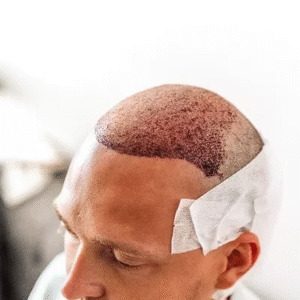
Factors That Determine the Need for Multiple Sessions
Extent of Hair Loss
The severity and size of the area affected by hair loss are key factors. Individuals with limited thinning may achieve satisfactory results in one session. In contrast, those with extensive hair loss, such as advanced baldness, often benefit from multiple sessions to gradually restore density without overtaxing the donor area.
Donor Hair Availability
Donor hair supply plays a crucial role in determining session requirements. The scalp has a finite number of healthy follicles available for transplantation. When large areas require restoration, spreading the procedure across multiple sessions ensures that follicles are preserved and strategically distributed for natural-looking results.
Desired Density
Achieving a natural and aesthetically pleasing hair density sometimes requires more than one session. Attempting to transplant all follicles in a single session may result in overcrowding or uneven distribution, which can compromise the natural appearance. Multiple sessions allow for careful layering and placement of follicles to achieve balanced density.
Hair Characteristics
Hair texture, thickness, and curl can influence session planning. Fine or straight hair may require more follicles to achieve the same visual effect as thicker or curly hair. In such cases, multiple sessions may be used to ensure the transplanted hair looks full and blends seamlessly with existing hair.
Benefits of Multiple Sessions
Multiple sessions offer several advantages for both the patient and the overall outcome. They allow for precise planning and execution, ensuring that the transplanted hair grows naturally and maintains proper density.
By spacing out procedures, patients also experience less stress on the donor area. This approach prevents overharvesting and ensures that follicles remain healthy and viable for future sessions. Additionally, multiple sessions allow for adjustments based on hair growth progress observed after the first session, helping refine the overall result.
Typical Timeline Between Sessions
When multiple sessions are required, they are usually spaced several months apart. This gap allows the transplanted hair to grow and stabilize, making it easier to assess the results before proceeding with the next session. Typically, the interval ranges from six to twelve months, depending on the patient’s growth pattern, healing, and overall progress.
This staged approach ensures that the scalp recovers fully between sessions and reduces the risk of overloading the donor area. Patients can gradually build density while monitoring hair growth and adjusting the plan as needed.
Considerations for Staged Hair Restoration
Staged hair restoration through multiple FUE sessions is particularly useful for individuals with advanced hair loss or those aiming for maximum density. Each session can be carefully planned to address specific areas, such as the hairline, mid-scalp, or crown, in a manner that optimizes aesthetic results.
Staging also allows for flexibility in managing expectations. Patients can evaluate the outcomes of the first session and make informed decisions about subsequent procedures, ensuring satisfaction with both appearance and coverage.
Common Questions About Multiple Sessions
Is it normal to require more than one session?
Yes, multiple sessions are common, especially for individuals with extensive hair loss or those seeking high-density results.
How long should I wait between sessions?
Typically, sessions are spaced six to twelve months apart to allow for healing and growth assessment.
Can a single session achieve full restoration?
Smaller areas with limited hair loss may be fully restored in one session, but larger or advanced cases often require multiple procedures.
Does having multiple sessions affect hair growth?
When properly planned, multiple sessions do not negatively affect growth. Each session allows careful placement of follicles for optimal results.
Are multiple sessions more effective for natural-looking results?
Yes. Staged procedures enable precise density management, proper hairline design, and gradual integration, enhancing the natural appearance of the transplanted hair.
Conclusion
Whether an FUE hair transplant requires multiple sessions depends on the extent of hair loss, donor hair availability, desired density, and individual hair characteristics. While a single session may suffice for minor thinning, multiple sessions are often necessary for extensive restoration or advanced baldness.
A staged approach provides numerous benefits, including optimal follicle preservation, gradual density improvement, and flexibility in achieving natural-looking results. By carefully planning and spacing sessions, patients can enjoy long-lasting, realistic hair restoration that meets their aesthetic goals.