Botox and dermal fillers are among the most popular non-surgical cosmetic treatments available today. Although they are both injectable procedures, they function in entirely different ways, target different concerns, and produce different types of results. Understanding the differences between Botox Abu Dhabi and dermal fillers is essential for anyone considering facial rejuvenation, as it allows for informed decisions and better treatment outcomes.
Both Botox and dermal fillers have transformed the way people approach aging, offering minimally invasive solutions to achieve a refreshed and youthful appearance. While they are often mentioned together, their mechanisms, purposes, and benefits are distinct. Knowing what sets them apart helps to choose the appropriate treatment or combination of treatments based on individual needs.
Table of Contents
ToggleHow Botox Works
Botox is a purified protein that works by relaxing specific muscles in the face. It targets the underlying cause of dynamic wrinkles, which are wrinkles that form due to repeated facial expressions such as frowning, smiling, squinting, or raising the eyebrows. By temporarily reducing the activity of these muscles, Botox prevents excessive movement that leads to the formation of expression lines over time.
Dynamic wrinkles are most noticeable on the forehead, between the eyebrows, and around the eyes, commonly known as crow’s feet. Botox is ideal for these areas because it addresses the source of the wrinkles rather than simply filling them in. When muscles are relaxed, the skin above them appears smoother and more youthful. Botox treatments are typically precise, targeting only the muscles responsible for specific lines while preserving overall facial expression. This allows for subtle, natural-looking results that enhance appearance without appearing artificial.
How Dermal Fillers Work
Dermal fillers are injectable substances that restore lost volume and plump the skin. Unlike Botox, which works by relaxing muscles, fillers physically fill depressions or hollow areas in the face. They are particularly effective for static wrinkles, which are lines or folds that remain visible even when the face is at rest.
Common areas treated with dermal fillers include the cheeks, lips, nasolabial folds (lines from the nose to the corners of the mouth), marionette lines, and under-eye hollows. Fillers work by adding volume to these areas, lifting the skin, and creating a smoother, more youthful appearance. Fillers can also enhance facial contours, such as the jawline and chin, and restore symmetry where volume loss has occurred over time.
Dermal fillers are especially useful in addressing age-related changes that are caused not just by muscle movement, but by the natural loss of fat and collagen in the face. By replenishing this volume, fillers provide structural support to the skin and improve overall facial harmony.
Mechanism Differences Between Botox and Fillers
The fundamental difference between Botox and dermal fillers lies in how they achieve their effects. Botox works by relaxing muscles and reducing dynamic wrinkles, while fillers work by adding volume and smoothing static wrinkles. In other words, Botox prevents the formation of lines caused by movement, while fillers correct existing lines or hollows caused by volume loss.
This distinction is critical because it determines which treatment is most appropriate for different areas of the face and different types of wrinkles. Botox is ideal for areas with frequent expression, while fillers are better for areas that have lost fullness over time or have deep, persistent folds.
Areas Treated by Botox
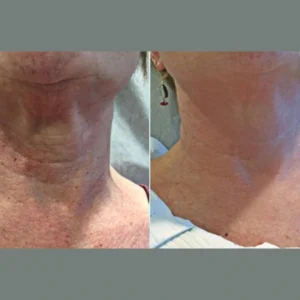
Botox is commonly used to treat expression lines in areas such as the forehead, glabellar region between the eyebrows, and outer corners of the eyes. It can also be used to manage jaw tension, lift the brows, and reduce neck bands. Botox is effective in areas where repeated muscle contraction creates wrinkles and lines. Its precision allows targeted treatment without affecting surrounding muscles, resulting in subtle and natural changes.
Areas Treated by Dermal Fillers
Dermal fillers are versatile in restoring volume and smoothing wrinkles across the face. They are frequently used in the cheeks to restore a youthful lift, in the lips to create fullness and shape, and around the mouth to smooth nasolabial folds and marionette lines. Fillers can also be used to correct under-eye hollows, enhance the chin, and provide subtle jawline contouring. These treatments are designed to physically plump and support the skin, rather than modifying muscle activity.
Duration of Effects
Botox and dermal fillers differ in how long their effects last. Botox generally provides results that last several months, after which muscle activity gradually returns, and lines may reappear. Dermal fillers typically last longer, depending on the type of filler and area treated. Fillers can maintain volume for six months to over a year, and some types provide longer-lasting structural support to the face.
The maintenance schedule for both treatments differs, and the choice of treatment may depend on whether temporary, subtle improvements or longer-lasting volume restoration is desired.
Onset of Results
The timeline for visible results also differs between Botox and fillers. Botox results develop gradually. Muscle relaxation usually begins within a few days, and full smoothing of expression lines becomes noticeable within one to two weeks. Dermal fillers, on the other hand, provide immediate improvement because they physically fill in areas of volume loss. Minor settling may occur over a few days, but the volumizing effect is instant compared to the gradual relaxation achieved by Botox.
Facial Movement and Natural Look
One of the most important considerations when choosing between Botox and fillers is how each affects facial movement. Botox reduces the activity of targeted muscles, which softens wrinkles caused by expressions, but preserves overall facial expressions when applied correctly. Fillers do not interfere with muscle movement. Instead, they improve appearance through volume restoration and contour enhancement.
For individuals concerned about maintaining natural expressions while achieving a more youthful look, understanding these differences is essential. Combining Botox and fillers can provide a comprehensive solution: Botox smooths dynamic wrinkles, while fillers restore volume and shape.
Complementary Use of Botox and Fillers
Many individuals benefit from a combination of Botox and dermal fillers. Using Botox and fillers together addresses multiple aspects of facial aging. Botox relaxes expression lines, preventing further deepening of wrinkles, while fillers restore lost volume and lift areas of the face that have hollowed over time. The combination allows for a balanced and refreshed appearance without surgery, targeting both movement-related and volume-related concerns.
FAQs About Botox and Dermal Fillers
What is the main difference between Botox and dermal fillers?
Botox relaxes muscles to reduce expression lines, while fillers restore volume and smooth static wrinkles.
Can Botox and fillers be used at the same time?
Yes. They complement each other, with Botox targeting dynamic wrinkles and fillers restoring volume in other areas.
Which lasts longer, Botox or fillers?
Fillers usually last longer, from six months to over a year, while Botox lasts around three to six months.
Do Botox and fillers affect facial expressions?
Botox reduces muscle activity in treated areas but preserves natural expressions, and fillers do not affect movement.
Which is better for crow’s feet?
Botox is generally preferred for crow’s feet because it targets the muscle activity that causes these lines.
Are fillers only for older individuals?
Fillers are often used to restore volume lost due to aging but can also enhance features like lips or cheeks in younger adults.
How quickly do results appear?
Botox results develop gradually over a few days to two weeks, while fillers provide immediate improvement.
Botox and dermal fillers are both effective tools for non-surgical facial rejuvenation, but they address different aspects of aging. Botox relaxes muscles to reduce dynamic wrinkles, while fillers restore volume and smooth static lines. Understanding these differences allows individuals to choose the most appropriate treatment for their facial concerns. When combined, Botox and fillers can provide a comprehensive, natural-looking, and refreshed appearance, targeting both movement-related and volume-related aging changes.