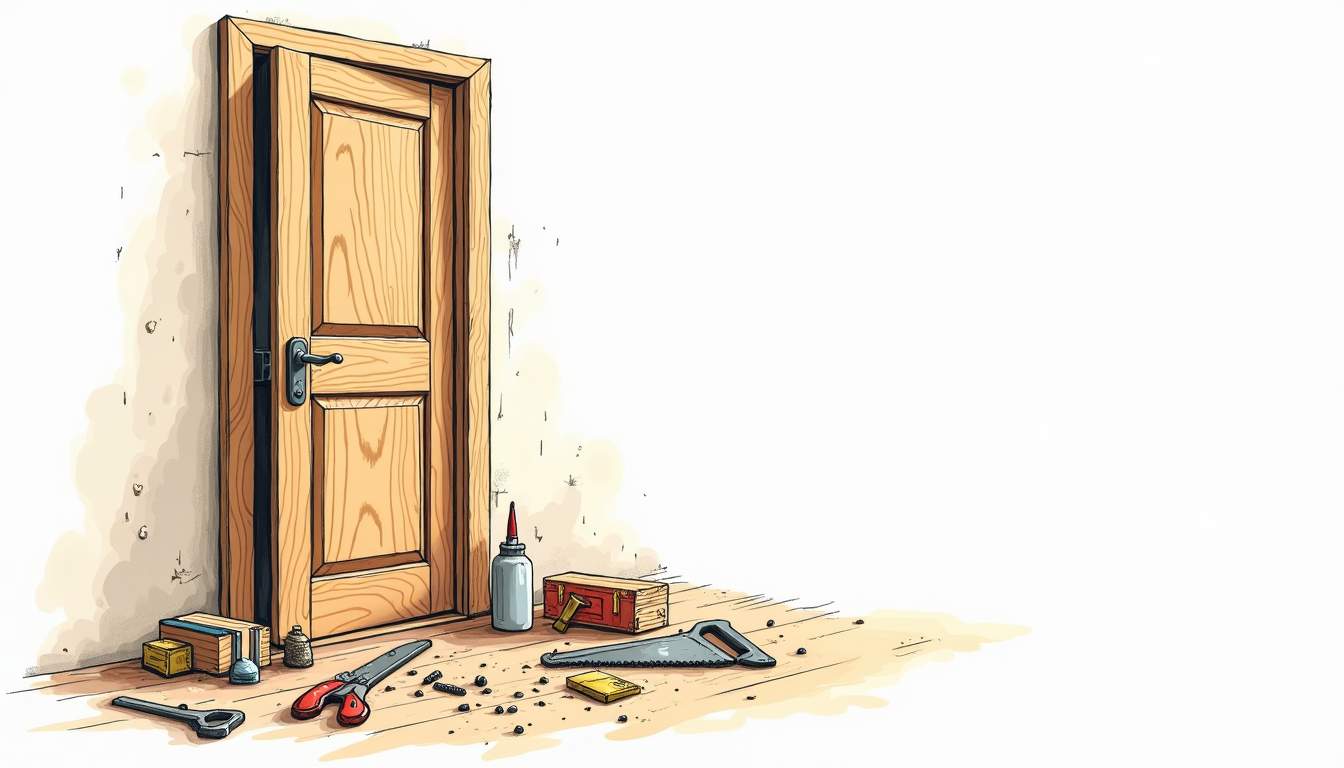
Few things are as frustrating as a door that won’t close properly or a cabinet handle that’s loose or broken. These small annoyances can disrupt the flow of your daily routine and make your home feel less put together. Fortunately, many hinge and handle issues are straightforward to fix with a bit of know-how and some basic tools.
Diagnosing Common Hinge Problems
Before diving into repairs, it’s important to understand what’s causing the problem. Hinges can fail or become problematic for several reasons: loose screws, worn-out pins, misalignment, or even damage to the door or frame itself.
Loose or Missing Screws
One of the simplest issues is loose screws. Over time, the screws holding hinges in place can work themselves loose, causing the door to sag or not close correctly. Sometimes screws fall out entirely, leaving the hinge barely attached.
Check all the screws on both the door and the frame sides of the hinge. Tighten any that are loose with a screwdriver. If screws spin without tightening, the hole may be stripped, which requires a different approach.
Stripped Screw Holes
Stripped holes are a common culprit when screws won’t stay tight. This happens when the wood fibers inside the hole are worn away, preventing the screw from gripping properly. The door may sag or the hinge may shift, causing alignment issues.
To fix stripped holes, you can fill them with wood filler or toothpicks coated in wood glue, then reinsert the screw once dry. Another option is to use longer or thicker screws to reach solid wood beneath the damaged area.
Worn or Rusted Hinges
Hinges endure a lot of wear and tear. Rust or corrosion can cause hinges to stick or squeak, while worn pins can lead to loose or misaligned doors. If the hinge looks rusty or the door doesn’t swing smoothly, it might be time to replace the hinge entirely. For professional assistance, visit Handyman Services Singapore to ensure the job is done correctly.
Regular maintenance can significantly extend the life of your hinges. Applying a lubricant, such as WD-40 or silicone spray, can help prevent rust and ensure smooth operation. Additionally, inspecting hinges for signs of wear or damage periodically can catch problems before they escalate, saving you time and effort in the long run. If you notice any unusual noises when opening or closing the door, it’s a good idea to investigate further, as this could indicate that the hinge is under stress and may need immediate attention.
Misalignment Issues
Another common problem is misalignment, which can occur due to various factors, including improper installation or the settling of the house over time. A misaligned door may not close properly or may rub against the frame, leading to further damage. This issue can often be identified by visual inspection; if the gap between the door and the frame is uneven, it’s likely that the hinges are misaligned.
To correct misalignment, you may need to adjust the position of the hinge by loosening the screws slightly and repositioning the door. In some cases, adding shims behind the hinge can help realign the door without the need for extensive repairs. It’s essential to ensure that the door swings freely after making adjustments, as a properly aligned door not only enhances functionality but also improves the overall aesthetic of your space.
Step-by-Step Guide to Fixing Hinges
Fixing hinges doesn’t have to be complicated. Here’s a straightforward approach to get your door working like new again.
Tools You’ll Need
- Screwdriver (usually Phillips or flathead)
- Wood filler or toothpicks and wood glue
- Replacement screws (longer or thicker if needed)
- Replacement hinges (if necessary)
- Hammer and punch (for hinge pins)
- Lubricant (like WD-40 or silicone spray)
Fixing Loose Screws and Stripped Holes
Start by removing the screws from the problematic hinge. If the holes are stripped, fill them with wood filler or insert several toothpicks coated in wood glue into the hole. Let the filler or glue dry completely—usually a few hours or overnight.
Once dry, trim any excess toothpicks flush with the surface. Reinsert the screws and tighten firmly. If the screws still don’t hold, try using longer or thicker screws to secure the hinge better. Additionally, consider reinforcing the area around the hinge with a small piece of wood or a wooden dowel for added strength, especially if the door is heavy or frequently used.
Replacing a Worn-Out Hinge
If the hinge is rusted or damaged beyond repair, it’s best to replace it. Remove the old hinge by taking out all screws from both the door and frame sides. Carefully align the new hinge in the same position and mark screw holes if they don’t line up perfectly.
Pre-drill holes if necessary to avoid splitting the wood, then screw the new hinge into place. Test the door’s movement, making sure it swings smoothly and closes properly. It’s also a good idea to inspect the door frame for any signs of wear or damage that might affect the hinge’s performance. If the frame is compromised, you may need to make additional repairs to ensure the new hinge functions optimally.
Lubricating Hinges for Smooth Operation
Sometimes hinges just need a little lubrication. Spray a lubricant like WD-40 or silicone spray directly onto the hinge pins and joints. Open and close the door several times to work the lubricant in. This can eliminate squeaks and make the door easier to move. Regular maintenance is key; consider applying lubricant every few months, especially in areas with fluctuating temperatures or high humidity, as these conditions can cause hinges to rust or seize up over time.
For a more thorough cleaning, remove the hinges entirely and soak them in a solution of warm soapy water to remove any built-up grime. After cleaning, dry them thoroughly before reapplying lubricant. This not only prolongs the life of the hinges but also ensures that your door operates quietly and smoothly, enhancing the overall functionality and aesthetic of your space.
Handle Repairs and Replacements
Handles are another common source of frustration. Whether it’s a loose kitchen cabinet handle or a broken door knob, fixing handles is usually quick and easy. The satisfaction of restoring functionality to these everyday items can significantly enhance your overall experience in your home, making it feel more polished and well-maintained.
Identifying the Problem
Loose handles often result from stripped screws or worn mounting holes, similar to hinges. Broken handles may have snapped off or have internal mechanisms that no longer function. It’s essential to inspect the handle closely; sometimes, the issue may not be immediately visible. For instance, a handle might appear intact but could have internal damage that prevents it from operating smoothly, leading to frustration when trying to open a cabinet or door.
Tightening Loose Handles
Start by locating the screws holding the handle in place. These are often found on the underside or inside the cabinet door. Tighten them using the appropriate screwdriver. In some cases, you might find that the screws are rusted or corroded, which can complicate the tightening process. If this happens, consider using a penetrating oil to loosen the rust before attempting to tighten or remove the screws.
If screws spin without tightening, the mounting hole may be stripped. Use the same toothpick and wood glue method described for hinge repairs to fill the hole, then reinsert the screw once dry. Alternatively, you can use a larger screw or a screw anchor to provide a more secure fit if the damage is extensive.
Replacing Broken Handles
If the handle is broken, remove it by unscrewing the mounting screws. When purchasing a replacement, bring the old handle with you to ensure you get the right size and style. Additionally, consider the material of the new handle; options range from durable metals to stylish ceramics, each bringing a unique aesthetic to your space.
Install the new handle by aligning it with the screw holes and tightening the screws securely. Test the handle to make sure it feels solid and functions properly. If you’re replacing multiple handles, it can be helpful to lay them out in a pattern to visualize how they will look once installed, ensuring a cohesive design throughout your home.
Upgrading Handles for Style and Function
Handles aren’t just functional—they’re a chance to add style to your cabinets or doors. Consider upgrading to modern pulls or knobs that complement your décor. Installation is similar to replacements, but you may need to drill new holes if the new handles don’t match the old ones. This can be an excellent opportunity to refresh the look of your space without a complete renovation.
When selecting new handles, think about the overall theme of your home. Sleek, minimalist handles can enhance a contemporary kitchen, while ornate, vintage-style knobs may be perfect for a more traditional setting. Additionally, consider the finish—brushed nickel, matte black, or polished brass can all dramatically change the feel of a room. Don’t forget to take into account the ergonomics of the handles; they should not only look good but also feel comfortable to use, ensuring that your home remains both stylish and functional.
Preventing Future Hinge and Handle Issues
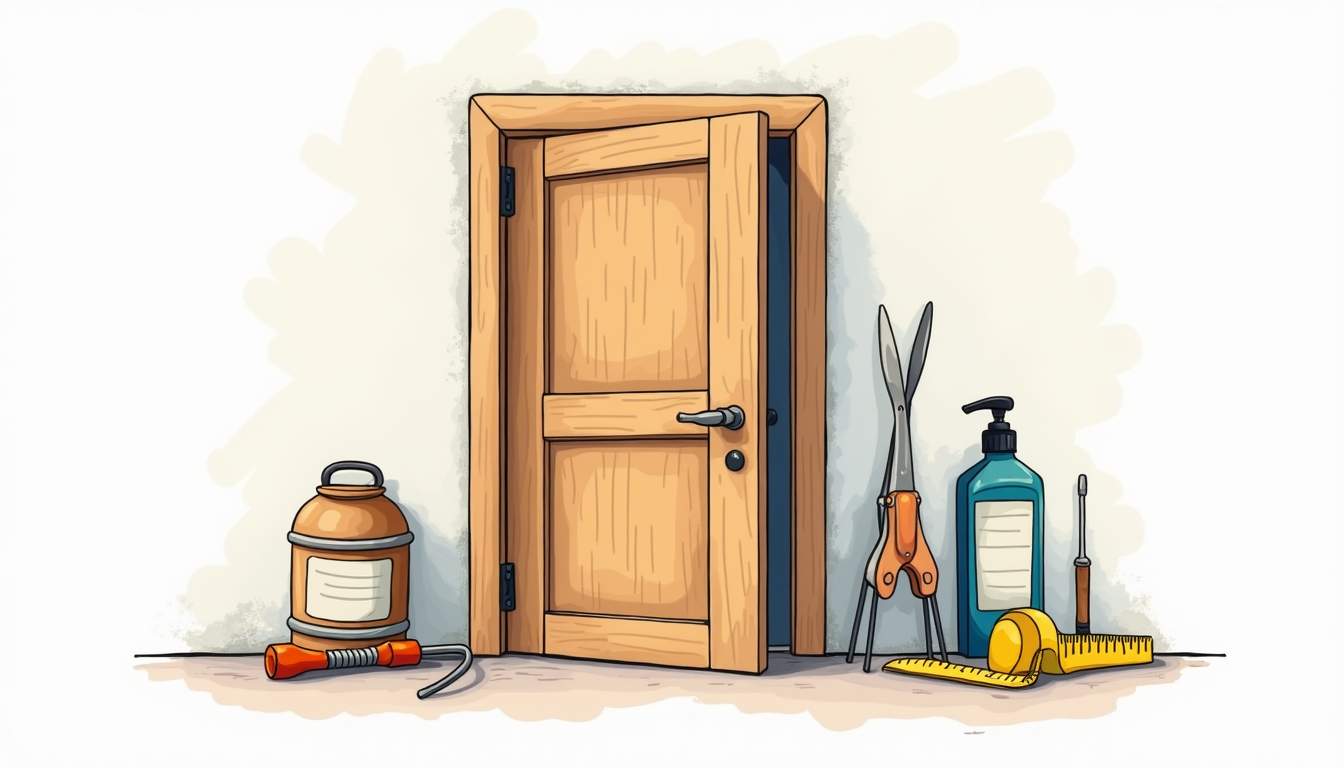
Once your hinges and handles are fixed, a little maintenance can keep them working smoothly for years.
Regular Tightening
Check screws on hinges and handles every few months. Tighten any that have loosened before they cause bigger problems.
Lubrication Routine
Lubricate hinges annually to prevent squeaks and wear. Avoid using heavy grease, which can attract dust and grime; light silicone sprays work best.
Gentle Use
Avoid slamming doors or yanking handles roughly. Gentle use reduces stress on hardware and prolongs its life.
When to Call a Professional
Some hinge and handle issues are straightforward, but others might require professional help. If the door frame is damaged, the door is warped, or you’re dealing with antique or specialty hardware, a carpenter or handyman can provide expert repairs.
Also, if you’ve tried basic fixes and the problem persists, a professional can diagnose hidden issues and ensure the repair is done safely and correctly.
Conclusion
Hinge and handle problems don’t have to be a headache. With a little patience and the right approach, many fixes can be done quickly and affordably at home. Tighten screws, fill stripped holes, replace worn parts, and keep everything lubricated. These simple steps will keep your doors and cabinets working smoothly and looking great.
Next time a door sticks or a handle wobbles, you’ll know exactly what to do.