Imagine biting into your favorite crunchy apple without a second thought. For many people with missing teeth, this simple pleasure can feel out of reach. Dental implants have changed that, offering a reliable, natural-feeling solution that restores not just your smile but your confidence and oral health.
What Are Dental Implants?
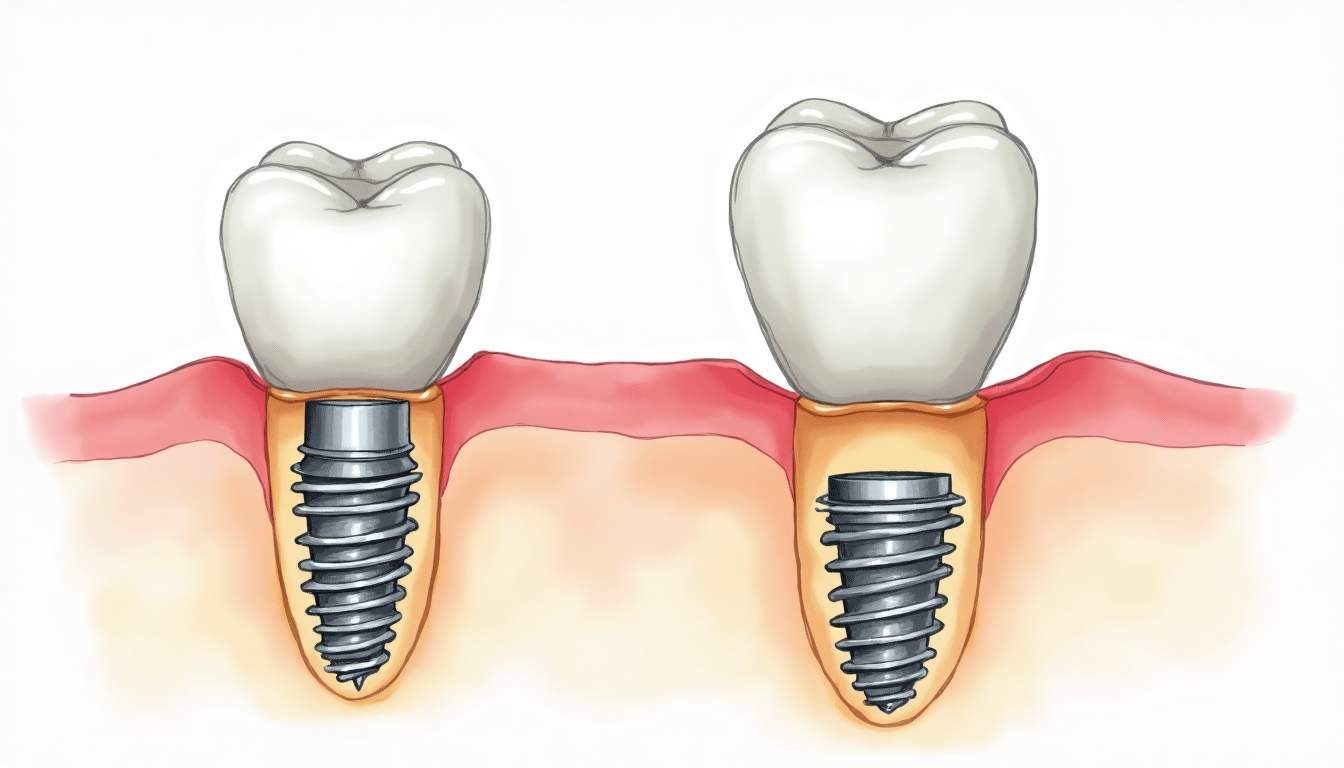
Dental implants are titanium posts surgically placed into the jawbone beneath your gums. Once in place, they act as sturdy anchors for replacement teeth, such as crowns, bridges, or dentures. Unlike traditional dentures that rest on the gums or bridges that rely on adjacent teeth, implants fuse directly with the bone through a process called osseointegration, creating a strong foundation.
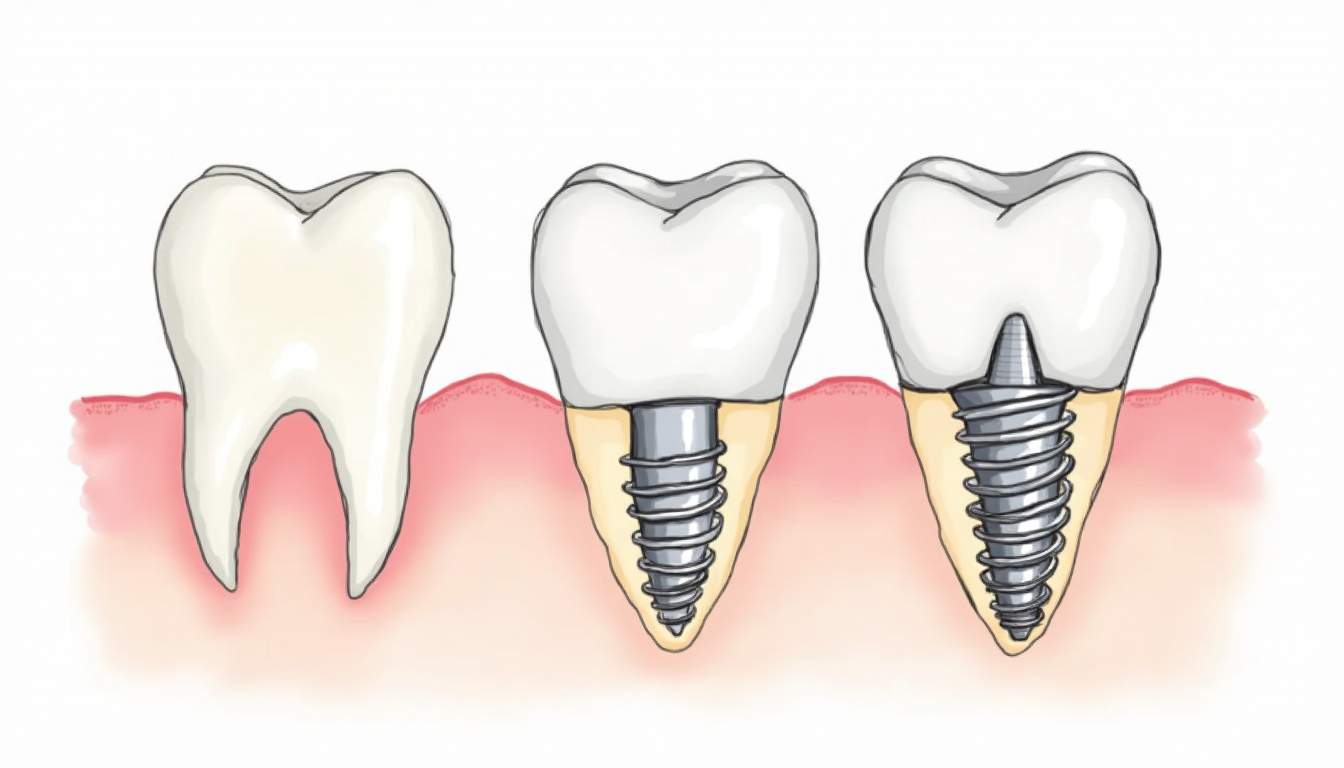
This integration with the bone is what sets implants apart. It prevents bone loss, maintains facial structure, and provides a chewing function similar to natural teeth. Because implants become part of your jaw, they feel more secure and comfortable than other tooth replacement options.
The procedure for placing dental implants typically involves several steps, beginning with a thorough examination and imaging to assess the jawbone’s condition. If the bone is insufficient, a bone graft may be necessary to create a stable base for the implant. After the implant is placed, a healing period of several months allows the bone to grow around the implant, ensuring it is securely anchored. Once healed, an abutment is attached to the implant, which will hold the final restoration, whether it be a crown, bridge, or denture. To learn more about whether you are a suitable candidate, visit Parramatta Green Dental website for a professional consultation.
Furthermore, dental implants offer significant advantages in terms of longevity and durability. With proper care, including regular dental check-ups and good oral hygiene, implants can last a lifetime. This makes them a cost-effective solution in the long run, as they eliminate the need for frequent replacements associated with other dental prosthetics. Additionally, many patients report improved confidence and quality of life after receiving implants, as they restore not only functionality but also the aesthetics of a natural smile.
Who Is a Good Candidate for Dental Implants?
Assessing Oral and Overall Health
Not everyone is an immediate candidate for dental implants. Good oral health is essential. Healthy gums and sufficient bone density are necessary to support the implant. If gum disease or bone loss is present, these issues must be treated first. A thorough evaluation by a dental professional can help determine the state of your oral health and whether any preliminary treatments are needed. For instance, procedures such as bone grafting may be recommended to augment the jawbone, ensuring a solid foundation for the implant.
General health also plays a role. Conditions like uncontrolled diabetes, certain autoimmune diseases, or habits such as heavy smoking can affect healing and implant success. However, many patients with these conditions can still receive implants after proper evaluation and management. In fact, a multidisciplinary approach involving your dentist, physician, and possibly other specialists can create a tailored plan that addresses your specific health concerns while optimizing the chances of a successful implant procedure.
Age Considerations
There’s no upper age limit for implants, but younger patients typically need to wait until jaw growth is complete. For adults, age alone is rarely a barrier. Many seniors enjoy the benefits of implants, regaining function and aesthetics that improve quality of life. In addition to restoring the ability to chew and speak effectively, dental implants can also prevent further bone loss in the jaw, which is a common issue following tooth loss. This preservation of bone structure can help maintain facial contours, contributing to a more youthful appearance.
Moreover, the advancements in dental technology and techniques have made implants more accessible and safer for older adults than ever before. Many dental practices now offer sedation options to ensure comfort during the procedure, which can be particularly beneficial for those who may have anxiety or other health concerns. With proper care and maintenance, dental implants can last a lifetime, making them a worthwhile investment in both health and self-esteem for patients of all ages.
The Dental Implant Procedure Explained
Initial Consultation and Planning
The journey begins with a thorough dental examination. This includes X-rays, 3D imaging, and sometimes models of your teeth and jaw. The dentist or oral surgeon evaluates bone quality, identifies the best implant placement, and discusses your goals and expectations.
Planning is crucial. It ensures the implant will be positioned optimally for both function and appearance. Digital technology has made this process more precise, reducing surprises during surgery. Additionally, the dentist may discuss potential alternatives to implants, such as bridges or dentures, depending on your specific dental needs. This comprehensive approach helps ensure that you are fully informed and comfortable with your treatment options, setting the stage for a successful outcome.
Surgical Placement of the Implant
The implant procedure is typically done under local anesthesia, sometimes with sedation for comfort. The surgeon makes a small incision in the gum to expose the bone, then drills a hole to insert the titanium post. After placement, the gum is stitched closed over or around the implant.
Healing begins immediately. Over the next few months, the bone grows around the implant, securing it firmly. This healing phase, called osseointegration, usually takes three to six months. During this time, patients are often advised to follow a soft food diet to avoid putting undue pressure on the implant site. Regular follow-up appointments are essential to monitor the healing process and ensure that everything is progressing as expected. This proactive approach helps to address any concerns early on, contributing to a smoother recovery.
Attaching the Abutment and Crown
Once the implant is stable, a small connector called an abutment is attached. This piece protrudes above the gum line and serves as the base for the artificial tooth. Impressions are taken to create a custom crown that matches your natural teeth in shape and color.
The crown is then secured to the abutment, completing the restoration. The result looks and functions like a natural tooth, allowing you to eat, speak, and smile confidently. Patients often express relief and satisfaction at this stage, as the transformation can significantly enhance their quality of life. Moreover, dental implants can help preserve the jawbone structure, preventing the bone loss that typically occurs after tooth loss. This long-term benefit underscores the importance of choosing dental implants not just for their immediate aesthetic appeal, but for their role in maintaining overall oral health.
Benefits of Dental Implants Over Other Tooth Replacement Options
Longevity and Durability
Dental implants are designed to last decades, often a lifetime, with proper care. Unlike bridges that may need replacement every 10 to 15 years or dentures that can wear down, implants offer a permanent solution.
Preservation of Jawbone and Facial Structure
When a tooth is lost, the jawbone beneath it starts to deteriorate due to lack of stimulation. Implants mimic natural tooth roots, stimulating the bone and preventing shrinkage. This helps maintain your facial contours and prevents the sunken appearance often associated with missing teeth.
Improved Comfort and Function
Implants eliminate the slipping and discomfort common with dentures. They allow you to chew food more efficiently and speak without worry. Because they feel like your own teeth, many patients forget they even have implants.
No Impact on Adjacent Teeth
Bridges require grinding down neighboring healthy teeth to anchor the replacement tooth. Implants stand alone, preserving the integrity of your natural teeth.
Potential Risks and How to Minimize Them
Infection and Healing Complications
As with any surgery, infection is a risk. Following your dentist’s post-operative instructions carefully reduces this chance. Maintaining excellent oral hygiene is essential during healing.
Implant Failure
Though rare, implants can fail if they don’t properly fuse with the bone. Factors like smoking, poor bone quality, or uncontrolled health conditions increase this risk. Choosing an experienced implant specialist and adhering to recommendations improves success rates.
Nerve and Sinus Issues
Improper implant placement can sometimes affect nearby nerves or sinuses, causing numbness or discomfort. Advanced imaging and surgical planning help avoid these complications.
Caring for Your Dental Implants
Dental implants require the same care as natural teeth. Brushing twice daily, flossing, and regular dental check-ups keep your implants and surrounding tissues healthy. Special tools like interdental brushes or water flossers can help clean around the implant effectively.
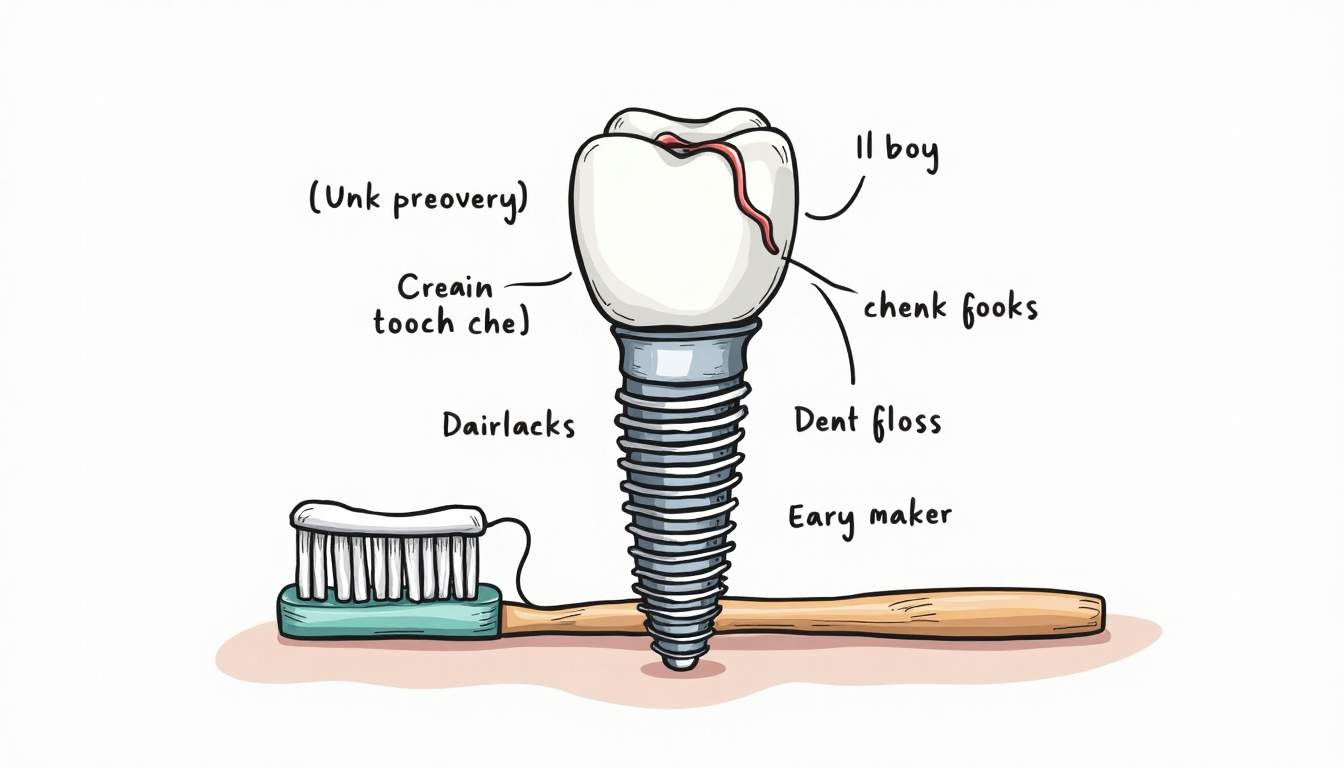
Avoiding tobacco and limiting excessive alcohol consumption also support long-term implant health. Your dentist may recommend periodic professional cleanings to remove any buildup that could cause gum inflammation.
Cost Considerations and Insurance Coverage
Dental implants can be more expensive upfront than other tooth replacement options. The cost includes surgical placement, abutments, crowns, and sometimes bone grafting. However, their longevity and benefits often make them a cost-effective investment over time.
Insurance coverage varies. Some plans cover part of the implant procedure, while others consider it cosmetic and exclude it. It’s important to discuss financing options and payment plans with your dental provider.
Alternatives to Dental Implants
Bridges
Bridges replace one or more missing teeth by anchoring to adjacent teeth. They restore function and appearance but require altering healthy teeth and don’t prevent bone loss.
Dentures
Dentures are removable appliances that replace multiple teeth. They are less expensive but can be uncomfortable and less stable. Over time, dentures may need adjustment due to changes in jawbone shape.
Resin-Bonded Bridges
Also called Maryland bridges, these use metal or porcelain wings bonded to adjacent teeth. They are less invasive but generally less durable and suitable for front teeth replacements.
Real-Life Impact: What Patients Experience
Many patients describe dental implants as life-changing. Beyond restoring the ability to eat and speak normally, implants often improve self-esteem and social confidence. Smiling without hesitation, enjoying favorite foods, and feeling comfortable in photos are common outcomes.
Some patients initially worry about the surgery or cost but find the process manageable and worth the investment. Advances in technology and anesthesia have made implant procedures more accessible and less intimidating.
Final Thoughts
Dental implants offer a powerful solution for missing teeth replacement, combining durability, comfort, and natural aesthetics. With proper planning, skilled care, and good oral hygiene, implants can restore not only your smile but your quality of life.

If missing teeth are affecting your daily routine or confidence, consult with a dental professional to explore whether implants are the right choice for you. The ability to enjoy food, speak clearly, and smile freely is within reach.