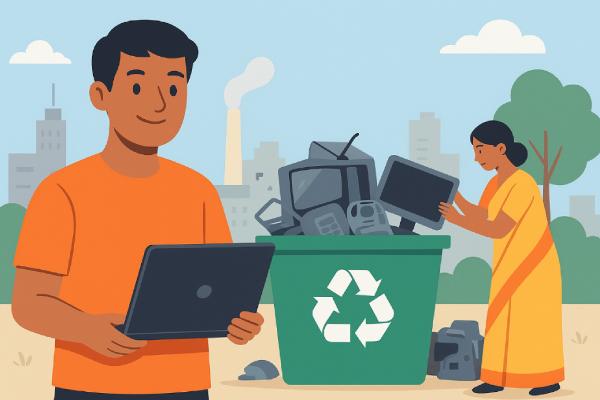
Ewaste management in India has become a major topic as the country continues to grow in technology use. Every year, people buy new phones, laptops, appliances, and digital devices. At the same time, a large amount of old and broken electronics end up in homes, repair shops, or landfills. This rise in electronic waste has pushed the need for clear and practical solutions that help both people and the environment.
What Is Ewaste and Why It Is a Big Deal
Ewaste includes old phones, computers, printers, TVs, and other electronic items that are no longer in use. These items contain materials like plastic, glass, metals, and sometimes harmful chemicals. When ewaste is dumped without proper care, these chemicals can leak into soil and water. This affects the environment and can also create health issues for people living near dumping areas.
India is now one of the largest producers of ewaste in the world. With fast urban growth, more internet use, and easy access to new devices, the amount of ewaste increases every year. This makes ewaste management in India more important than ever.
Current Scenario of Ewaste Management in India
India has a mix of formal and informal ewaste sectors. The formal sector includes registered recycling companies that use safe methods to collect, sort, and recycle ewaste. They follow rules set by the government and work to recover useful materials like copper, aluminum, and gold from old electronics.
The informal sector includes small scrap shops and workers who pick and dismantle ewaste by hand. They recover materials using unsafe methods, which can harm their health. Despite this, the informal sector handles a large portion of ewaste in India because it has been around for many years and is spread across almost every city.
To improve ewaste management, India introduced the E-Waste Management Rules. These rules guide how manufacturers, consumers, and recyclers should handle electronic waste. Companies that produce electronic items must take responsibility for collecting discarded items and sending them to recycling units. This system is known as Extended Producer Responsibility (EPR).
Challenges in Ewaste Management
Even with rules in place, India faces several challenges in managing ewaste:
- Low Awareness
Many people do not know how to dispose of electronic items properly. Old gadgets often end up stored at home or sold to local scrap dealers who may not follow safe recycling methods.
- Limited Collection Centers
There are not enough ewaste collection points in many cities and towns. This makes it hard for people to hand over old devices for safe recycling.
- Strong Informal Sector
The informal sector is widespread and offers quick cash, so people choose it instead of formal recyclers. This makes it harder for the formal system to grow.
- Lack of Proper Segregation
Ewaste often gets mixed with regular household waste. This leads to unsafe handling and makes recycling more difficult.
Steps India Is Taking to Improve Ewaste Management
Many positive changes are happening across India:
- More Government Rules
The government continues to update ewaste management rules to ensure safer handling, better tracking, and stronger compliance from manufacturers and recyclers.
- Growth of Recycling Companies
New recycling facilities are opening in different states. These companies use systematic methods to recover materials and reduce pollution.
- Awareness Campaigns
Schools, NGOs, and government departments run awareness drives about ewaste disposal. They teach people how simple actions—like dropping old gadgets at authorized centers—help the environment.
- Digital Take-Back Programs
Many electronic brands now offer doorstep pickup for old devices. This makes it easier for customers to recycle without hassle.
How You Can Contribute
Ewaste management in India improves only when everyone takes part. Here are some practical steps:
- Do not throw electronics in dustbins.
- Check for government-approved collection centers in your city.
- Ask brands about take-back options when buying new devices.
- Donate working devices instead of letting them sit unused.
- Spread the message so more people follow safe disposal methods.
Conclusion
Ewaste management in India is not just a government responsibility. It is a shared effort between citizens, companies, and recycling units. As technology grows, the amount of ewaste will also rise. But with proper awareness, better rules, and active participation, India can handle ewaste in a safer and more sustainable way. By taking small steps today, we help protect the environment and build a cleaner future for everyone.