Managing harmful substances requires far more than simple cleanup. Across residential, commercial, and industrial settings, the need for hazardous materials removal has become increasingly important as buildings age, regulations strengthen, and public awareness of safety grows. From asbestos and mould to chemical spills and biohazards, contaminants pose serious health and environmental risks if not handled correctly. This blog explores the essential aspects of the process, giving readers a comprehensive understanding of why professional solutions matter and what property owners should expect.
Understanding What qualifies as Hazardous Materials
Hazardous materials include any substance that poses risks to human health, property, or the environment. These often include:
- Asbestos found in older insulation, ceilings, or flooring
- Lead-based paint present in pre-1980 structures
- Mould contamination due to moisture or water damage
- Chemical spills in industrial or commercial settings
- Fuel, oil, or solvent residues
- Biohazard waste, including medical and bodily fluids
Each of these substances requires specialized tools, protective equipment, and strict removal protocols. This is why hazardous materials removal cannot be treated like general cleaning or standard renovation work. The complexities involved make professional intervention not only beneficial but legally required in many cases.
Why Hazardous Materials Must Be Addressed Promptly
Exposure to hazardous substances can result in long-term respiratory issues, neurological problems, allergic reactions, or more serious illnesses. Asbestos fibres, for example, remain airborne for hours and are linked to lung cancer and mesothelioma. Lead dust can impair cognitive development in children, while mould spores can cause chronic breathing issues.
Delaying hazardous materials removal also increases structural damage. Mould spreads quickly, chemicals can corrode surfaces, and contaminants can move deeper into building materials. Addressing the issue early prevents costlier repairs and keeps occupants safe.
Common Signs That Removal Is Needed
Property owners often overlook early warning signs because contaminants are not always visible. Some indicators include:
- Persistent musty odours
- Unusual discoloration on walls or ceilings
- Recurrent condensation or moisture issues
- Sudden health symptoms such as headaches, coughing, or eye irritation
- Crumbling insulation or damaged ceiling tiles
- Dust-like debris around old paint or pipes
A professional inspection helps confirm whether hazardous materials removal is necessary and identifies the full extent of contamination.
The Professional Removal Process: Step-by-Step
Every project begins with a detailed assessment to determine the type and severity of the hazard. The following steps typically make up a proper removal protocol:
1. Site Inspection and Testing
Certified technicians test air, surfaces, and materials to identify contaminants. This assessment guides the removal strategy and ensures compliance with safety regulations.
2. Containment Setup
To prevent the spread of particles or chemicals, specialists seal off the affected area with barriers, airflow controls, and negative air pressure machines.
3. Protective Gear and Equipment
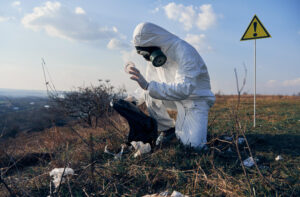
Professionals use respirators, chemical suits, gloves, and industry-grade tools required for safe hazardous materials removal.
4. Safe Extraction and Handling
Contaminated materials are carefully removed, placed in sealed containers, and labelled according to regulations. Strict protocols ensure no cross-contamination occurs.
5. Decontamination and Cleaning
Surfaces are treated with antimicrobial or chemical-neutralizing agents, depending on the hazard type. High-efficiency vacuums and specialized filters ensure complete cleanup.
6. Proper Disposal
Hazardous waste must be transported to approved disposal facilities. Professionals manage documentation and compliance for environmentally safe processing.
7. Final Testing and Clearance
Independent testing confirms the site is safe for re-entry. Only then is the space cleared for renovation or occupancy.
This structured process ensures safety, prevents recontamination, and adheres to local and federal regulations, making professional hazardous materials removal essential.
The Importance of Choosing Certified Specialists
Not all contractors are equipped to manage hazardous substances. Certified removal companies follow government standards and have the advanced tools needed for complex situations. Hiring qualified experts ensures:
- Full legal compliance
- Insurance-covered work
- Documented safety procedures
- Proper disposal of dangerous materials
- Minimized risk for occupants and workers
Given the risks involved, professional hazardous materials removal offers peace of mind and reliable long-term protection.
How Businesses Benefit from Professional Removal Services
For commercial and industrial sites, safety compliance is a legal requirement. Failing to remove hazardous materials correctly can result in fines, workplace injuries, or shutdowns. Businesses benefit from:
- Workplace safety compliance
- Healthier indoor environments for employees
- Reduced liability
- Protection of equipment and assets
- Smooth operations during remediation
Industries such as manufacturing, healthcare, construction, and hospitality rely heavily on routine inspections and safe removal procedures to maintain regulatory compliance.
Creating Safer Homes Through Proper Hazard Removal
Residential properties face unique challenges—especially older homes that may contain asbestos, lead, or mould. Homeowners who invest in professional hazardous materials removal enhance their property value, protect their families, and prevent future structural damage. With rising awareness, more homeowners now opt for preventative inspections to avoid hidden risks.
Final Thoughts
Hazards within a property are not always visible, yet their consequences can be severe. By understanding the importance of expert hazardous materials removal, property owners can make informed decisions that ensure safety, prevent costly damage, and create healthier environments. Whether addressing unwanted chemicals, mould, asbestos, or biohazards, professional removal remains the most reliable and responsible solution.